The CS2 skin market is absolutely cooking. Prices on a lot of items, especially rare and older skins, have been creeping up fast. A big part of that is simple supply and demand. Way more players want clean, worthy skins, and way fewer old cases are dropping. So naturally, the value goes up. Even mid-tier skins are getting more love lately, especially the ones that shine under CS2’s new lighting.
How Does CS2 Market Work
Supply, demand, and interest are the three primary pillars that support the CS2 skin market. Skins are introduced into the ecosystem through operations, cases, drops, and gift packages. Valve doesn’t just dump endless numbers of skins; that’s the only way fresh skins are created. When a case is taken from the current drop pool, the amount of skins that may enter circulation basically stops. In response to this, the value of older cases and ended collections gradually increases over time.
Demand follows since traders are constantly looking to make money, collectors are attracted to unusual patterns and low floats, and gamers want clean skins to play. Demand increases each time a pro player plays a certain skin in a major or a streamer wears a hot skin while streaming. Prices also rise when demand exceeds supply. In this manner, a $5 skin one year becomes a $200 skin two years later.
Since the CS2 market is extremely moving, excitement is the last leg. To become highly valuable, a skin only has to attract attention; it doesn’t need to be statistically rare. Demand might spike overnight due to trendy designs, cool finishes that look amazing with the new engine, or even memes.
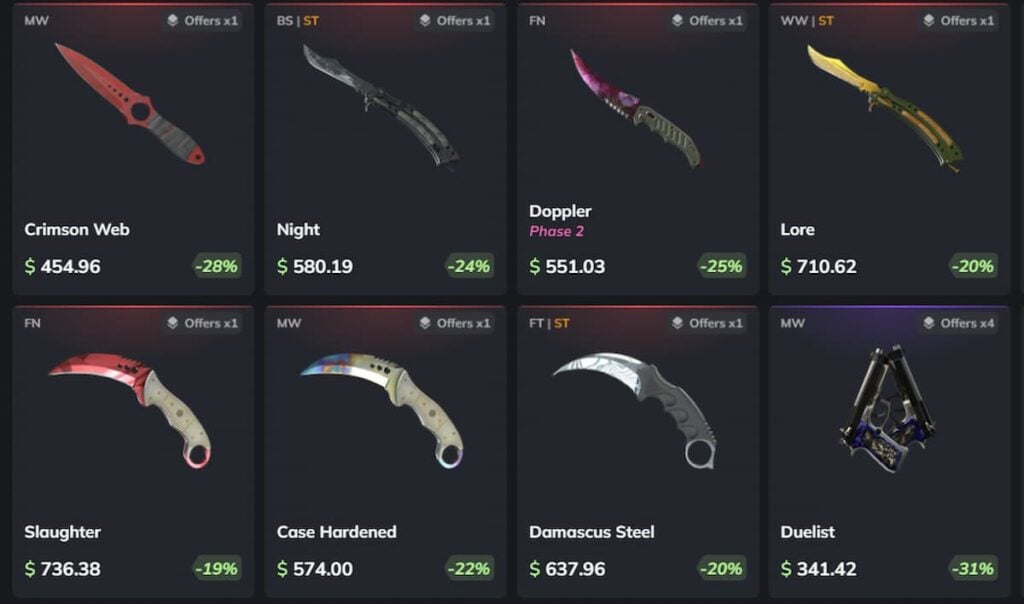
All of this takes place inside a market that is driven by players. Steam’s marketplace is the official platform for most trading, yet it has a 15% fee and no actual cash-out alternatives. Because third-party sites provide cheaper rates, fewer fees, and real withdrawal options, a lot of gamers also benefit from them. The skin economy moves between various locations similarly to a virtual stock market, except that it uses knife and weapon skins in place of shares. If you have a desire to become a real pro in trading, you should learn about CS2 (CS:GO) skin price comparison. Check different sites before buying a skin, a few bucks every time it’s more lost skins, think about it.
What Kicks Off a Trend
One of the most important sparks is pro play. When a top player during a Major drops kills with a certain skin, the whole community notices. Like a fashion week runaway, everyone wants that skin all of a sudden, but with weapon skins instead. This also applies to makers and streams; if a popular streamer applies a clean CS2 skin, it will gain popularity very fast.
Every time Valve releases a new operation, case, or collection, the ecosystem as a whole shifts. Some customers discard outdated skins to get the newest, greatest items, while others keep discontinued products in expectation of price hikes. That marks the start of new waves.
Another significant factor is rarity, since a case’s skins immediately increase in value over time when it is removed from the active drop pool. Less supply results from fewer drops, while demand often remains the same or even increases. The traditional market effect, but with weaponry.
Visual appeal plays a massive role, too, and that’s why CS2’s new lighting engine made a bunch of older skins look way better. Because of this, certain random budget skins are now receiving a lot of attention just because they appear in-game. And finally, there’s community activity like memes, TikToks, and Discord chatter. A single viral clip can send an old, forgotten skin skyrocketing in price.
How To Read And Overcome Trends
Reading CS2 trends is about spotting the sparks early and moving before the herd does. First thing you gotta learn is to watch where the noise starts. If a certain skin keeps popping up in streams, gets spammed on TikTok, or shows up in pro matches — that’s your early signal. Trends always start as whispers before they become storms.
Next up, watch the charts. Sites usually show price history, volume, and how fast items are moving. If a skin’s price is climbing steadily and its listings are thinning out, that’s a real trend forming. If the price is spiking too fast outta nowhere with no reason behind it, that’s probably bait — and it bursts hard.
Also, keep a watch out for valve upgrades and case rotations. The supply begins to gradually decrease when a case is removed from the current drop pool; this is often a reliable long-term indicator.
Most people jump on trends too late, while the early movers are already cashing out. Learn to move when it’s quiet, and sell when it’s loud.
But not every skin that spikes is worth chasing. Consider old cases leaving the drop pool, skins used in Majors, and clean designs that age well because those stick around.
Conclusion
The CS2 market is impacted by timing, rarity, and rush. A pro match, a case drop, or a streamer’s move are examples of little sparks that quickly become trends when the public notices. You can ride the wave rather than chase it if you can understand price movement, recognize those early, and avoid being seduced by marketing.