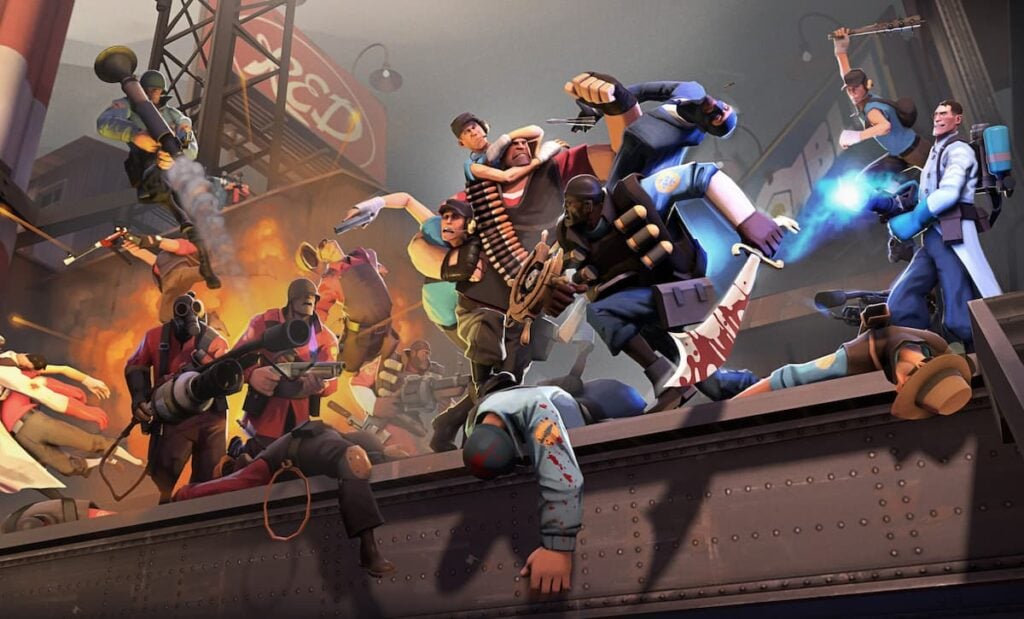
Team Fortress 2 began life as a class-based shooter with a playful tone and a focus on team fights. Over time, it became something more of a long-running experiment in digital economies where hats, weapons, and strange effects gained value far beyond their original role as fun cosmetics. Understanding how this happened sheds light on why TF2 trading still matters and how players navigate a market that is built entirely on virtual items.
From Random Drops to a Complex Trading Scene
When item drops and crates arrived in TF2, they felt like a side feature. Players opened boxes out of curiosity and equipped whatever they found. Gradually, novelty items such as unusual hats and limited-time cosmetics changed the perception of what these drops represented. Some pieces were clearly rarer, some became associated with popular creators or tournament players, and the player base started to notice that certain items appeared on the market only rarely.
Trading moved from casual swaps between friends to dedicated community hubs. Servers and forums emerged that existed almost entirely for negotiation and price discussion. Valve continued to introduce new items and events, which meant the economy never froze in place. Scarcity, nostalgia, and community taste combined into a system where a hat could become a sign of status, not just decoration.
The Social Layer of TF2 Trading
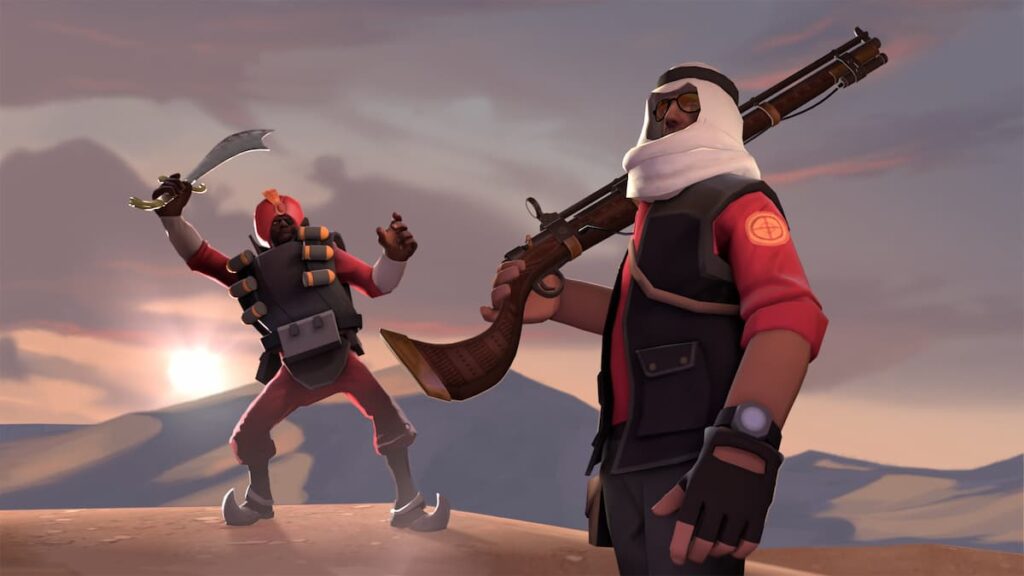
What separates TF2 from many other cosmetic systems is how social the trading culture feels. Deals often begin with small talk in voice chats or text, and traders build reputations over time. Players remember who offered fair prices, who helped explain value to newcomers and who tried to exploit confusion.
This social memory acts as an informal layer of regulation. A trader who misleads others might profit once, but word spreads quickly through Discord groups, trading servers, and community pages. At the same time, long-term traders often invest time in price checks and advice threads, partly to protect their own investments and partly to maintain a healthy trading environment.
Reputation, therefore, becomes another kind of currency. Trust lets traders handle higher-value items with less friction. A strong name can sometimes close a deal faster than a small difference in pure key or metal value.
Tools, pricing, and Long-term Collectors
Over the years, community tools appeared to track prices, sales, and historical trends. Spreadsheets, price indexes, and dedicated sites help players interpret a market that would otherwise be difficult to understand. For high-tier collectors, these tools are essential. They track specific effects and hat combinations, search for clean histories, and monitor whether a particular item is moving into private collections that rarely sell.
External comparison resources, including overviews of TF2 item trading websites, give players a way to see how different platforms handle fees, security, and liquidity. While each site has its own features and focus, the existence of multiple venues encourages competition on user protection and transparency.
Collectors tend to think in long horizons. They care about the story behind an item, which event it came from, and how many similar pieces remain in active circulation. For them, buying a rare hat is closer to acquiring a digital art piece than completing a quick flip.
Risks, Regulation, and Player Responsibility
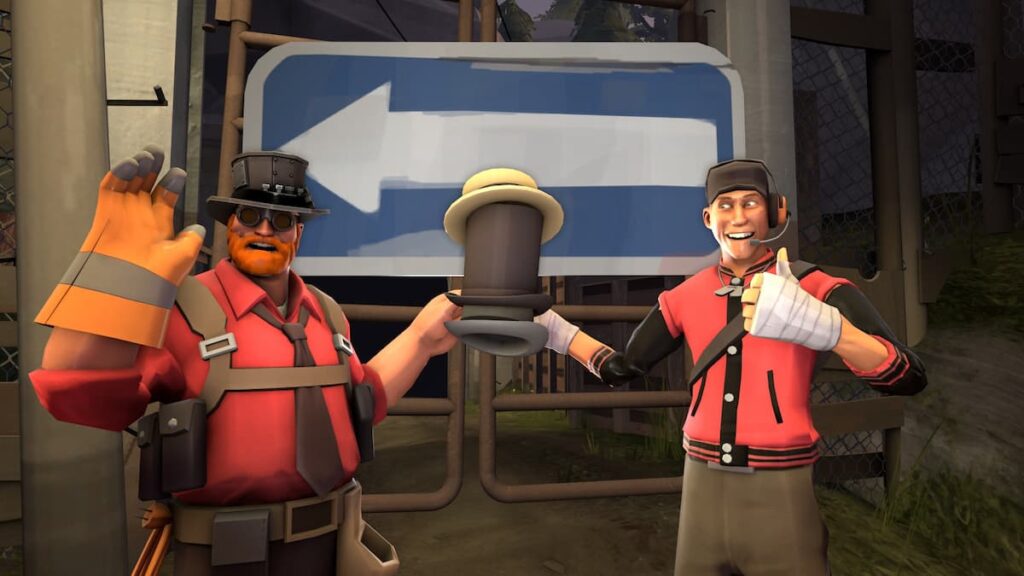
The openness of TF2 trading has always been a strength and a vulnerability. Scams, impersonation attempts, and fake middlemen have appeared alongside legitimate deals. Despite warning messages and security features, some players still lose items because they confirm trade offers too quickly or follow links from unverified sources.
This makes basic security habits essential. Keeping Steam Guard active, checking trade URLs carefully, verifying identities through trusted channels, and never sharing login information are all part of a responsible approach. The line between an enjoyable hobby and a stressful experience often depends on how seriously players treat these precautions.
Regulation also comes in the form of platform rules. Valve can restrict certain behaviours, and trading sites usually apply their own terms to limit fraud and money laundering. Players who stay informed about these rules protect not only themselves but also the stability of the wider economy.
Looking Ahead to a Veteran Item Economy
TF2 has outlived many trends in multiplayer gaming, and its trading scene has done the same. While attention sometimes shifts to newer titles, the depth of this economy keeps a core community active. For some players, trading and collecting have become the main reason to log in at all.
The future of TF2 trading will likely depend on a mix of continued community engagement, solid security practices, and the willingness of platforms to adapt. As long as players see value in hats, unusual effects, and long-established traditions, the game will remain a case study in how virtual items can support a lasting, player-driven market.