
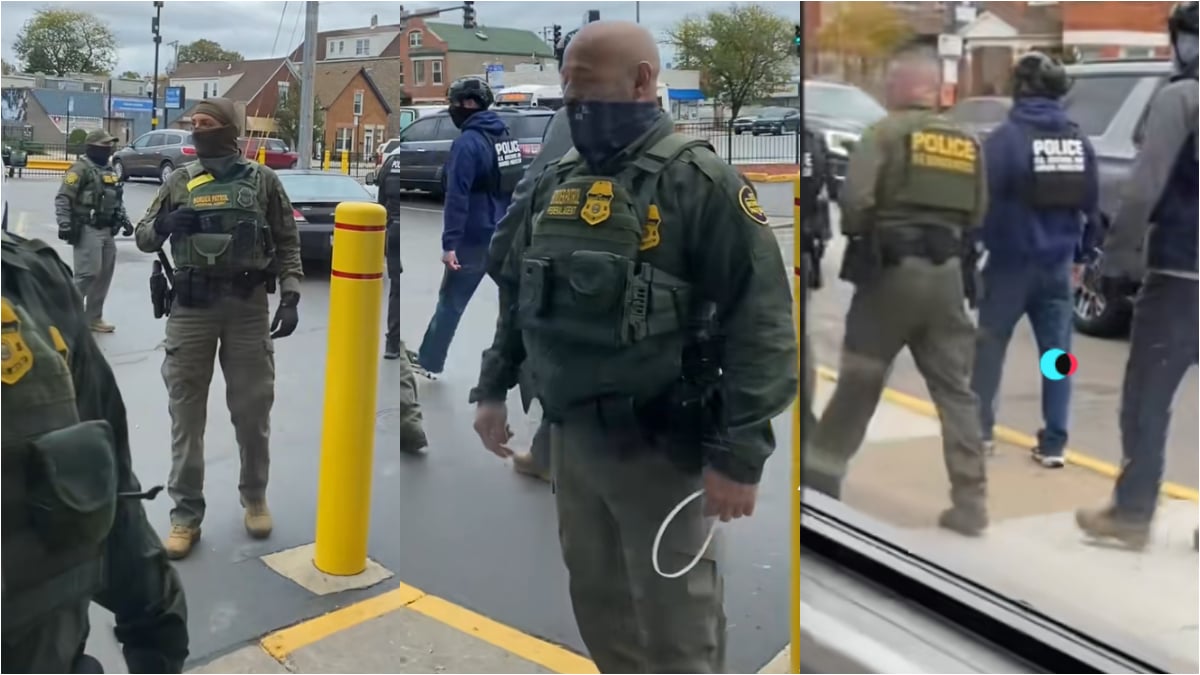
As immigration enforcement continues to cast a long shadow across parts of the country, Minnesota is becoming an epicenter of a very different story; one not of raids or arrests, but of neighbors stepping in where fear has kept people indoors.
In Minneapolis, residents say ICE activity has frightened many families into avoiding grocery stores, workplaces, and even medical appointments. In response, the city’s Community Services Officers, alongside local pastors and faith leaders, have begun delivering food and groceries directly to households too afraid to leave their homes.
One Minnesota resident wrote the following, which captured a sentiment echoed by essentially the entire thread:
“Never been so proud of my home state.”
According to residents following the situation, ICE’s presence has been enough to disrupt daily life. Families are reportedly choosing to stay inside rather than risk an encounter, even for essentials.
“It’s heartbreaking that people are celebrating fear and terror,” one Minnesotan said, reflecting on the broader political backlash playing out alongside the relief efforts.
While officials framed the initiative as a humanitarian response, many residents described it as a necessary stopgap in a climate where trust has eroded.
“Minneapolis will continue to show up for one another with care and love,” supporters said.
The response has not been universally accepted. Some Minnesotans praised the city’s actions as compassionate and humane, while others questioned whether the effort was meaningful or merely symbolic.
“Words are easier than actions,” one resident wrote, arguing that real protection would mean actively intervening when ICE violates the law.
Others expressed outright distrust, warning that any involvement by police, even under the banner of community service, could unintentionally expose vulnerable families.
“At worst, this flags homes for ICE to invade,” one Minnesota commenter warned, reflecting deep-seated skepticism rooted in years of strained relationships between immigrant communities and law enforcement.
What stood out most in the discussion was how sharply divided reactions were not just along political lines, but moral ones. Supporters framed the food deliveries as a basic act of humanity. Critics dismissed them as illegal, misguided, or misplaced compassion.
Still, many Minnesotans pushed back against attempts to reduce the issue to legal technicalities.
“This isn’t performative,” one resident argued. “People are scared, hungry, and isolated. Helping them eat isn’t radical – it’s human.”
Whether the program expands or fades, the moment has already become symbolic. For supporters, it represents Minnesota choosing solidarity over silence. For critics, it highlights what they see as contradictions in local leadership. But on the ground, the reality is much simpler: groceries at the door, neighbors checking in, and families feeling less alone.