
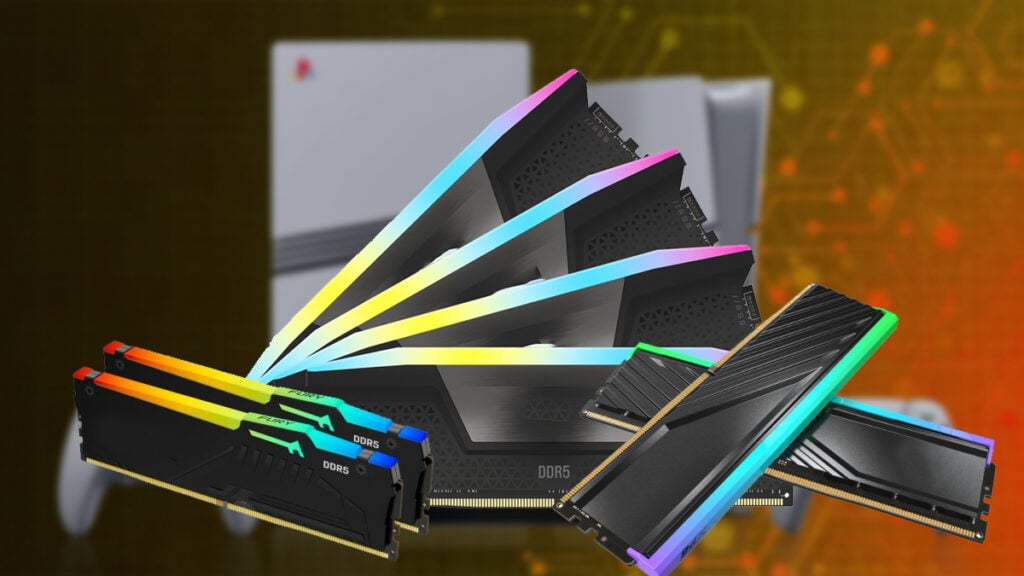
The AI boom might have affected the gaming development and PC hardware, but next-generation consoles could be its next casualties. A report from insider Tom Henderson said that PS6 and the next Xbox could miss their expected 2027-2028 window, driven largely by rising RAM prices and tightening supply.
AI companies are consuming enormous amounts of RAM to power data centers, training models, and enterprise infrastructure. Meanwhile, in turn, memory manufacturers like Micron have responded by prioritizing those customers. Because AI usage generates far higher margins than consumer hardware like PC or console ever could.
That shift has been felt hard this year. Kingston, one of the world’s largest SSD and memory makers, warned that component costs have jumped by 246% since early 2025. That increase affects both RAM and NAND flash storage, two important components for PS6 and next-gen Xbox.
Sure, Sony and Microsoft are no strangers to hardware losses — Phil Spencer admitted Microsoft burns between $100-$200 on every Xbox Series X sold. That strategy works when costs are predictable, and software sales eventually balance the books. But if RAM prices fail to stabilize, console makers must face an ugly choice.

They can delay PS6 and the next Xbox, betting on expanded memory production and lower prices later. Or they can launch on schedule and accept a dramatically higher retail price. We could see the PS6 and a new Xbox priced at $700 or more at launch.
Still, not everyone is particularly concerned about the PS6 and new Xbox delay.
“This delay is a blessing in disguise,” said Creepy-Emu8779 on Reddit. “This console generation has been weak, this extra year or two could be for the better.”
“If there was ever a generation that could use another 2 years than this would be it,” Zhukov-74 chimed in. “With the PS4 and Xbox One generation you could definitely tell that developers were starting to run into barriers but this generation still has plenty of room left.”
“It was always reasonable to assume that this generation will last longer than the previous generations,” said UpsetKoalaBear. They argued that the current console generation was never going to follow the traditional 5-7-year cycle. Pointing to launch hardware that’s equivalent to high-end PCs and long-term future-proofing plans like PSSR upscaling. “This generation was always going to be an extra few years regardless of whether RAM shortages play a role in it or not.”
The pressure isn’t limited to Sony and Microsoft, however. The same memory crunch is even affecting the Steam Machine. Recent reports indicate Valve has no plans to subsidize its console rival. This means the device will likely reflect the full, inflated market cost of its parts, just like standard PC rigs. If AI keeps eating the world’s RAM supply, we might have to play with our PS5 and Xbox Series X a little longer.