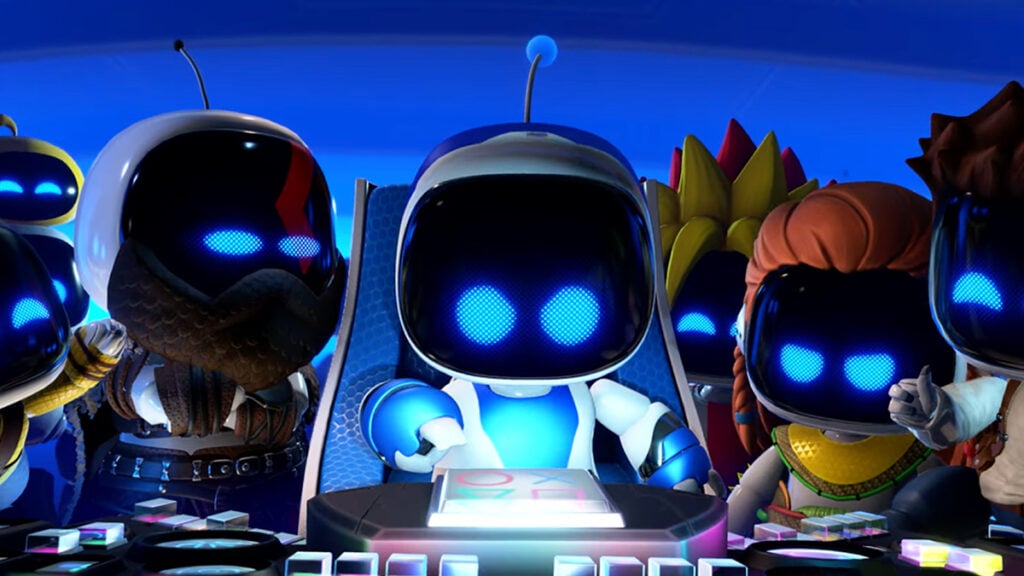
Can’t get past Night Aspect and ever thought about asking ChatGPT to beat those hard-as-nail bosses for you? You might be able to in the near future. A report on gaming patents shows major publishers like Sony and tech companies are aggressively exploring generative AI. Not just as a development tool, but also as a system that could actively change how games are played and tested.
The report comes from an independent analysis by Futureofgaming.com, which tracked hundreds of patent filings across Q4 2025. In total, it found 184 gaming-related patents filed between October and December 2025, with AI and machine learning emerging as the single largest category. Across just three months, 49 Generative AI or Machine Learning-related patents were found from nine different gaming companies, including Sony, EA, Nvidia, and Tencent.
Sony stood out more than any other giants, however, by filing 45 patents in Q4 alone — nearly half of which involved AI or machine learning. Many of those filings focus on systems that assist, or even outright replace, player input.
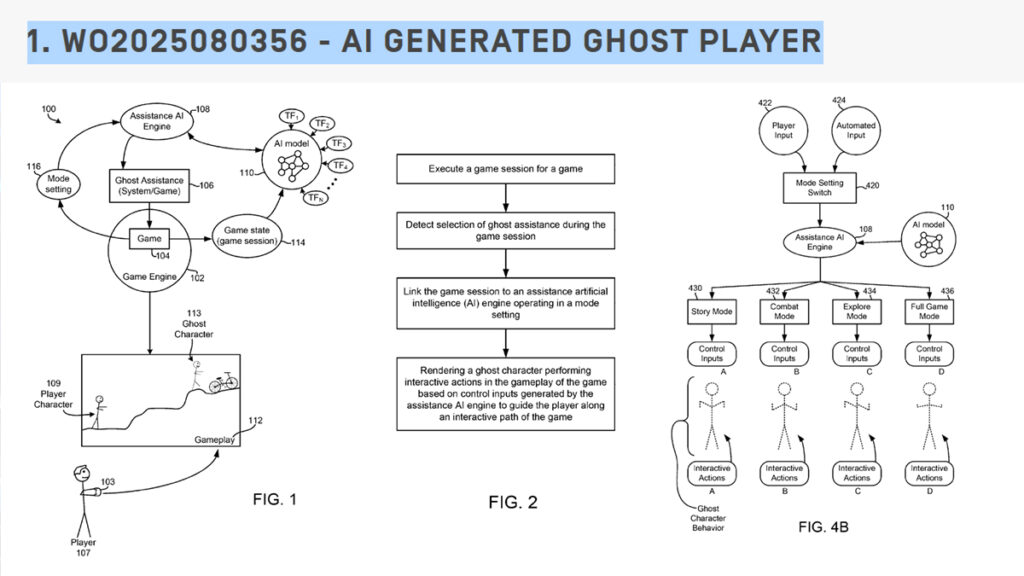
Among them are the AI-Generated Ghost Player or Patent WO2025080356, which is described as being able to take control of gameplay entirely if a player gets stuck. It’s said that the system would draw from ‘historical gameplay data,’ including YouTube clips and PlayStation Network telemetry. Sony also patented Automatic Bespoke Edits of Video Content Using AI, which could be used to censor content based on ‘personal sensitivities’ on the fly.
Electronic Arts, on the other hand, followed a different path. Of the 11 patents EA filed in Q4 2025, most were centered on automated testing and quality assurance. Some of them describe systems that could watch gameplay footage and then simulate thousands or even millions of scenarios. That way, the ‘AI playtesters’ can quickly catch bugs or glitches faster than manual testers ever could.
Nvidia and Tencent also appeared frequently in the gaming AI patent data. Nvidia’s filings focused on AI-assisted graphics, cloud gaming, and streaming, reinforcing its AI-first push even in the gaming realm. Tencent, meanwhile, patented dynamic AI-driven gameplay that can adjust game behavior and difficulty.
Sure, as always, patents never guarantee actual products; many of these filings may end up shelved. Still, with nearly 50 AI-related gaming patents appearing in three months, the machine-learning signal is hard to ignore. 2026 may involve even far more machine-made decision-making than gamers are used to.