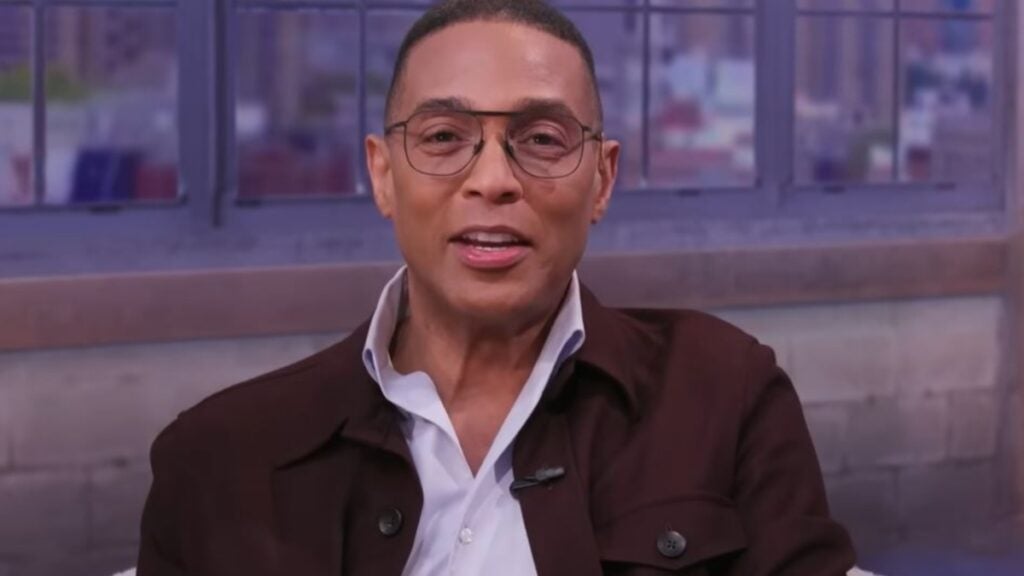
Don Lemon’s role in a controversial Minnesota church protest has escalated into a high-profile legal showdown. Federal agents arrested the former CNN anchor in Los Angeles on Friday, reigniting debate over press freedom, protest boundaries, and whether a filmed confrontation inside a house of worship crossed a line that authorities say could not be ignored.
Federal Agents Move In After Church Protest Fallout
Lemon was taken into custody following a grand jury indictment linked to a January protest at Cities Church in St. Paul. He had joined pro-immigration activists who disrupted a Sunday service, shouting during worship while Lemon recorded the scene for his show.
A source via the Daily Mail said Lemon was handcuffed by FBI and Homeland Security agents and “didn’t look overly happy.” Prosecutors were reportedly wary of the publicity surrounding the case, with one insider calling it “definitely a downside.”
Still, the same source argued action was necessary, saying authorities could not allow people to “disrupt church services” without consequence.
The protest targeted the church because one of its pastors also heads the local ICE field office, a detail that helped spark national outrage. During the incident, Lemon clashed with church leaders, one of whom branded his conduct “shameless.”
Legal Fight Looms Following Don Lemon’s arrest
Lemon’s attorney, Abbe Lowell, insisted the journalist was exercising protected rights, stating, “Don has been a journalist for 30 years, and his constitutionally protected work in Minneapolis was no different than what he has always done.”
Lowell framed the arrest as an attack on press freedom, adding that the First Amendment exists to protect journalists who hold power to account.
Video from the protest shows Lemon pushing back at church leadership, telling a pastor, “There’s a Constitution and a First Amendment, and freedom of speech and freedom to assemble and protest.”
Lowell later criticized federal priorities, saying, “The Trump Justice Department is devoting its time, attention and resources to this arrest, and that is the real indictment of wrongdoing in this case,” before concluding that Lemon “will fight these charges vigorously and thoroughly in court.”
One protest organizer also defended the disruption, declaring the church could not claim moral authority while “harboring someone who is commanding ICE agents to terrorize our communities.”
As the case moves toward court, the fallout from Lemon’s protest-turned-arrest is likely to keep the spotlight on where journalism, activism, and the law collide.