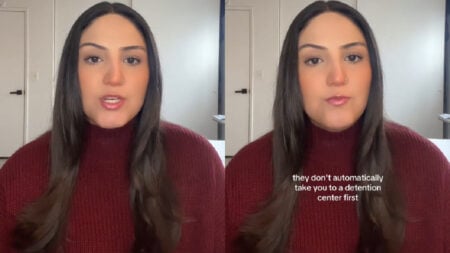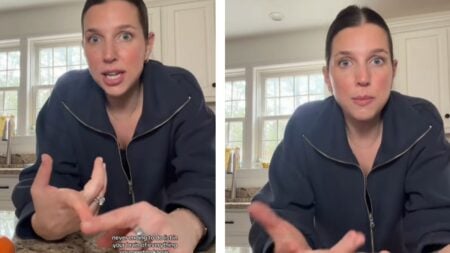
Texas, along with eight other states, has recently renewed its attack on disability protections. If they succeed, more disabled people may be removed from their communities and forced into institutions. In a recent video, disability rights activist Syanne Bloom covered those protections and what their dismantling would entail. She notes the connections between the struggles faced by immigrants at the hands of ICE, disabled people at the hands of the State, and, of course, those who fall on that intersection.
What is Being Dismantled?
Section 504 of the Rehabilitation Act is a federal civil rights law that prohibits certain disability-based discrimination. One of its attributes is that it enables people with disabilities to access services within their own communities.
One of the things it does is limit when the government can essentially kidnap people from their communities and place them in institutions, rather than supporting them where they live.
Bloom tells the viewers that Texas and several other states (Alaska, Florida, Indiana, Kansas, Louisiana, Missouri, Montana, and South Dakota) are seeking to weaken these protections.
Their argument is rooted in the idea that supporting a disabled person in their home is an “undue burden”.
What happens if they succeed?
Bloom warns that if they succeed, the state will be permitted to warehouse disabled people. This, she says, is undeniably connected to the warehousing of people within ICE detention centers. She points to the current treatment of disabled detainees within the California City Detention Facility.
Reports from this month document the confiscation of wheelchairs and canes, the denial of critical medications, and the near total isolation of deaf detainees without interpreters.’
Bloom’s message is clear – the state is deciding who can be treated as disposable, and ICE is laying down the framework.
ICE teaches us to look at a cage – whether its an “immigrant holding center” or a “government institution” – and see something familiar and necessary, rather than something monstrous.’