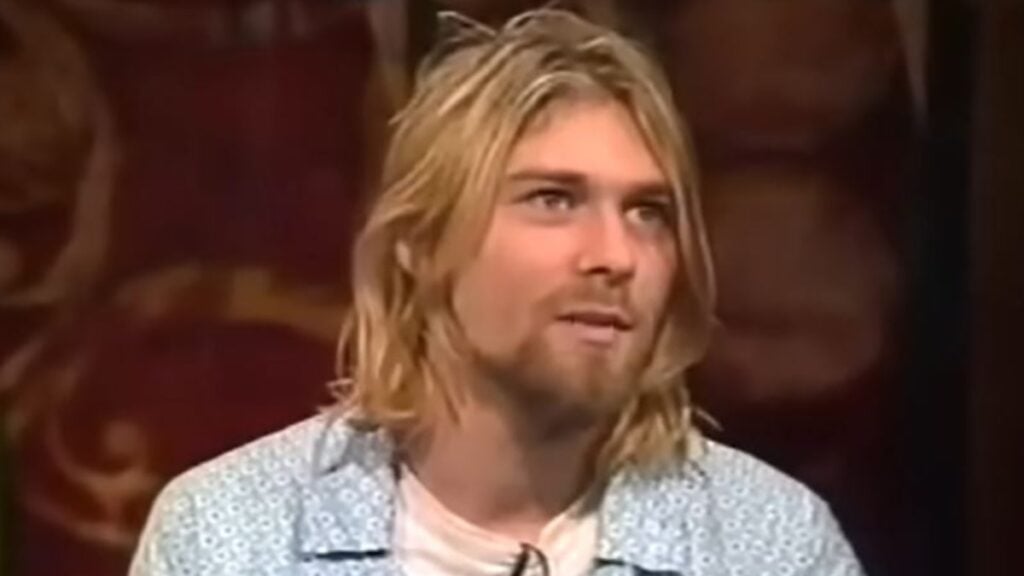
More than three decades after Kurt Cobain was found dead in his Seattle home, a retired police captain is challenging the official ruling of suicide, claiming it’s homicide. After auditing the case years later, he now claims critical evidence was mishandled, and says the investigation deserves another look.
Fresh Scrutiny Surrounds Kurt Cobain’s Homicide Debate
Cobain’s body was discovered on April 8, 1994, in a greenhouse above his garage. Within hours, authorities determined he had died by suicide days earlier from a shotgun wound to the head. But retired Seattle Police captain Neil Low, who reviewed the case file in 2005, says the physical evidence tells a different story.
‘I just am not buying that Kurt did that to himself,’ Low said, describing the original investigation as ‘botched.’ Though he did not work the initial scene, he later conducted an internal audit with full access to the file.
According to the Daily Mail, Low argues that irregularities in reports and forensic details raise red flags. ‘I’ve read the case, and I can tell you what the evidence says because that’s what I did for a living, and it does say not suicide,’ he said. He also believes early assumptions shaped the case from the start: ‘I think they went in with their mind made up. It was a suicide.’
When asked about the renewed scrutiny, Seattle Police stood by its long-held conclusion: ‘Kurt Cobain died by suicide in 1994. This continues to be the position held by the Seattle Police Department.’
Investigative Flaws Prompt Reexamination Pleas
Low points to blood patterns, the condition of Cobain’s hands, and the sheer force of the shotgun blast. ‘The birdshot went into his skull and really did a number,’ he said. ‘All the pellets were accounted for, but the impact would have been so forceful that it would have produced a significant spray, not just a little, a large spray.’
He also questioned the violence of the act itself. ‘Why do the shotgun-to-the-face thing?’ he asked. ‘He was not a violent person. I think he would have been satisfied with a less violent way.’
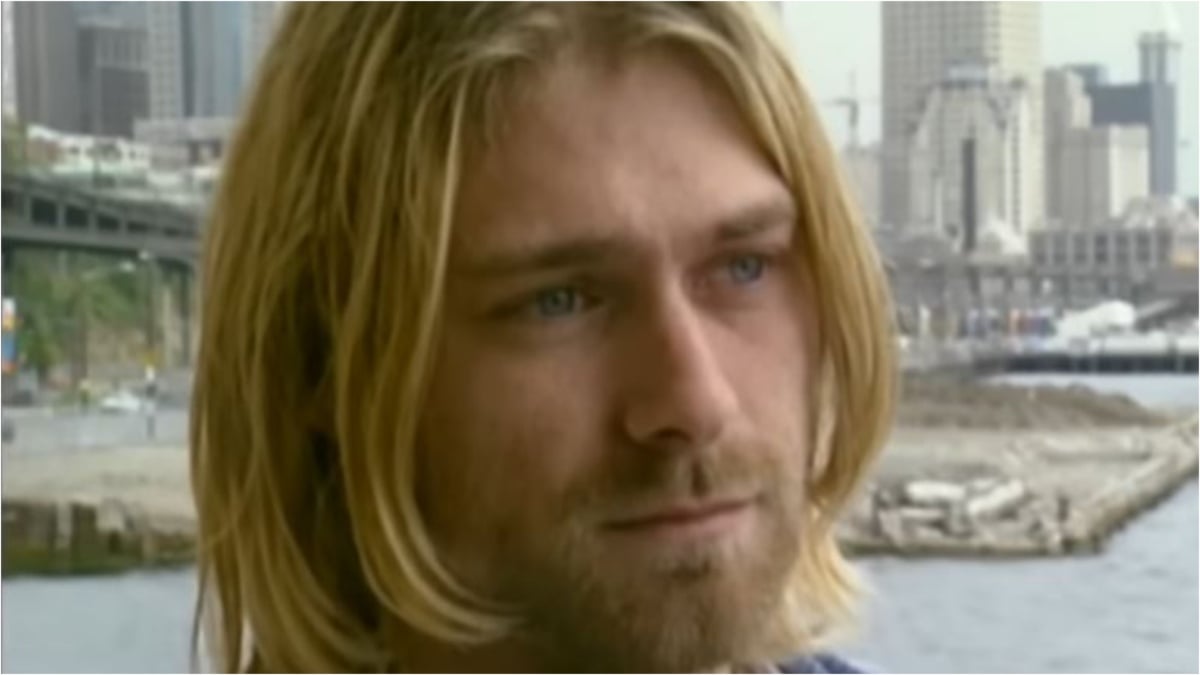
After decades of accepting the official ruling, Low’s conclusion has shifted. ‘They were led astray. I might have fallen for it, too, but now I think it’s a homicide, and I do think the case should be reopened.’
Whether the case is ever officially revisited or not, Low’s explosive claims have reignited one of rock music’s most enduring and controversial mysteries.