Minnesota Governor Tim Walz is under mounting pressure as tenants and union members across the Twin Cities prepare what organizers are calling the “largest rent strike in the United States in the last 100 years.” The action, set to begin March 1, comes amid widespread frustration over rising evictions and economic instability following federal ICE operations in the region.
“Tenants in Minnesota are in a crisis. The federal invasion forced many of our neighbors to stay home and devastated our local economy,” said Minneapolis City Council Member Aisha Chughtai (via Common Dreams), reflecting a sentiment echoed by thousands online. Over on Reddit, users criticized Walz for what they see as slow action, with one commenting, “There’s a good chance that a declaration now would fall to legal challenges,” while another warned, “I’d rather throw stuff at the wall and see what sticks than sit by and watch people get kicked out of their homes because they’re too afraid of the secret police to leave those homes.”
The strike involves Twin Cities Tenants and five major labor unions, representing roughly 26,000 workers, who demand an eviction moratorium and immediate rent relief. Organizers say the federal presence under President Donald Trump’s “Operation Metro Surge” has left many residents unable to safely leave their homes, resulting in lost wages and a spike in evictions. Estimates show $47 million in lost income and over $15 million needed in rental assistance to prevent widespread displacement.
Walz’s office has stated he “does not currently have the legal authority to enact an eviction moratorium.” While the governor previously implemented such a measure during the COVID-19 pandemic under a peacetime emergency declaration, legal experts say current conditions may not meet statutory requirements. Reddit debate mirrors public frustration, with some users expressing concern about potential legal and political consequences of unilateral action, while others call for urgent intervention regardless of risk.
Union leaders argue the stakes are high, noting that even a partial participation in the strike could generate $15 million in economic disruption. “The people of Minneapolis and St. Paul have shown the way, fighting a federal invasion and caring for their neighbors; their fight and their care continue in this historic rent strike,” said Tara Raghuveer, director of the Tenant Union Federation.
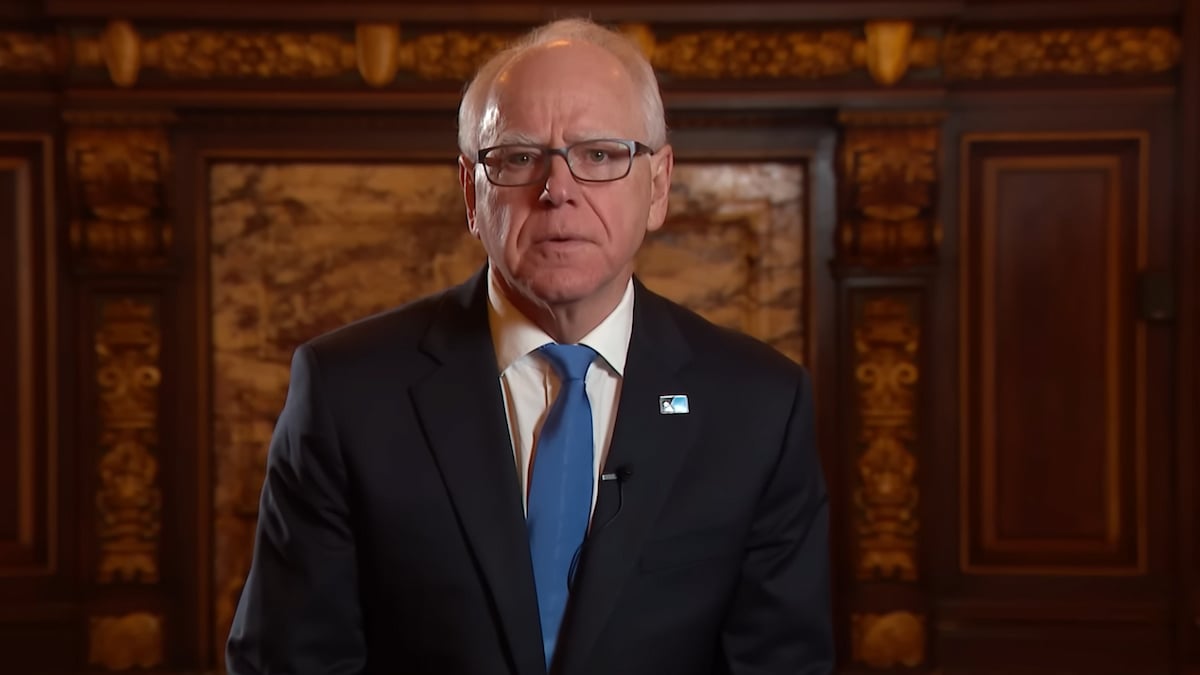
As Minnesota braces for the start of the strike, Walz faces a difficult choice: risk legal and political fallout by acting decisively or allow thousands of residents to face eviction amid a crisis many see as directly tied to federal enforcement operations. With public pressure mounting, the coming weeks could define the governor’s leadership on housing and economic justice in the state.