
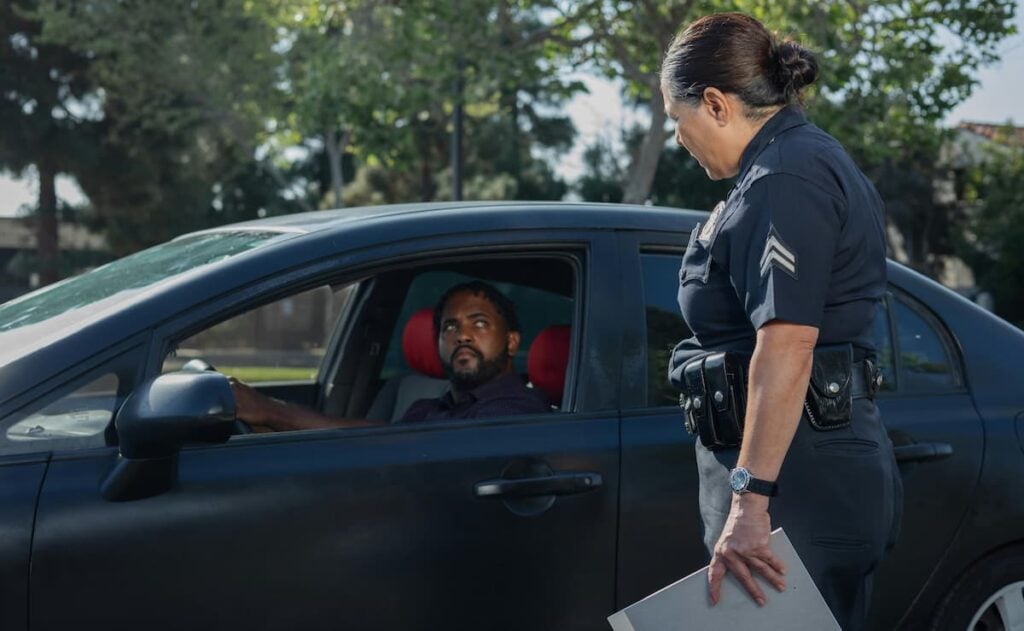
A sprawling dataset compiled from 17 years of Franklin County Municipal Court reports paints a stark picture of traffic enforcement in Columbus, Ohio. The numbers suggest a system in retreat. Speeding citations are down roughly 75 percent since their peak, stop sign violations have dropped by nearly 80 percent, and expired license cases have seen a similar collapse.
On paper, that might sound like safer roads, but residents say the opposite is true.
Across a popular Reddit thread this week dissecting data compiled by user post_appt_bliss, Columbus drivers describe a city where enforcement has quietly faded, and risky behavior has filled the vacuum. “That’s a very drastic drop and we all know it’s not because this city suddenly got better at driving,” one user wrote, echoing a sentiment repeated throughout the discussion.
The charts show a consistent downward trend beginning well before the pandemic, with a sharper dip during the COVID years and little recovery since. Categories ranging from “failure to signal” to “driving under suspension” all follow a similar trajectory. Even as Columbus has grown, citations have not kept pace.
For many residents, the most visible change is the surge in vehicles without proper registration. “I see cars all the time without a plate or even so much as temporary tags,” one commenter noted. Another added a broader frustration: “Why should I even renew my registration? There are no rules.”
Others point to daily driving behavior as proof that the decline in tickets does not reflect improved compliance. Reports of red lights treated like optional stops, frequent hit-and-run incidents, and widespread phone use behind the wheel dominate the conversation. “I see someone full on run a red light at least once a day,” one user wrote.
The discussion also highlights potential downstream effects. Some users speculate the state is losing revenue from uncollected registration fees, while others warn of rising risks tied to uninsured drivers. One commenter offered practical advice amid the uncertainty: “A $500,000 uninsured policy is usually less than $20 a month.”

There is also a growing call for accountability. Several users urged local journalists and officials to investigate further. “Hold our city leaders and police to account for things like this,” one post reads.
Whether the decline stems from policy changes, staffing issues, or shifting priorities remains unclear. What is clear, at least among Columbus drivers, is a shared perception that enforcement has all but disappeared. And with it, seemingly, a sense that the rules of the road no longer apply.