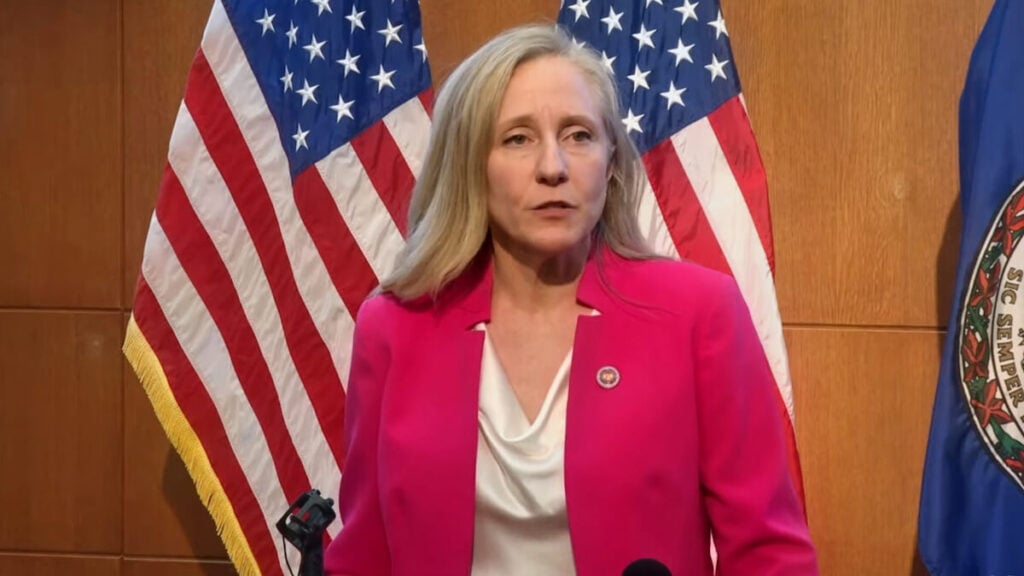
Virginia Governor Abigail Spanberger announced that the state now has Paid Family and Medical Leave. She posted the update on X to celebrate the new policy. The governor stated that working Virginians will no longer be forced to give up their paychecks to welcome a child or care for a sick loved one. Spanberger described the legislation as a historic step forward for the state economy.
She thanked local lawmakers for their work to pass the landmark legislation.
She closed her statement by noting she is proud to fulfill a promise to support working residents.
Taxpayer Online Backlash
The celebratory announcement immediately drew intense criticism from residents focused on the financial cost.
One resident pointed out the direct financial impact on voters: “I notice you did not bother to tell everyone who’s paying for this… another $500.00+ in state taxes for every working VA family.”
Another user echoed the frustration over forced individual contributions: “Yeah. Thanks. Now I’ve got pay for one more thing out of my taxes.”
Critics also warned that the state mandate would have severe economic consequences for the local job market. “Yep. All paid for by employers and the employees. Look for higher unemployment and business closures in the future in Virginia,” one commenter stated.
Others argued that the policy oversteps by forcing citizens and businesses to fund individual domestic choices. “Having kids is a personal choice, not a professional one. If businesses want to pay you to have kids, good on them. But they shouldn’t be forced,” a frustrated user wrote.
Despite the heavy financial backlash, some residents praised the initiative as a necessary public benefit. “Feels good to live in a beautiful blue state with common sense policies,” one supporter noted.
Another voter argued that the broader societal benefit outweighs the personal tax burden: “I want to remain child free and still don’t mind my taxes go towards helping children and people who get sick.”
The fierce online reaction highlights the stark divide between the administration’s messaging and voters’ immediate financial concerns.