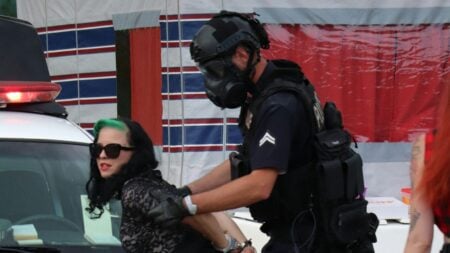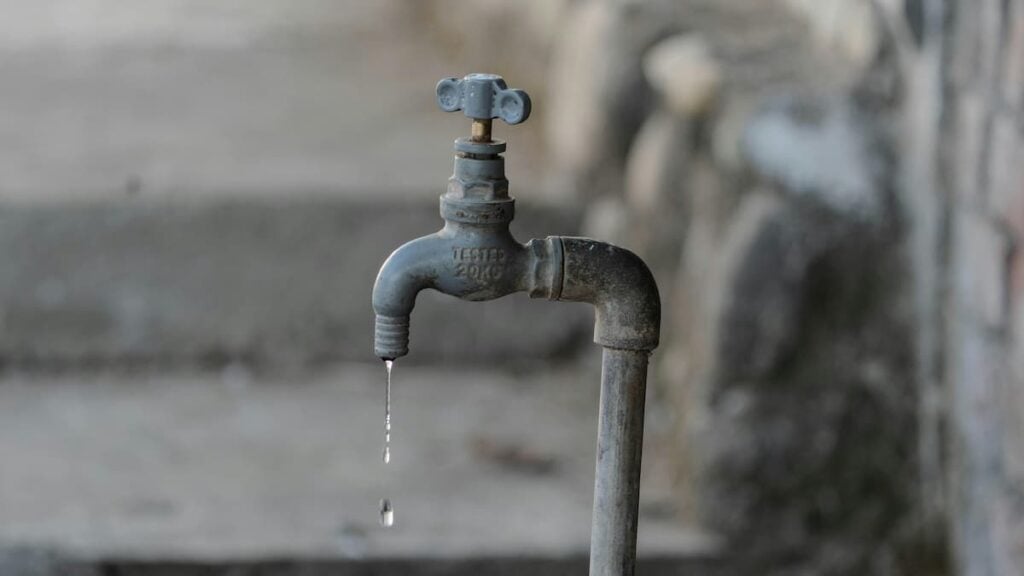
A Texas woman’s arrest over Facebook posts concerning her town’s water supply has sparked online debate surrounding free speech, public safety, and government transparency.
Jennifer Combs of Trinidad, Texas, became the subject of public debate after posting warnings on Facebook about alleged problems with the city’s drinking water. The posts were reportedly made shortly before her arrest and focused on concerns surrounding the local water supply. Authorities later arrested Combs on allegations tied to making a false report, claiming the posts caused unnecessary panic within the community.
The story quickly spread online after Reddit discussions and independent media coverage raised questions about whether the arrest crossed the line into retaliation against protected speech.
According to local reports, Trinidad officials acknowledged the city has faced ongoing infrastructure and water-system issues in recent months, including complaints about water quality and previous boil-water notices.
Combs has since argued the arrest was an attempt at “silencing the citizens,” claiming she was trying to raise awareness about concerns residents had already been discussing publicly.
The controversy intensified after reports indicated the charges connected to the Facebook posts were ultimately dismissed, leading to renewed criticism online and broader conversations surrounding free speech protections and local government accountability.
Online Reactions
Reddit discussions also circulated clips referencing a Fox 4 News interview tied to the case, further amplifying attention around the controversy.
Reactions quickly turned into a broader debate over free speech and government response. One user wrote, “So now in America people can get arrested for telling the truth? Huh, never saw that coming,” reflecting frustration among those who believe the arrest went too far.
Others echoed similar skepticism, with another commenter adding, “sort of makes sense though don’t it? When lies become the truth then the truth becomes dangerous,” suggesting the situation highlights tensions around misinformation and public trust.
One of the most widely shared remarks came from a user claiming to be a Texas police officer, who stated, “I’m a Texas police officer and the offense they arrested her for is not even applicable,” a comment that fueled further debate over whether the arrest was legally justified.
Supporters of Combs argue the reaction underscores a larger concern: that residents should be able to publicly discuss potential health and safety issues without fear of criminal penalties, particularly when those concerns involve drinking water and public infrastructure.

Others, however, maintain that local officials still have a responsibility to step in when information shared online risks creating widespread fear or confusion within a community.
The incident has continued gaining attention across social media platforms, where many users argue the arrest may have intensified scrutiny of Trinidad’s water issues rather than reducing concern.