A Texas woman took to TikTok looking for clarification on the status of the boycott of Asian-owned beauty supply stores and nail salons following the Rick Chow verdict. Instead of finding a straightforward answer, her comment section quickly became a battleground over race.
Texas TikToker Tanzania Black posted a video explaining that while she “loves a good boycott,” she wanted to know whether this particular movement actually had widespread support. In the video, she asked, “If we are united in this, or is this like, 10 folks? Because there ain’t no point in boycotting if there’s not gonna be a large group of us doing it.”
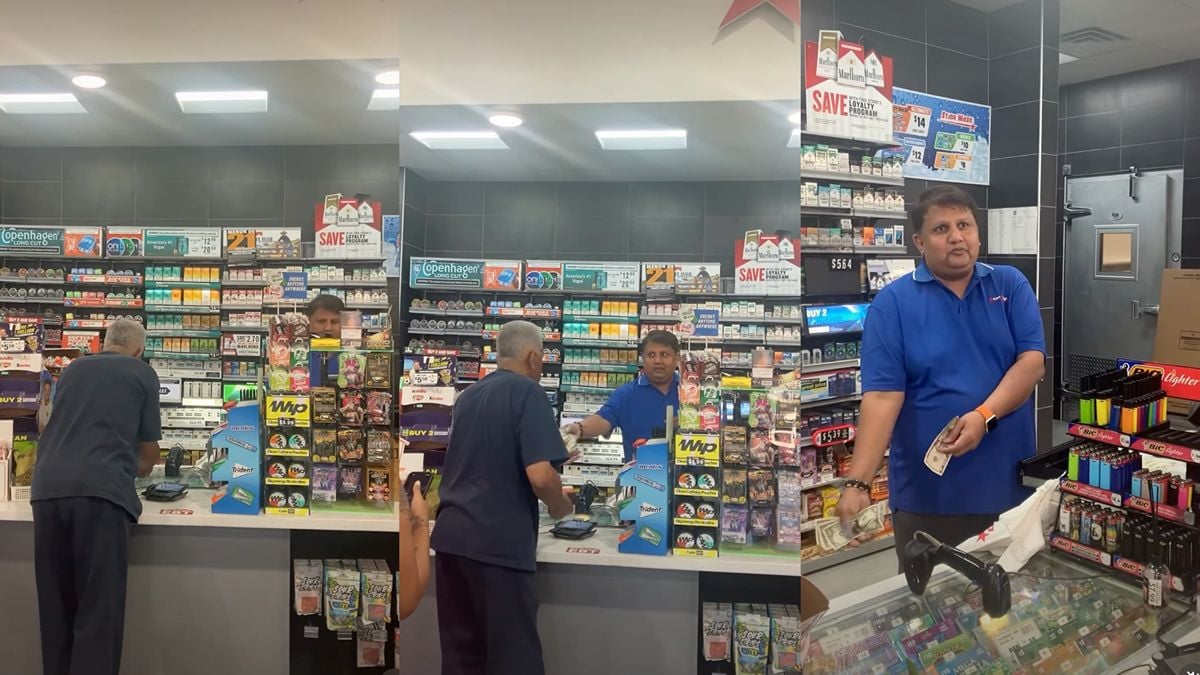
The video comes amid online discussions about whether some consumers should boycott certain businesses following the Rick Chow verdict. Many commenters expressed support for the idea, though the scope of any organized boycott was unclear. Some supporters said they viewed the boycott as a response to what they perceive as longstanding tensions between Black customers and some business owners.
The Commenters Don’t Hold Back
The discussion quickly became contentious, with some commenters posting racially charged remarks. Some commenters criticized the proposed boycott and posted remarks that others viewed as racially insensitive. One commenter argued that some responses had become racially charged, writing, “Why are white ppl taking an issue with ASIANS AND BLACK ppl as an opportunity to be racist to ONLY BLACK PPL?”
Others focused less on the boycott itself and more on the OP’s question. One commenter argued, “it shouldn’t take you to only boycott if everyone else is doing it. If YOU find what happened problematic and YOU feel like something needs to be done, then don’t do business with them.”
Meanwhile, some users pointed to the long history of economic activism within the Black community. “People forget that if it wasn’t for Black people fighting for civil rights, a lot of us wouldn’t have the opportunities we have today,” one commenter wrote.
Many commenters expressed support for the boycott, while others questioned its effectiveness or scope. Many encouraged Black consumers to spend more with Black-owned businesses.