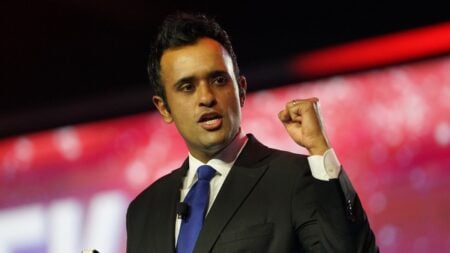
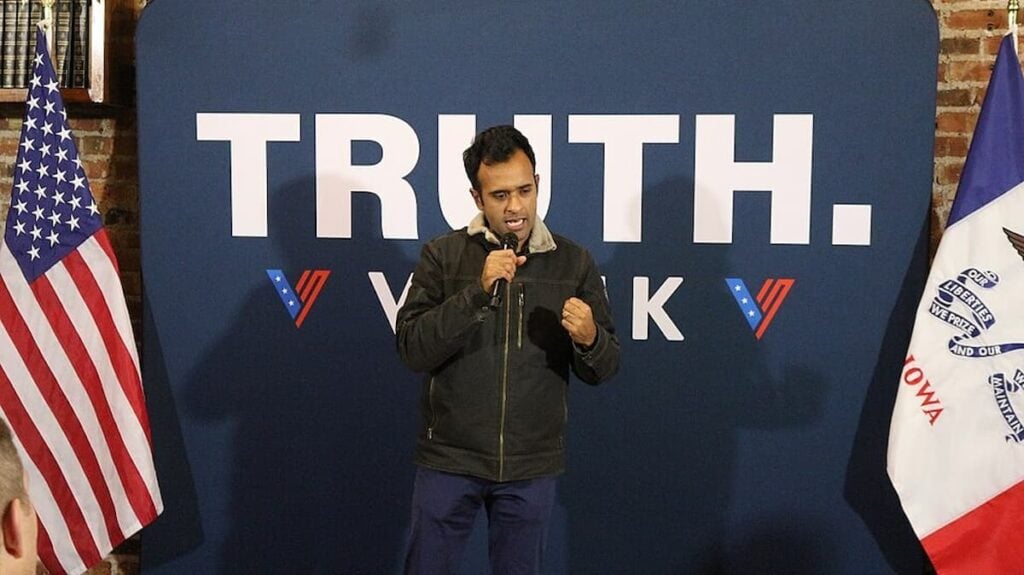
New reporting about Vivek Ramaswamy’s former pharmaceutical company has landed with a thud among some in Ohio, and the detail attracting the most anger is not simply that Axovant’s Alzheimer’s drug ultimately failed.
It is how the numbers were made to look better beforehand. The report from Oligarch Watch alleges that Axovant revisited data from previous GlaxoSmithKline trials of intepirdine, an Alzheimer’s treatment that had already failed to meet key objectives. Ramaswamy’s mother, Geetha Ramaswamy, later became Axovant’s vice president of medical and scientific strategy and co-authored analyses that presented the old results in a more favorable light.
Over on the Ohio subreddit, one commenter summed up what they considered the crucial new element: “new reporting details about how they flagrantly manipulated trial data to polish the turd of his pharma company before an IPO.”
The language is crude, but the distinction matters. The controversy is not merely that a risky biotech bet went wrong. Drug development fails constantly. The allegation drawing attention is that Axovant used selective methods to turn disappointing data into a much more attractive investor story.
The Numbers Suddenly Looked Much Better
One analysis divided patients into simple “responders” and “non-responders,” rather than relying solely on their precise cognitive scores. Another examined only patients who completed the 48-week study, excluding more than 30% who dropped out.
Those approaches produced more encouraging results from the same underlying trial that had previously failed to meet its overall criteria for success.
Axovant then cited favorable findings ahead of and following its 2015 IPO, which raised $315 million and valued the company at roughly $1.4 billion.
That sequence fueled some of the harshest reaction in the Ohio thread.
“Just another example of healthcare fraud,” wrote one commenter.
Another focused on the human stakes behind Alzheimer’s drug development: “Scamming with Alzheimers treatments is some of the lowest of the low. Absolutely terrible disease and people are often desperate for anything to help.”
Others directed their anger toward Ramaswamy’s political ambitions. One commenter wrote, “It still boggles my mind how anybody could support him in good faith.” Another argued the reporting should become a campaign issue.
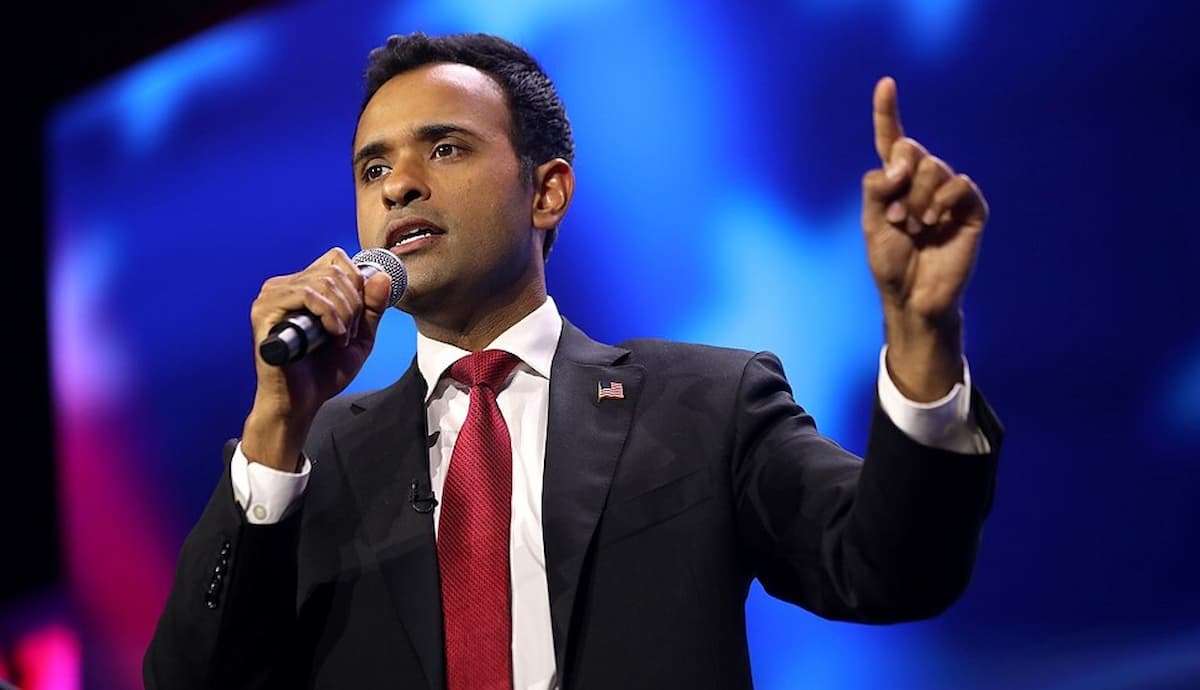
The thread is plainly not a representative survey of Ohio opinion. It is a snapshot of a heavily critical Reddit audience. But its reaction shows why the new details could prove more politically combustible than the familiar fact that intepirdine failed.
A failed drug is ordinary biotech risk. A story about how failed data was repackaged before investors poured in is much harder to explain away.