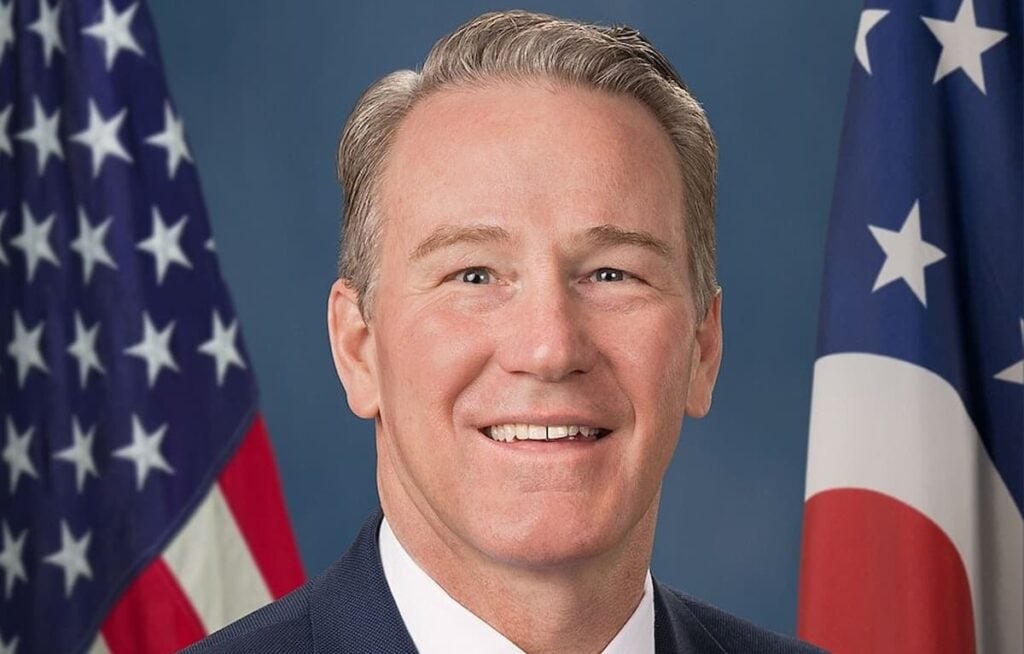
Ohio residents were already confronting a grim story: vulnerable nursing home patients, including people with dementia and serious medical needs, were being discharged to homeless shelters. Then came Jon Husted’s name. The Republican U.S. senator was one of 45 Ohio House members who cosponsored a 2002 law that made nursing homes harder to sue. Since then, Husted has received more than $1 million from the nursing home industry, its executives and lobbyists, according to a Tiffin Ohio report.
The report detailed federal inspection findings involving seven Ohio nursing homes accused of discharging residents to shelters. In one Columbus case, a woman with diabetes, a fractured tibia and alcohol-related dementia was taken to a homeless shelter after staff could not find her a treatment bed.
She arrived using a walker, incontinent and carrying a bag of medications. The shelter initially refused her. By the time inspectors wrote their report, neither the facility nor investigators could locate her.
Other cases included a diabetic man discharged after his insurance stopped paying, despite not being trained to manage his medication, and residents moved out without adequate notice, prescriptions or care plans.
‘Family Values’ Came Under Fire
Commenters over on the Ohio subreddit didn’t mince words after the report was shared.
“Well that’s just…evil,” one commenter wrote.
The Reddit thread quickly widened from anger over Husted to broader disdain for Ohio Republicans.
“From the ‘Family and Christian Values’ Party,” one commenter wrote.
The thread is not representative of Ohio voters as a whole, but the hostility was striking even by partisan social media standards. The nursing home story appeared to land differently because the alleged consequences are so stark: elderly and disabled people being pushed from institutional care into shelters that may not be equipped to support them.
One Columbus commenter claimed residents were already seeing similar cases locally, describing an elderly dementia patient found alone with a suitcase and no family support.
That account was anecdotal and separate from the federal inspection findings, but it captured the fear running through the discussion.
The money trail sharpens the political anger. Tiffin Ohio reported that nursing home trade groups, operators, and executives have contributed heavily to Husted over the years.
Those donations do not prove wrongdoing or a quid pro quo. But for critics, the sequence is difficult to ignore: Husted helped back legislation that reduced nursing homes’ legal exposure, then continued receiving substantial industry support.

One Reddit commenter asked the question that may matter most as Husted faces Democrat Sherrod Brown in November: “Why is this not a campaign ad?” The vote happened in 2002. The nursing home discharges did not.
That is what makes this more damaging than an old legislative footnote. Critics now have a vivid picture to attach to it: vulnerable Ohioans at the point where care stops, the nursing home door closes, and a homeless shelter becomes the next destination.