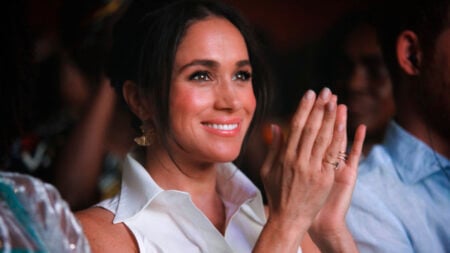
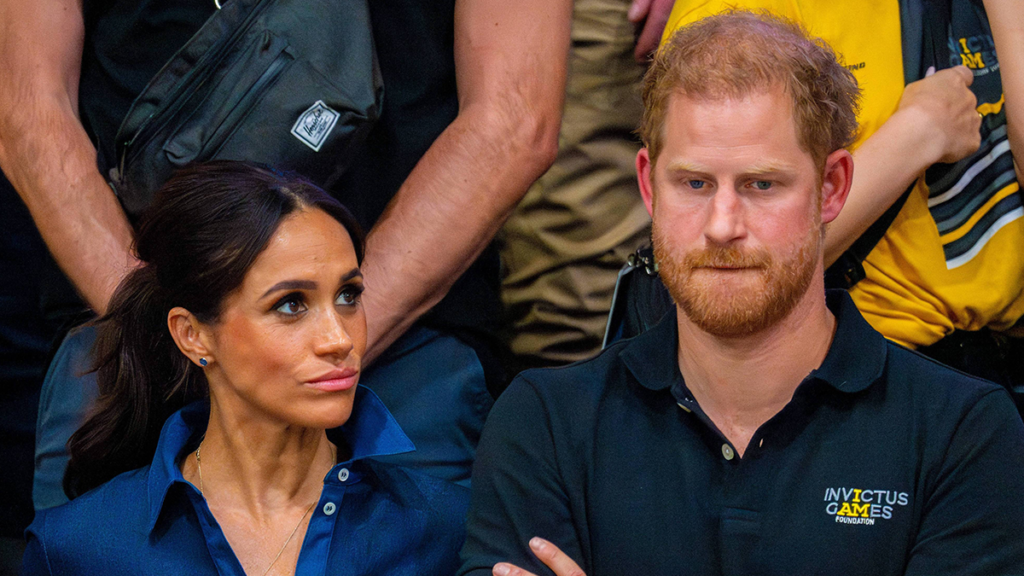
Prince Harry says the moment he finally escaped the pressure of royal life, he fell apart. In a new MasterClass released Thursday, the Duke of Sussex, 42, reveals he “slipped into depression” within days of arriving in Canada with Meghan Markle and baby Archie in late 2019, the trial run for their exit from the royal family, Page Six reported. The class, filmed in California in early summer, lands two days before World Mental Health Day and six weeks after the family moved back to Britain.
Harry’s account of the crash is blunt. “Being in Canada, away from the stressful environment where presumably my body was just pumped full of adrenaline,” he says, “within two or three days, I experienced this adrenaline crash, something that I’d never experienced before.” “Because I became useless around the house,” he admits. “It was as if I needed stress in order to get the adrenaline to make my brain function. I actually slipped into depression for about two weeks and I felt like I couldn’t function without adrenaline.”
The Sussexes spent the end of 2019 on Vancouver Island with Archie, then five months old, before announcing in January 2020 that they were stepping back as senior royals. The move, Harry says, was meant to “get some space away from everything just to be able to think.” The family relocated to Montecito, California, that spring and stayed six years before returning to the UK in August.
The class, Redefining Grief: Building Resilience Through Loss, pairs Harry with neuroscientist Dr. Mary-Frances O’Connor and benefits Comfort Zone Camp and Scotty’s Little Soldiers. MasterClass approached him about the project last year, according to People, which first reported the Canada revelations on Thursday morning.
‘I’m Fine’: Harry Says He Spent 20 Years Numb After Diana’s Death
Harry was 12 when Princess Diana died in Paris in 1997. “For 15, 20 years, when I was being asked, ‘Are you okay?’ My response was, ‘I’m fine.’ It was numbness, emotional shutdown,” he says. “And without knowing it, adrenaline was pushing me, was driving me. It was the driving force of what took me to joining the military at the age of 20.”
It stopped working after his second Afghanistan tour. The simple act of buttoning a collar “literally felt like I was suffocating,” he recalls, and he was “experiencing panic attacks just in the car on the way to work.” “I felt disloyal and guilty for the possibility of being happy and joyful without her,” he says, until a realization that “she just wanted me to be happy” changed everything. “It freed me, and it gave me a whole different outlook on life.”
On X, the reply thread under People’s story ran overwhelmingly against him, and the skew was hard to miss. “Two weeks?! He’s given his family six years of heartache!” one user wrote, while another asked, “It seems like everything about the royal life was torture for him. Why come back?” Others questioned the messenger: “For a self proclaimed mental health advocate and expert, he keeps proving he really has no idea about the causes he champions. Wow.” Several were simply tired of the drip-feed. “Is People going to print a story about Harry & Meghan every day?” one asked, and another offered, “He needs to move on with his life. He’s got his own family now.” Sympathy was scarce but not absent: “The loss of family is tough, even if that family is toxic,” one reader wrote.
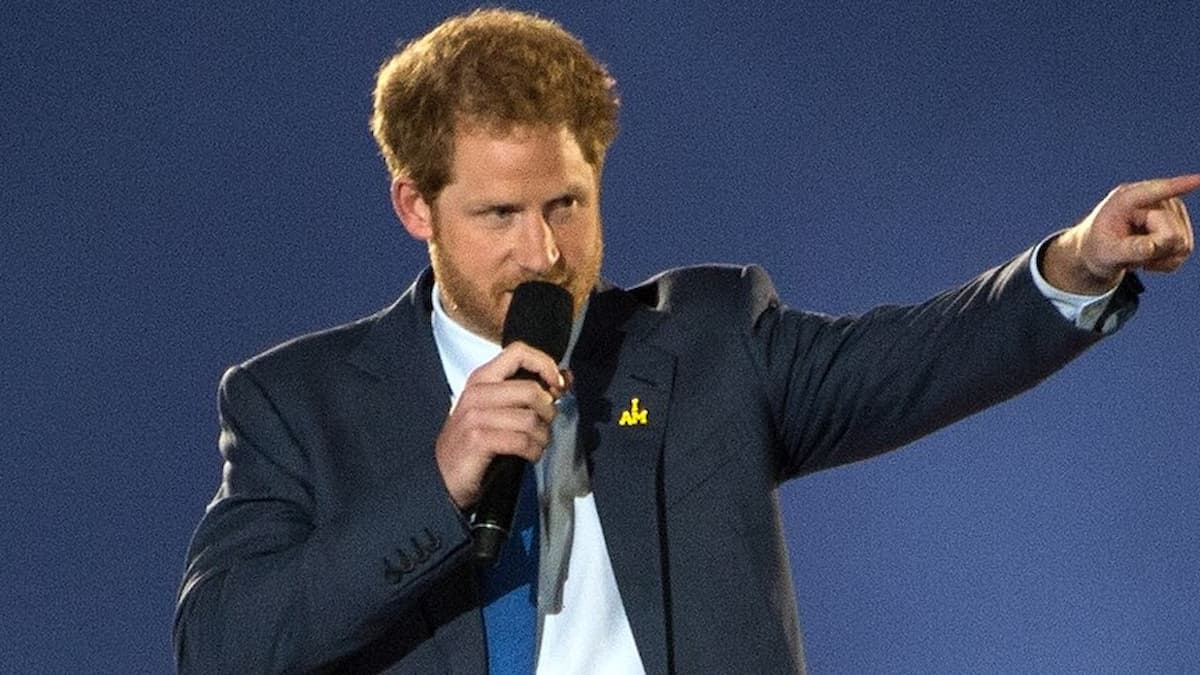
Six years after the crash in Canada, Harry is back in the country he left to think, declared a private citizen by the palace and teaching the world how to grieve. This time, there is no exit planned.