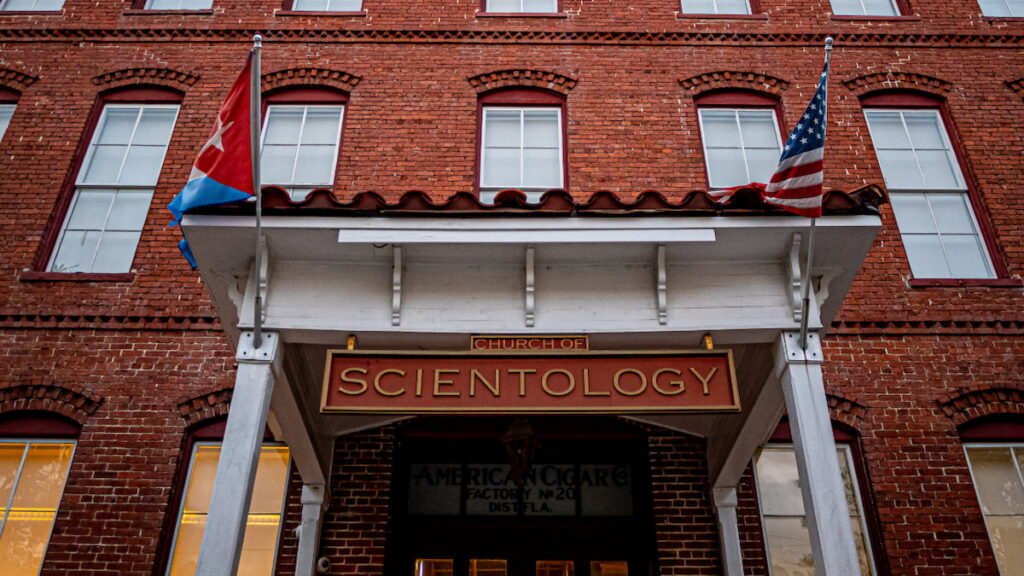
Florida residents are questioning the Clearwater City Council after it rejected a successful citizen petition challenging the closure of part of South Garden Avenue for a Church of Scientology development.
The grassroots Save the Garden campaign submitted approximately 10,812 signatures seeking to overturn the city’s earlier decision. According to official Clearwater records, election officials verified 7,577 of those signatures, exceeding the 7,067 required under the city charter.
Despite meeting that threshold, councilmembers voted 3-2 on November 5 to take no further action. The decision preserves an ordinance vacating a portion of the street for a planned Church of Scientology development.
Councilmembers cited an opinion from Florida Attorney General James Uthmeier’s office, which reportedly arrived on the afternoon of the vote. The opinion concluded that state law prohibits referendums involving certain development orders and land-use regulations.
Florida Locals React to Controversial Change
That timing immediately attracted attention in a Florida Reddit discussion. One commenter noted that the city requested guidance on September 23 but received its answer hours before the council meeting.
“You’re telling me thousands of residents can go through the proper channels, collect signatures, and do everything they’re supposed to, only for the city to essentially tell them to kick rocks?” the commenter wrote. They added that the opinion’s timing was “absolutely worth questioning.”
The meeting itself reportedly became contentious. According to WUSF, Councilmember David Allbritton accused petition supporters of being motivated by their “hate for Scientology,” prompting backlash inside the chamber.
Save the Garden has indicated that the dispute may now move into court. Campaign director Brooks Gibbs said the group intends to defend the verified signatures and seek a judicial ruling.
The legal argument may determine whether Clearwater could hold the referendum. For frustrated residents, however, the larger question is whether completing the city’s petition process ever offered them a meaningful voice.