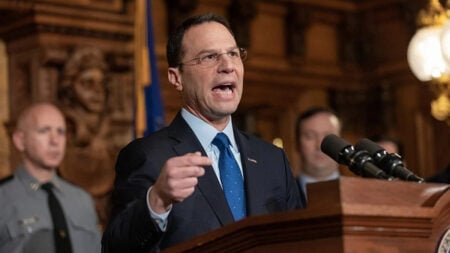
Virginia Gov. Abigail Spanberger unveiled a six-point housing framework in Hampton Roads aimed at easing the state’s housing shortage. The proposal calls for more homes, support for first-time buyers and fewer obstacles to development. Her announcement drew criticism from people questioning how the governor defines affordable and safe housing.
In a WAVY report shared by the governor, Spanberger outlined the plan at the Hampton Roads Convention Center. She said “anyone who wants to build a good life in Virginia” should find housing that fits their budget. The six priorities also include renovating existing homes, promoting manufactured and modular housing, and strengthening housing stability.
She emphasized building near public transit, particularly in densely populated communities, and pointed to legislation planned for next year. The governor also said Virginia had aligned the legal treatment of manufactured homes with site-built houses. She directed state officials to review local zoning rules and identify approaches worth changing.
Virginia housing official Tamarah Holmes emphasized preserving existing homes alongside new construction. Virginia Housing CEO Tammy Neale said some residents remained unaware of available grants and assistance programs. The report did not define an affordability threshold or specify how officials would measure housing safety.
Virginia Gov. Abigail Spanberger Faces Questions Over Housing Affordability and Costs
The discussion quickly turned toward the meaning of affordable housing, the costs of the proposal and its potential impact on communities.
One person questioned the governor’s promises, asking, “Please define ‘affordable’ and ‘safe’ “. Another challenged Spanberger’s broader affordability policies, writing, “Then why do you keep raising taxes and adding fees on everything to make it un-affordable?”
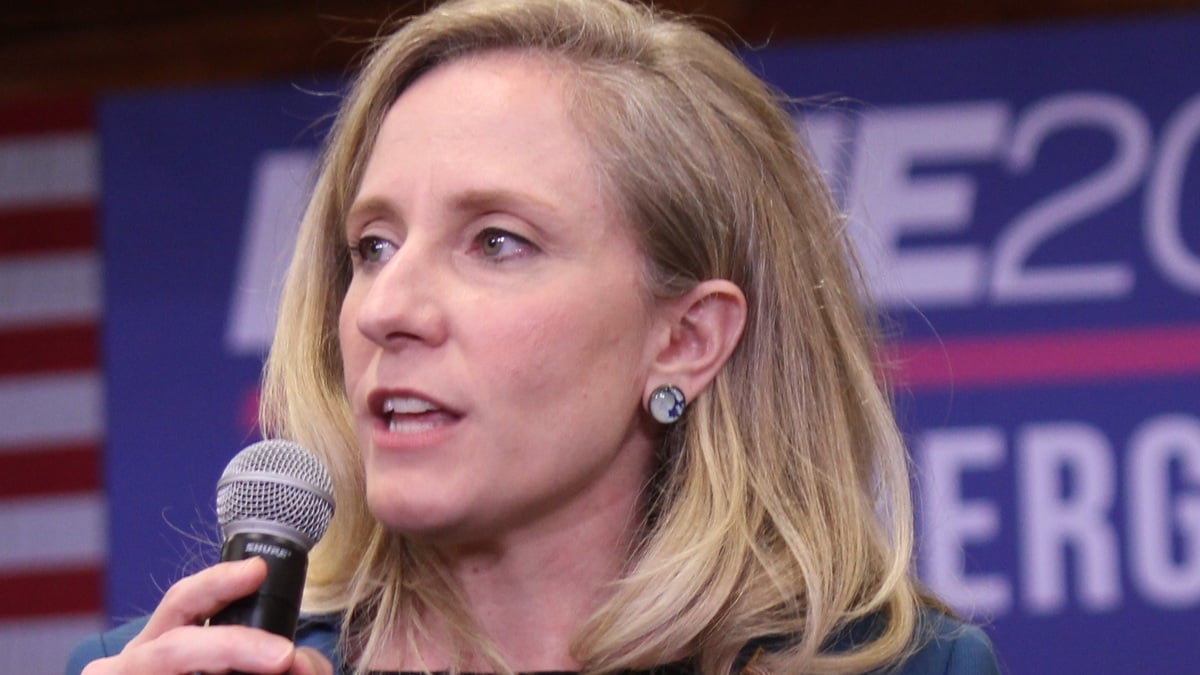
The financial implications of the housing framework also drew questions. “Got a price tag on this? How much is it going to cost?” one response asked. Another raised concerns about where new housing would go, questioning, “As long as it isn’t in your neighborhood, right?”
The announcement did not specify an overall cost for the framework or identify locations for new housing developments.