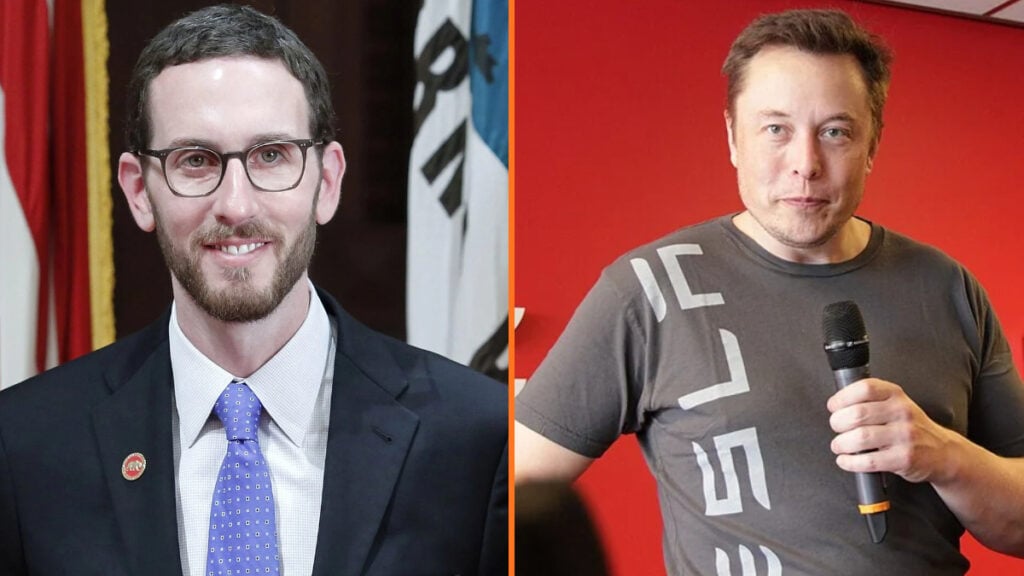
The consequences of the Trump administration’s cuts to international humanitarian aid have become a point of contention for California State Sen. Scott Wiener, who took to X to hold both President Donald Trump and Elon Musk responsible for deaths overseas. His remarks followed a journalist’s account of traveling to South Sudan to see firsthand how communities were coping without American assistance.
Wiener, who was elected to Congress earlier this month, is set to succeed Nancy Pelosi as San Francisco’s representative in the U.S. House.
Wiener didn’t mince words when discussing the Department of Government Efficiency, calling its actions deadly and urging the restoration of humanitarian programs as a priority. However, judging by some of the responses beneath his post, not everyone shared Wiener’s concerns, with several commenters questioning whether that funding should be restored.
The California State senator was responding to a post from New York Times opinion columnist Nicholas Kristof, who challenged Musk’s assertion that nobody has died as a result of the humanitarian aid cuts. During his time in South Sudan, Kristof said he visited a medical clinic where healthcare workers were operating without antibiotics, running water, aspirin, or even hand sanitizer.
Among Wiener’s biggest concerns were the cuts affecting the United States Agency for International Development and the President’s Emergency Plan for AIDS Relief. Both have played significant roles in providing medical treatment and humanitarian assistance overseas, particularly in communities where access to healthcare is already limited.
Research published in The Lancet in 2025 projected that continued deep funding cuts and the eventual dismantling of USAID could result in more than 14 million additional deaths by 2030, including approximately 4.5 million children under the age of five. While those numbers represent projections rather than documented deaths, they offer some perspective on the potential scale of the humanitarian consequences.
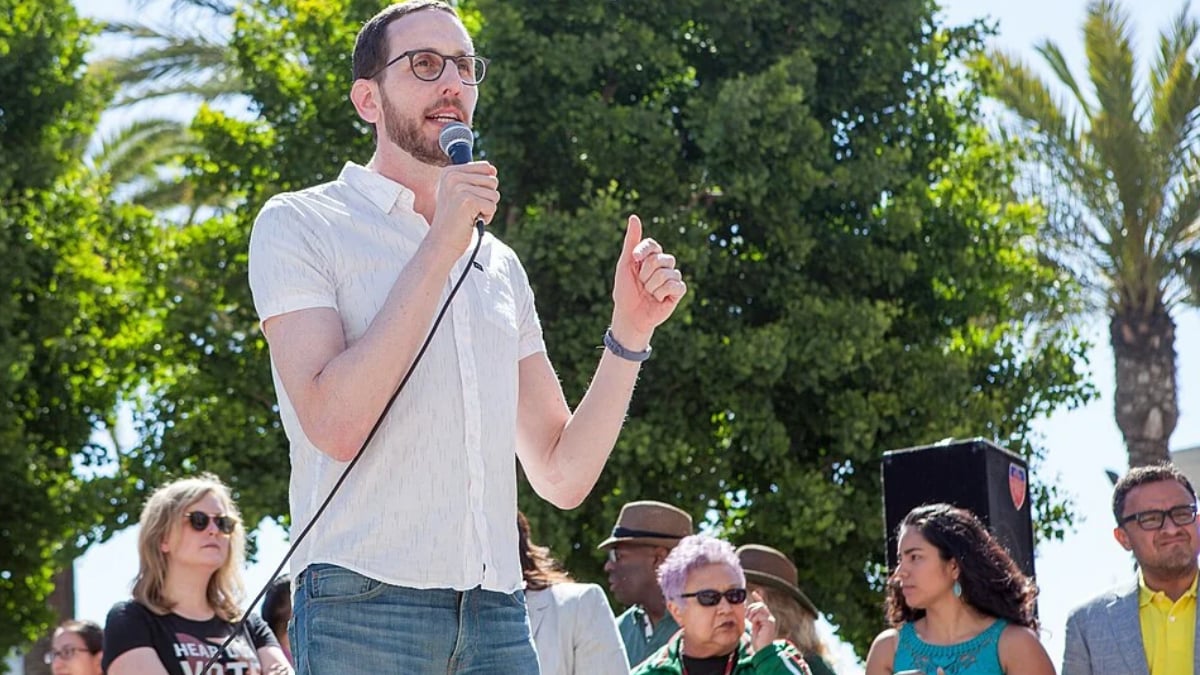
According to Wiener, there was also an argument about America’s standing on the international stage: the cuts have compromised national security by eroding goodwill toward the United States. That argument didn’t sit well with some commenters, who questioned the value of international relationships they believed depended on American financial assistance.
Comments and Reactions to Senator Scott Wiener’s DOGE Remarks
Rather than sharing Wiener’s frustration with Musk, some commenters were disappointed that the billionaire’s government spending initiative hadn’t gone further, with one person writing, “DOGE barely cut anything, unfortunately. What it did cut was blatant corruption and grifting.”
For others, the conversation came down to how much money the United States could reasonably afford to spend helping people overseas, with another person writing, “Wait you want us to start sending tax monies to the third world again? Why are we babysitting them when we have so much debt?”
Wiener’s post became a discussion about something considerably broader than Musk’s spending cuts: how much responsibility the United States should assume for humanitarian crises beyond its borders.