Ever wonder why studios keep pumping out safe sequels and attention-consuming live-service ‘slops’? Apparently, games are getting so expensive that just breaking even can be called a win. According to Bloomberg’s Jason Schreier, budgets around AAA game development are now at $300 million, sometimes ‘much more.’ That’s before counting marketing and executives’ pay, which can easily add tens of millions on top.
Exact budgets of video-game productions can be tough to corroborate (more transparency from publishers would be nice!) but the numbers I’ve heard floating around AAA game dev these days are $300 million or more — sometimes much more! — which I think helps explain the current state of the industry
Schreier also added that these figures largely apply to US and Canadian productions, where labor costs are higher. The math gets even more daunting when you factor in revenue splits between publishers and storefronts like Steam.
“If you sell a game at $70 and pocket $49 on every sale (30% goes to the store, assuming all sales are digital),” wrote Schreier. “You’d need to sell more than 6 million copies just to break even on a $300m budget.”
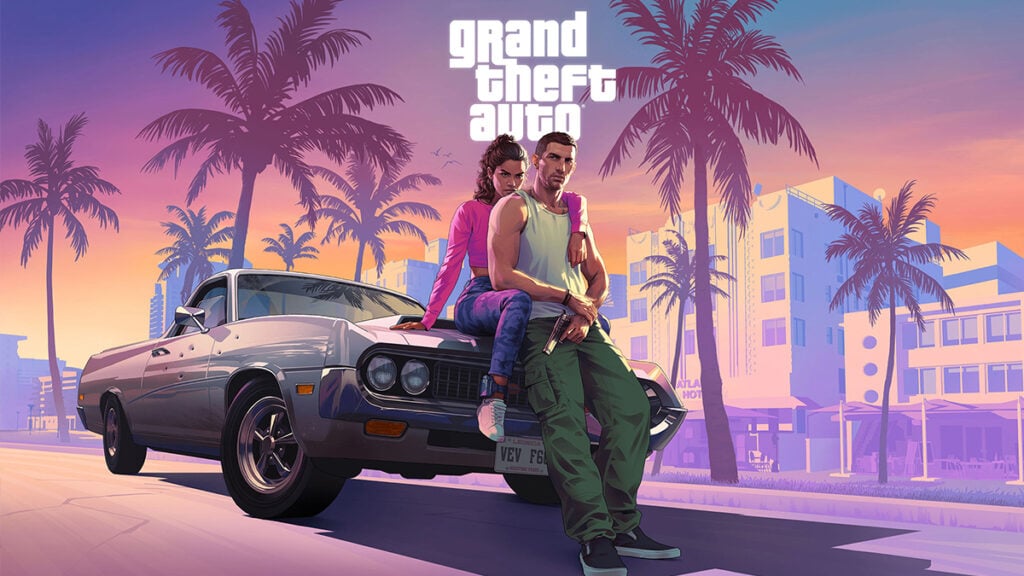
To put that into perspective, a $300 million game now costs roughly the same as buying around 600 homes, according to Forbes’s data. Median US house prices sit around the $400,000-$500,000 range, meaning one blockbuster release now equals the value of around 610 houses or an entire neighborhood.
While it’s not a huge surprise to those who follow the industry, the massive cost of this virtual entertainment keeps getting harder to justify. After all, budgets for AAA game development keep ballooning year-over-year.
Five years ago, some of the most expensive AAA games like The Last of Us Part II and Cyberpunk 2077 were already hovering around the $200 million range. Then, leaked documents showed Marvel’s Spider-Man 2 pushing into $300 million territory in 2023.
Now, Schreier’s remark suggests that figure isn’t the exception anymore. It is the standard for major North American studios’ AAA game development.
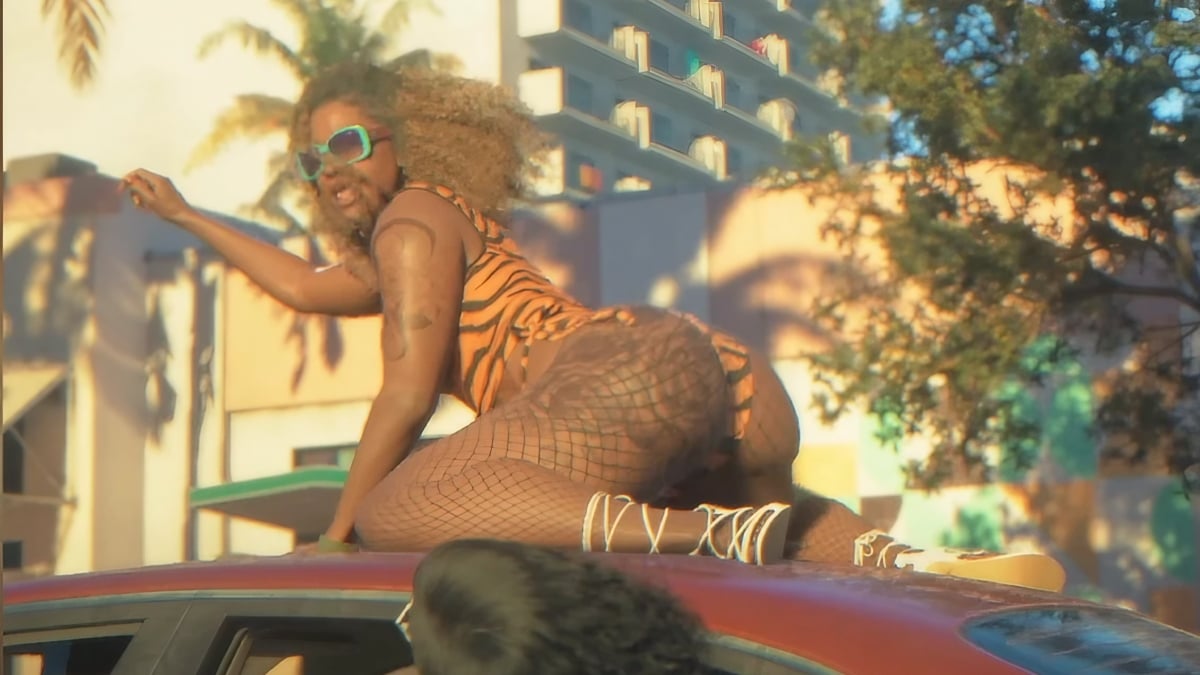
Some games can arguably justify that size. For example, a sprawling open-world like GTA is essentially building a ‘liveable’ crime drama stitched together from decades of movie tropes. The projected $1 billion cost for GTA 6, while still extreme, at least aligns with the series’ goal. It needs to convincingly sell that idea through elaborate set pieces and visual spectacles.
But not every project needs that kind of scope — nor that kind of guaranteed audience. Especially not for Skull and Bones, Suicide Squad, Marathon, or the next Call of Duty. And definitely not for untested trend-chasing experiments like Concord and Highguard.