
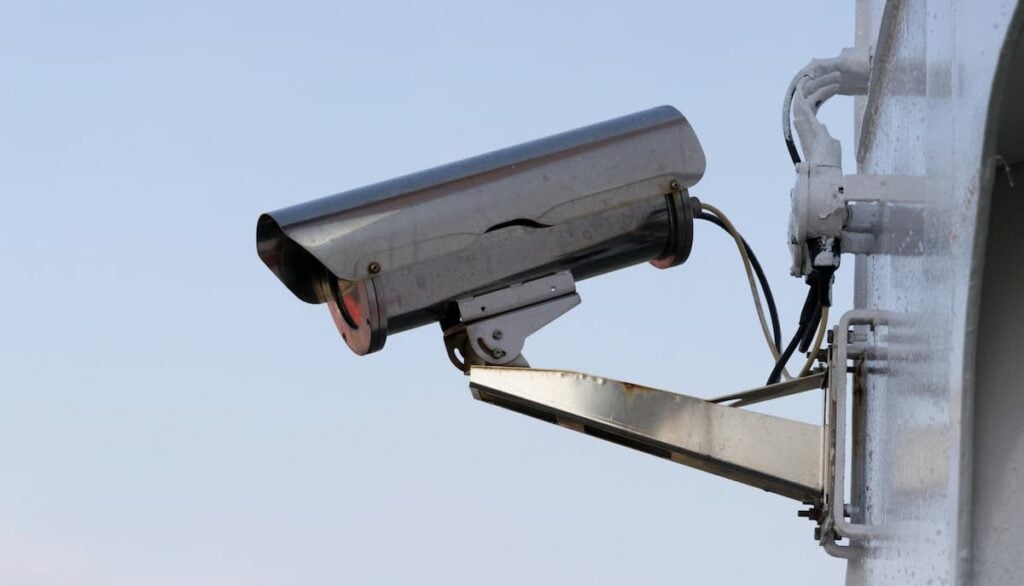
Denver’s decision to remove all 110 Flock Safety license plate reader cameras has locals in Colorado in a hot debate, as officials frame the move as a contractual endpoint. At the same time, residents question whether anything meaningful has actually changed.
The cameras were taken down after the city’s agreement with Flock expired in late 2025, according to local reporting. Automatic License Plate Reader systems, commonly known as ALPRs, have been used by law enforcement to track stolen vehicles, identify suspects, and support investigations. But concerns around privacy, data retention, and third-party access have followed the technology closely.
In neighboring Northglenn, Colorado, police are taking a different approach. The department recently launched a public transparency portal outlining how its own Flock cameras operate, emphasizing that the systems are not used for individual surveillance and are governed by strict data policies. The message is clear: the technology remains in play, even as scrutiny intensifies.
Locals Push Back as Axon Set to Operate New Cameras
That tension is reflected in community reaction. On Reddit, where Denver locals dissected the news, optimism was short-lived. “This isn’t a victory given they’re just changing companies,” one user wrote, referencing plans to transition toward Axon-owned surveillance systems at a reduced scale.
Others echoed the sentiment, arguing that the shift feels more cosmetic than substantive. “They’re just switching to a different company that does the same thing as Flock,” another commenter claimed, while a third added, “Same thing, different name.”
There is also confusion about the geographic scope of the change. Several residents were quick to point out that Denver’s decision does not extend beyond city limits. “You should know that this is only the Denver city limits,” one post noted. “I’ve seen these in the northern suburbs and seems like they’re not going away anytime soon.”
That observation aligns with Northglenn’s stance and similar reports from other municipalities like Longmont, suggesting a fragmented regional approach rather than a coordinated rollback.
Still, not all responses were cynical. Some welcomed the removal outright, even if cautiously. “Good,” one commenter wrote, while another argued that any replacement system should come with stricter safeguards, such as limiting data collection strictly to active investigations.

Privacy concerns remain the central fault line. Residents raised questions about how long data is stored, who can access it, and whether companies behind the technology share information with third parties. Even among those open to the concept, there is a consistent demand for tighter controls and clearer oversight.
For now, Denver’s camera removal marks a visible shift, but not necessarily a definitive one. As other Colorado cities double down on transparency efforts or continue deploying ALPR systems, the broader debate is far from settled.