
Denver’s new water restrictions are now live, and the public conversation around them is only getting louder. As new limits on outdoor watering take effect across the city, many residents say the rules (two-day watering schedules, midday bans, and fines for runoff) feel less like a solution and more like a misdirection. The frustration isn’t centered on the restrictions themselves, but on who they apply to.
“Happy to do our fair share, but trying to solve an issue by addressing 10% is BS,” one resident wrote angrily in a local Denver community forum.
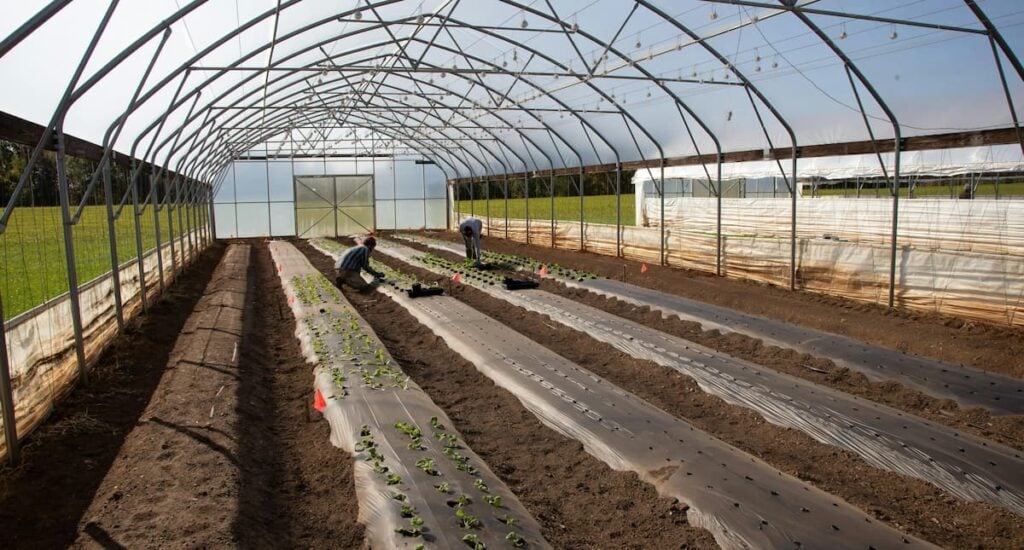
The numbers cited in these discussions are familiar by now. Agricultural use accounts for the vast majority of Colorado’s water consumption, often estimated as high as 80% to 90%, while residential outdoor watering makes up only a small fraction. For many, that imbalance makes the current approach feel disproportionate.
“Watering my tiny lawn… is a literal drop in the bucket compared to where most of the water is going,” another commenter added.
That tension is shaping how residents interpret even the most basic rules. Some restrictions, like avoiding watering during the hottest parts of the day, are widely seen as common sense rather than meaningful policy shifts.
“You shouldn’t water your lawn between 10 to 6—restrictions or not,” one user noted, pointing out that efficiency, not frequency, is often the bigger issue.
Others highlighted visible waste as a more immediate concern: broken sprinkler heads flooding sidewalks, systems running during peak heat, or water spraying for days without repair. In those cases, residents argue that enforcement would make a more tangible difference.
Still, the broader debate continues to circle back to agriculture. From alfalfa production tied to livestock feed to long-standing irrigation practices, many see farming as the central pressure point in Colorado’s water system, yet one that remains largely untouched by the kinds of restrictions now facing cities.
“Friendly reminder that 90% of Colorado’s consumed water goes to agriculture,” one commenter wrote. “So yeah, it’s about money, as always.”
That doesn’t mean there’s no room for shared responsibility. Some residents support drought-tolerant landscaping, smarter irrigation, and even policy changes targeting newer industrial users like data centers. But the prevailing view is that meaningful impact will require action at a much larger scale.

For now, though, the burden remains closest to home. And as Denver enters what could be a long, dry summer, the gap between individual restrictions and systemic change is becoming harder for residents to ignore.