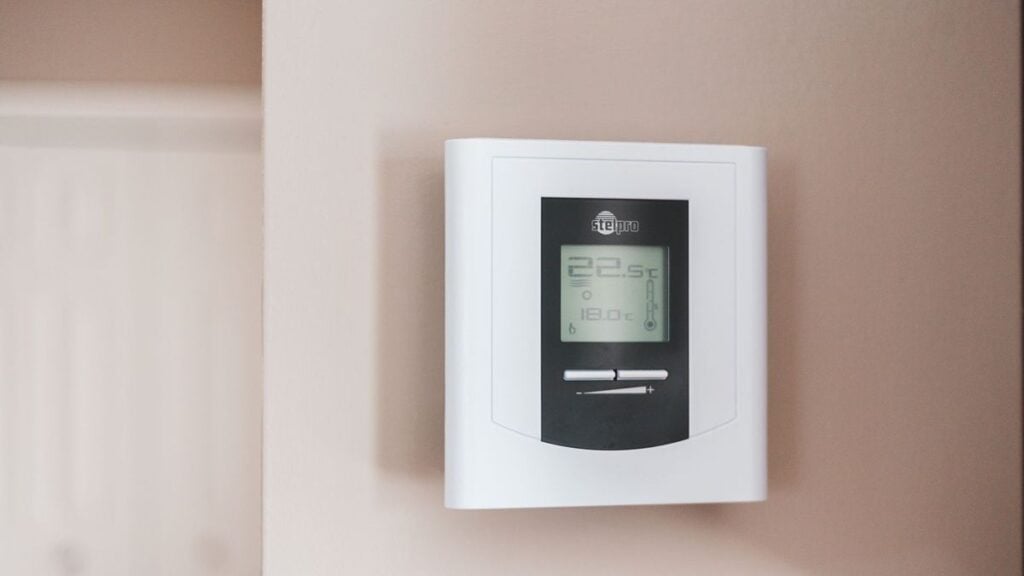
A woman in Colorado took to TikTok to complain about how frustrated she was when her smart air conditioner would not let her lower her thermostat temperature to what she wanted. Attaching a picture of the screen, which was stuck on 79, with a message saying she was prohibited from adjusting it, the woman shared that she was just about to put her daughter to sleep when she tried to lower the temperature. However, she got a message instead saying she couldn’t do that because the energy grid in that area was “stressed.”
The woman shared that although she completely understood why she could not reduce the thermostat at the time, she felt there should be a lenient opt-out feature, especially for sensitive neighborhoods or homes with babies or elderly people. As reported by 9News, the woman had enrolled in an Xcel program that allowed the utility to adjust customers’ air conditioning, especially during periods of high demand. They explained that the energy grid experienced its highest demand of the year during extreme heat, just as it had for a while, thereby stressing the grid.
The Internet Explodes Over Smart AC Lockout
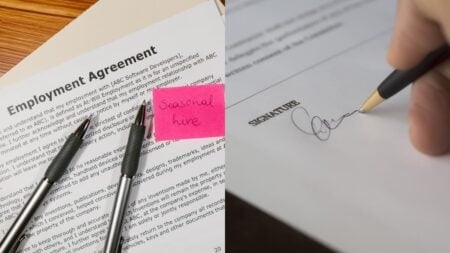
The clip triggered an intense online debate across social media platforms with users venting about government overreach, corporate control, and the hidden traps of smart technology. Some users gave warnings about the unread terms of service that often led to people falling prey to such things.
“You give an inch, they take a mile! Withdraw from the program,” a user advised, urging th woman to withdraw from the utility program immediately. Another user warned that utility companies and tech companies would eventually charge monthly subscription fees just to control home temperatures, thereby steadily depleting personal autonomy. A frustrated user accused the decision-makers of hypocrisy, arguing that those in power project the authoritarian behavior onto others while micromanaging people’s personal lives. Expressing firm opposition to government intervention in utility, a viewer bluntly rejected the concept of thermostat overrides. Offering an analytical point of view, a commenter wrote, “Always read the fine print. If she read the fine print, she would’ve seen the limiting section on the offer. I had this come up in my area; I hard-passed on it.” Another argued that there should be digital boundaries in their private living spaces. Offering a warning about slippery slopes, a user cautioned that the smart device restrictions were only the beginning. Another skeptical user tied the smart AC override to wider surveillance concerns.

Ultimately, the reaction to the clip highlights a growing anxiety surrounding wide surveillance and control overreach with big tech.