

Many of us consider the Nioh series to be almost perfect, and we say almost because one of the departments where it was lacking was co-op. Bringing a friend would always be a bit of a hassle and not that rewarding compared to playing solo. Fortunately, Nioh 3 has finally fixed the whole co-op experience, making it the best in the series, and one of the best in many games that feature challenging bosses, open field areas to explore, and even a story in between. Here, we’ll tell you how every aspect of co-op works and what restrictions this system has.
How To Unlock Co-Op in Nioh 3
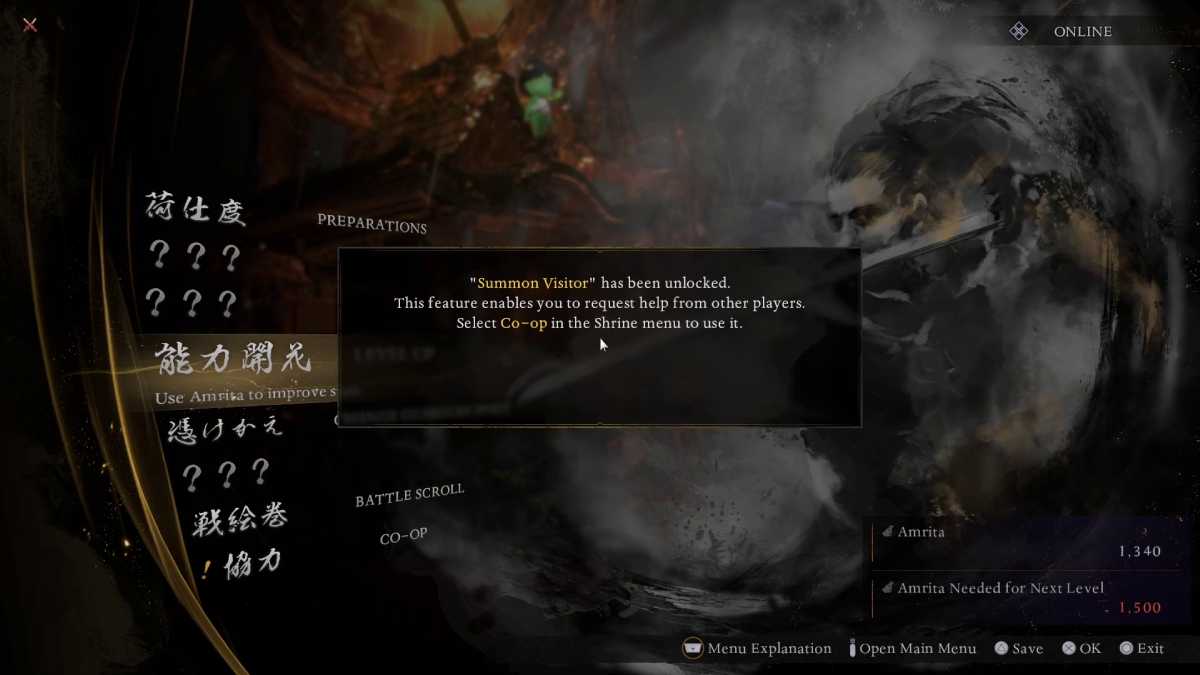
The co-op mode of Nioh 3 is quite deep, as it allows two different modes: expeditions and missions, both of which are unlocked in different parts of the game, albeit pretty quickly.
For missions, which are the first ones you’ll get, you need to progress through the game until you unlock the shrine right before fighting Yamagata Masakage, which is the first official boss after the tutorial. Here, the game lets you call in visitors to help you with the mission. For this part, you’ll only be able to summon a friend to help you with the boss. However, you’ll unlock the option to bring a friend to the story soon after.
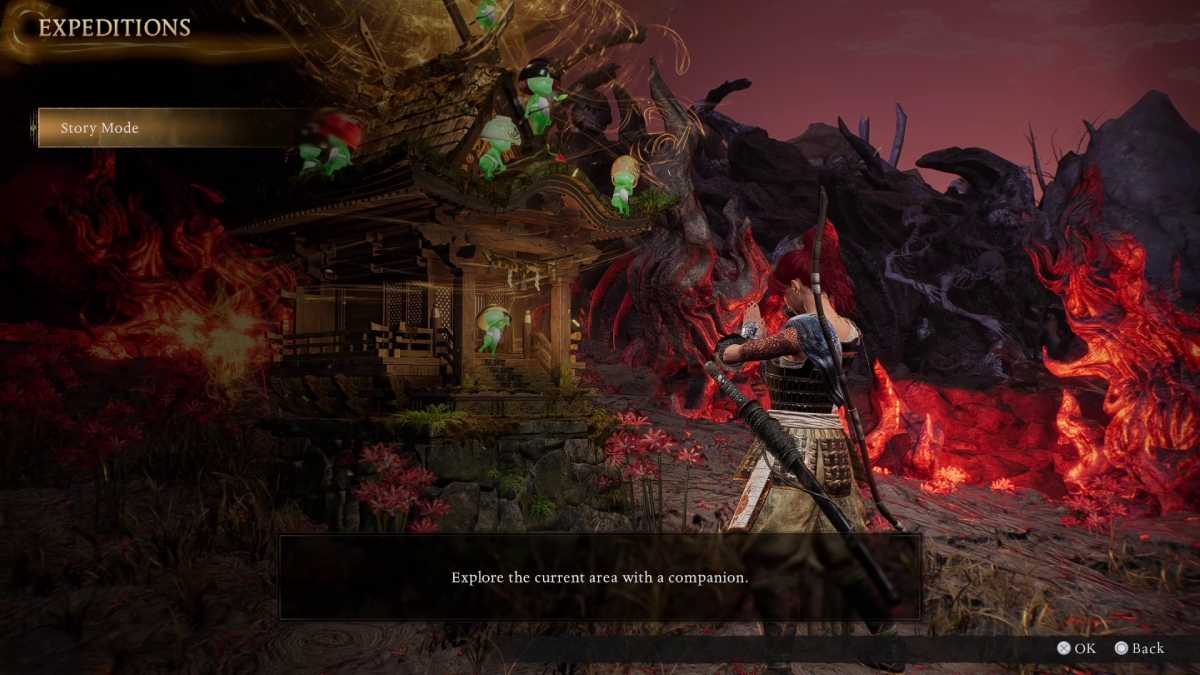
Once you defeat Yamagata Masakage and arrive at the first open field, you can start creating rooms at any shrine to invite players for an expedition. You’ll notice how one of the options says Story Mode. If you select that one, you can create your room, set up a password, and even specify what players can join your session. After that, you can bring other players to explore the world alongside you.
Differences Between Missions and Expeditions
This next part might be a bit convoluted for some players, but we need to explain it as it is of utmost importance when setting up a co-op session in Nioh 3. As we said, there are two types of co-op modes per se: missions and expeditions.
The former are smaller segments, akin to the levels of Nioh 2. You can unlock them by exploring the world, completing quests, or progressing through the story. Once you have them in your quest list, you can access them through the shrine and invite players to help you in this specific mission.
Expeditions, on the other hand, are your open field exploration sessions, where players can roam the land together, fight bosses, open chests, and raise exploration level. While this mode works much better than the ones we’ve seen in previous Nioh games or even Rise of the Ronin, there are still a few restrictions.
Co-Op Restrictions
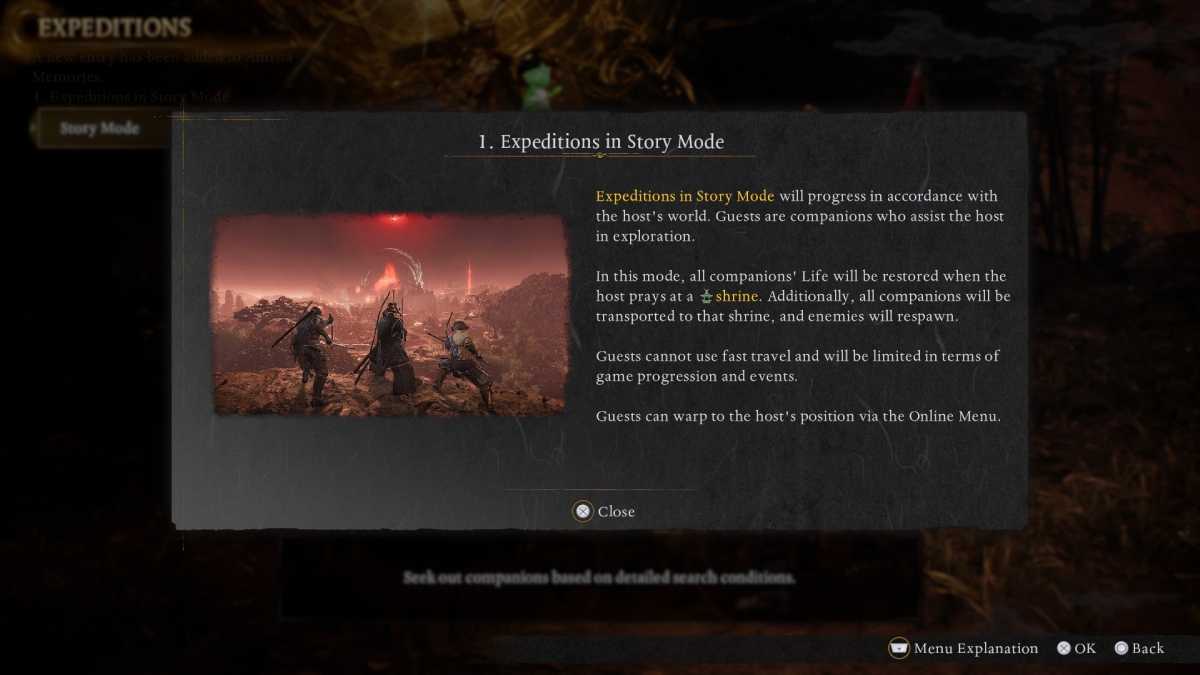
Expeditions have the most limitations, the biggest being that the host advances the story. Once you join as a guest, you can only progress through some areas if the host opens a door or triggers an encounter. Also, while everyone can use shrines, once the host activates one, everyone will be teleported to their location. Furthermore, it seems that you are only able to progress through some of the game’s events in your world, so keep that in mind when traveling to another person’s world.

Still, it seems that the co-op of Nioh 3 is extremely seamless, with players not getting kicked out after a cutscene and also being able to grab their instanced loot. One underwhelming part is that there isn’t a system that lets you exchange items with others, but that makes sense to avoid players from farming OP items from other visitors. Other than that, all co-op features are superb.