As metro Denver cities begin preparing mandatory limits on outdoor watering ahead of what could be a historically dry summer, a growing number of Colorado residents say officials are focusing on the wrong culprit.
Thornton became the first metro-area city last week to enact a Stage 1 drought declaration, limiting outdoor watering to twice a week beginning May 1. Other cities, including Denver and Aurora, are considering similar measures as Colorado enters spring with snowpack levels sitting at roughly 61% of the seasonal median.
As reported by DenverPost, Local water officials say the restrictions are a precaution. Despite reservoirs still holding between 80% and 83% of their capacity in some areas, the concern is that weak winter snowpack will leave supplies strained in the years ahead if dry conditions persist.
But in online community discussions, many residents argue that household water use represents only a tiny fraction of Colorado’s overall water consumption, and that policies targeting homeowners risk missing the bigger picture.
“Focus on the 90%, Not the 2%”
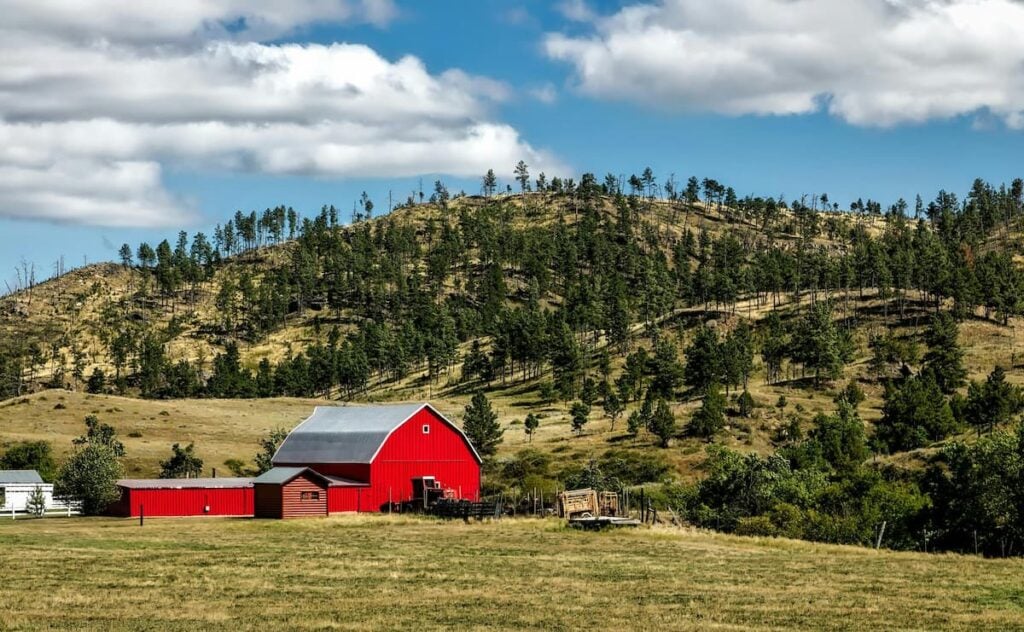
Much of the backlash centers on the role of agriculture in the state’s water economy.
As discussed over on Denver’s subreddit, several residents point to widely cited estimates suggesting that roughly 80% to 90% of Colorado’s water consumption goes toward agricultural use. By comparison, outdoor residential watering, such as lawns, gardens, and landscaping, accounts for only a small share.
“Home water usage is a negligible contributor to state water shortages,” one Denver-area resident wrote in an online discussion about the new restrictions.
Others echoed the sentiment, arguing that while conservation is important, focusing primarily on homeowners risks overstating the impact of domestic water use.
“Outdoor urban use is somewhere around 2–3% of total water consumption,” another commenter noted, referencing statewide estimates. “Even severe restrictions would only change overall use by a fraction of a percent.”
That disparity has become a focal point in the conversation. One participant summarized the frustration bluntly: “Why is the focus on what we do with the remaining 11%?”
Alfalfa, Cattle Feed, and a Desert Climate
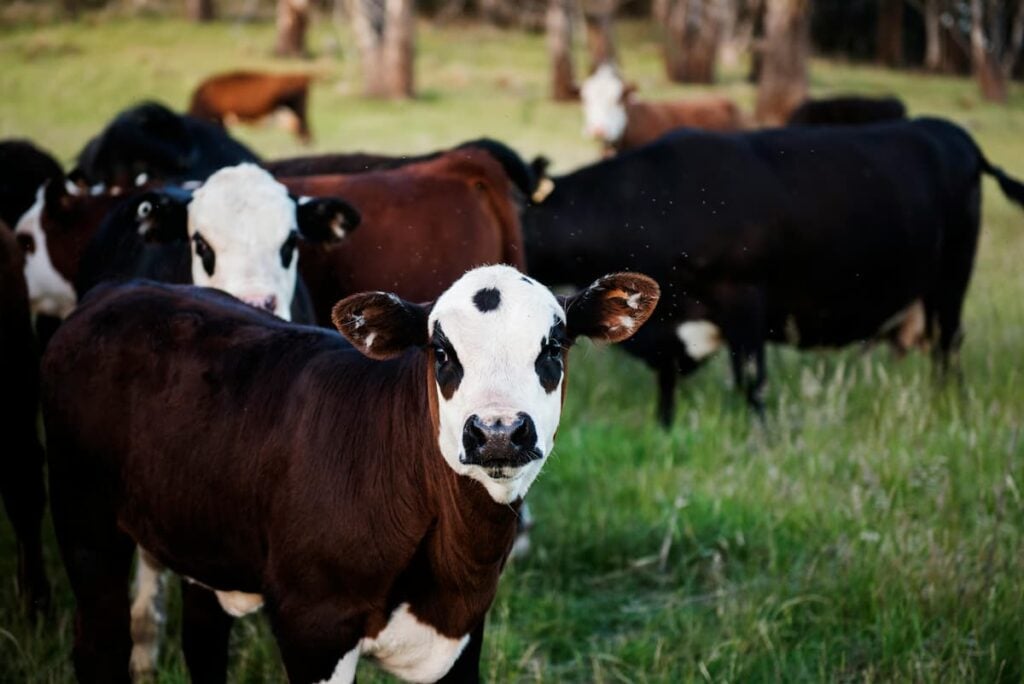
Among the most frequent targets of criticism is the cultivation of water-intensive crops; particularly, alfalfa, which is widely grown across the western United States as livestock feed.
Colorado residents point out that much of the water diverted from rivers such as the Colorado ultimately supports crops used to feed cattle, not direct human consumption.
“Stop taking nearly half of the Colorado River’s water for cattle feed,” one commenter argued, referencing commonly cited estimates of agricultural water use tied to livestock production.
Others questioned whether the region’s arid climate makes large-scale agriculture sustainable at all.
“There’s no reason to be growing cow feed in the desert so that we can export it,” another resident wrote. “That’s the real problem.”
Some commenters also highlighted irrigation practices. Although many farms have transitioned to more efficient systems like center-pivot irrigation, others still rely on flood irrigation methods that can use significant amounts of water.
Critics argue that modernizing agricultural irrigation, or reconsidering which crops are grown in the region, would have a far greater impact than limiting residential watering schedules.
A Debate Over Shared Responsibility
The debate reflects a tension across the American West as drought conditions persist across the Colorado River basin. Scientists estimate the region has been experiencing one of the worst long-term dry periods in at least 1,200 years. With reservoirs like Lake Powell receiving significantly less runoff than normal, water managers are increasingly looking for ways to stretch existing supplies.
For many Colorado residents, however, the conversation is shifting from whether conservation is necessary to how responsibility should be shared.
“Everyone should conserve,” one resident wrote. “But putting it all on residential users isn’t fair.”
As cities prepare for potential watering limits this summer, that argument about who should bear the burden of conservation may become an increasingly prominent part of Colorado’s ongoing water debate.