
Fortnite, the colorful battle royale, has been one of the gaming industry’s most reliable money printers for nearly a decade. It funded a lot of things, from Epic Games’ aggressive strategy to compete with Steam to various ambitious ‘metaverse’ events. But even after returning to Google and Apple’s storefronts, the hype machine appears to be cooling — fast. Epic now had to cut 20% of its workforce after Fortnite play hours slipped. This problem might stretch far beyond the game itself and bite Epic Store’s biggest perk: the free games program.
Epic Games announced in a blog post that it has laid off more than 1,000 out of its 5,000 employees across the company following last year’s downturn ‘in Fortnite engagement.’ CEO Tim Sweeney told staff the company had reached a financial breaking point.
“[…] We’re spending significantly more than we’re making, and we have to make major cuts to keep the company funded,” wrote Sweeney. “This layoff, together with over $500 million of identified cost savings in contracting, marketing, and closing some open roles puts us in a more stable place.”
Sweeney described the current industry climate as ‘unusually harsh,’ calling market conditions ‘the most extreme’ Epic has seen since the early days of its blockbuster shooter. He also emphasized that the layoffs are not related to AI use.
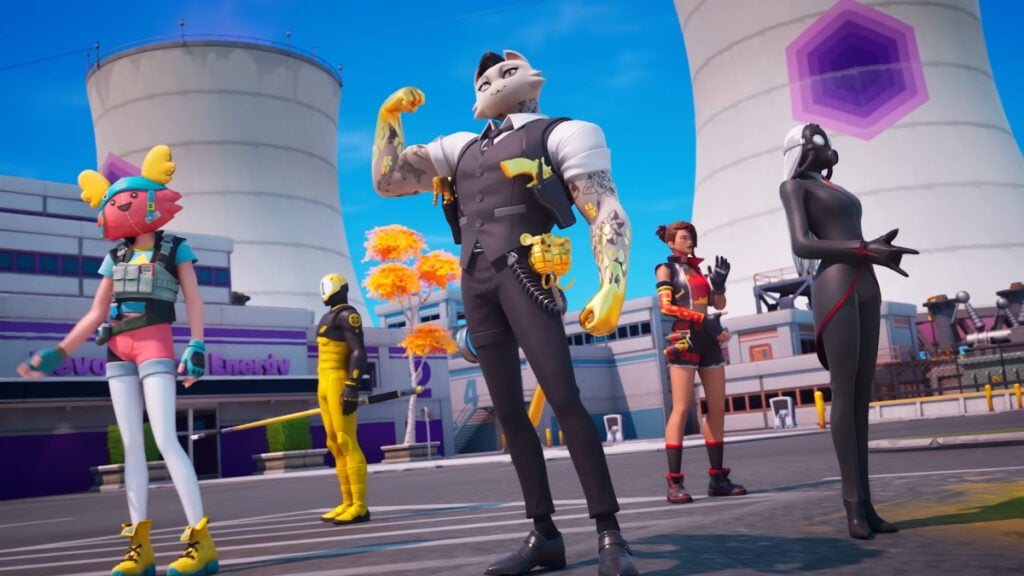
Bloomberg reported that the crossover-heavy battle royale still tops player charts on PlayStation and Xbox. However, average monthly playtime dropped from 21 hours to 16 hours year-over-year on PlayStation, or about 24%. Xbox users show a similar downward trend with a 21% drop in playtime.
The job reductions also come as Epic continues burning money elsewhere. During its legal scuffle with Apple, court documents revealed that the Epic Games Store has been operating at heavy losses for years. The company reportedly lost about $593 million throughout 2019 to 2021.

Those documents also showed how expensive Epic Store’s attempt to catch up to other digital storefronts has been. It committed around $444 million for exclusivity deals in 2020 alone, while also paying publishers millions to give away games. Reports said that Epic paid $1.5 million to offer the Batman Arkham collection for free, just one of its many examples.
If Epic is now cutting costs across the board, then the free game giveaway could end up on the chopping block, too. It has long been the store’s clearest advantage over Steam, but it also comes at a massive price — literally.