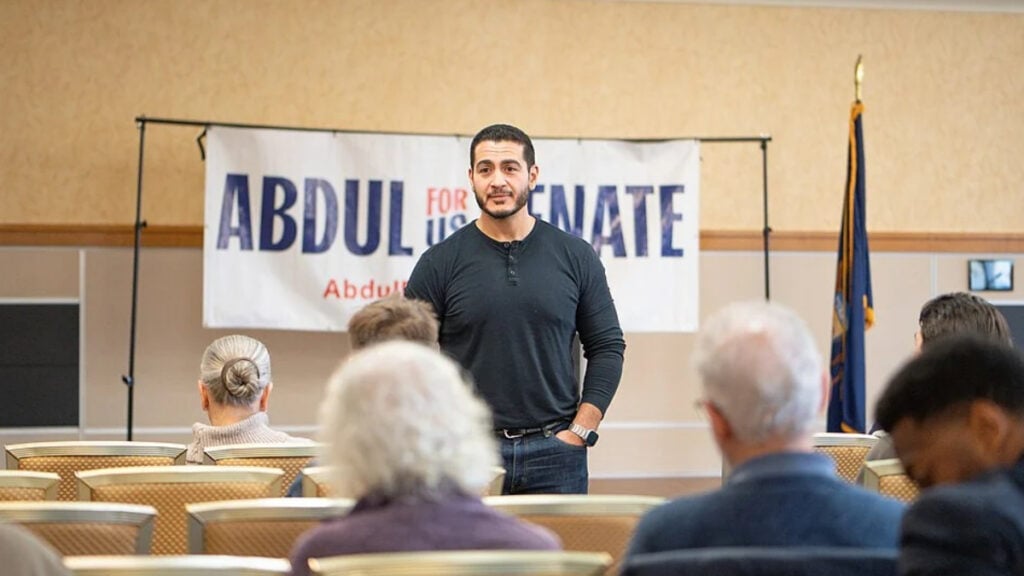
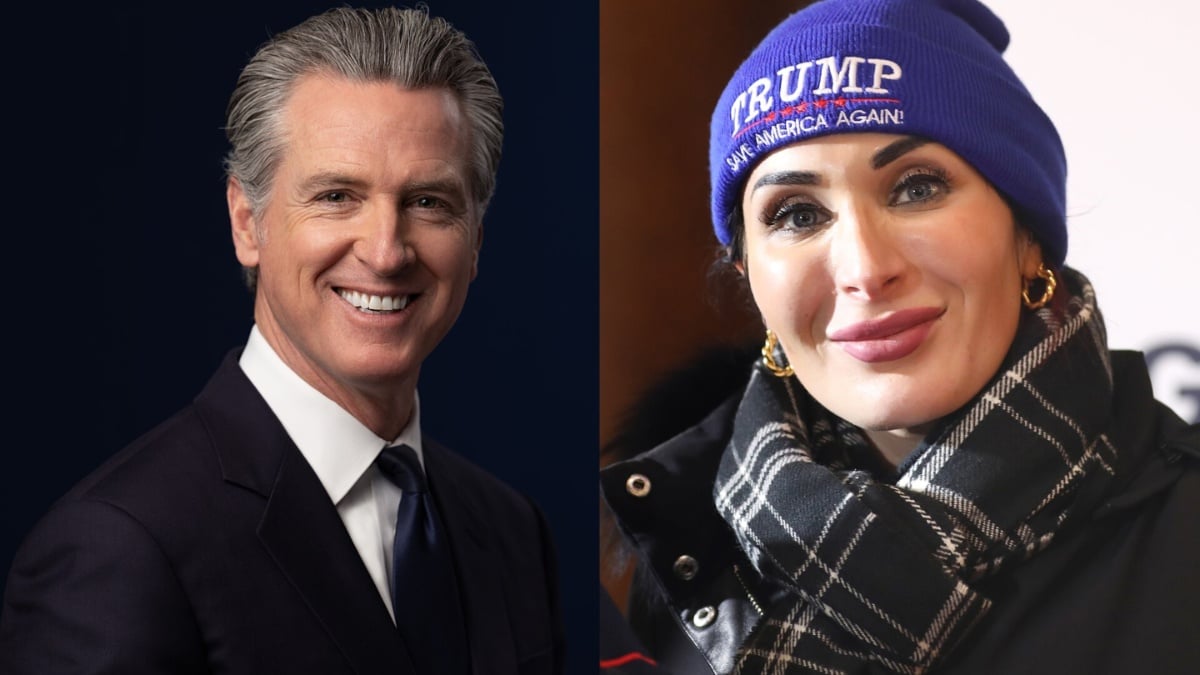
Political commentator Laura Loomer has sparked a heated discussion after criticizing Michigan politician Abdul El-Sayed over his reported plans to use a Quran while taking the oath of office. Her description of the religious gesture as a “mockery of America” prompted Americans to question why a Muslim politician’s choice of religious text should be treated differently from those of other elected officials.
Rather than sharing Loomer’s concerns, several commenters pointed to the Constitution’s protections for religious freedom and challenged her interpretation of American history. Others questioned why the use of a Quran would be controversial in a country where public officials have long practiced different religions.
Loomer took aim at El-Sayed in a post on X, claiming she had been warning people about his political ambitions and religious beliefs for years. She argued that his reported intention to take a Senate oath using a Quran was deliberately disrespectful toward the United States, while also directing personal insults at him.
Her criticism extended to El-Sayed’s suggestion that he might use a Quran once owned by Thomas Jefferson, which Loomer interpreted as a distortion of the former president’s intentions, writing, “Thomas Jefferson owned a Quran to better understand the barbarism of the Barbary pirates. Jefferson knew Islam was a threat which is why he read the Quran.“
The historical reference became an important part of the disagreement because Jefferson’s ownership of a Quran has often been discussed in connection with religious liberty in early America. Jefferson also authored the Virginia Statute for Religious Freedom, which helped establish the principle that religious belief should not determine a person’s civil rights.
The Constitution itself does not require elected officials to swear their oaths on a Bible or any other religious text, and Article VI prohibits religious tests for federal office. Consequently, the choice to use a Quran, Torah, Bible, or no religious book at all is distinct from the legal obligation to take the prescribed oath.
Comments and Reactions to Laura Loomer’s Remarks About Abdul El-Sayed
One commenter challenged Loomer’s interpretation of religious freedom by pointing to another politician’s use of a different religious text, writing, “Randy Fine was sworn in on the Torah, but this guy using the Qur’an is apparently the downfall of America. So freedom of religion comes with terms and conditions now?“
Others defended El-Sayed’s right to practice his religion without facing criticism over the book he might choose for a ceremonial oath. “Give the man whatever he wants it’s his religion. It’s what the country is built upon freedom of religion,” wrote another user.
Ultimately, the controversy has sparked a much wider debate about religious intolerance, constitutional freedoms, and what American history tells us about the right to practise one’s faith.