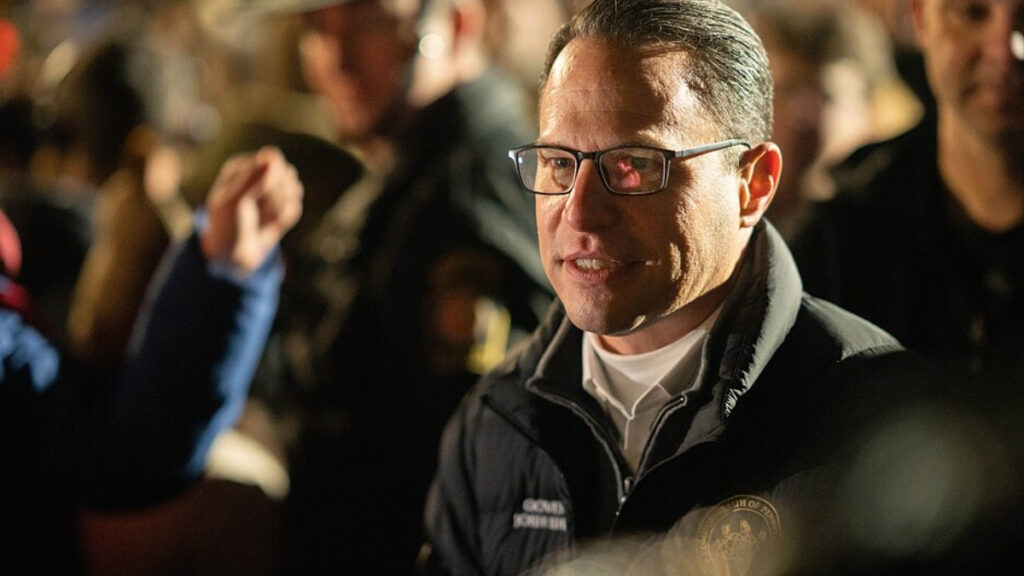
Pennsylvania Governor Josh Shapiro is facing fresh criticism after vowing to raise the state’s minimum wage to $15 an hour following the Democrats’ recent midterm election victories. With the party set to take control of the state legislature in January, Shapiro has pledged to make the increase a top priority. However, while he argues that hundreds of thousands of workers are struggling to survive on their current wages, critics fear the move could drive up consumer prices and threaten jobs.
The announcement has sparked a heated debate about affordability, with residents questioning whether higher wages would actually improve their financial situation. Some small business owners are particularly concerned about the potential consequences, warning that increased labor expenses could force them to raise prices, reduce staffing, or consider automation.
In the X post above, Shapiro writes, “Half a million workers in Pennsylvania still make less than $15 an hour — you can’t live off of that in 2026. Now, we’re finally able to change that.” He then follows that by saying that raising the minimum wage would be the first piece of legislation he signs when the new Democratic majority takes office in January.
Currently, the minimum wage in Pennsylvania is $7.25 an hour, matching the federal minimum wage that has remained unchanged since 2009. Shapiro has pushed for an increase as part of his broader economic agenda, arguing that workers should receive higher compensation as everyday living expenses continue to strain household budgets.
However, the proposal has raised concerns among business owners who operate on limited budgets and depend on lower-wage employees. One commenter who identified himself as a small business owner explained that roughly 10% of his workforce consists of high school students earning between $11 and $13 an hour, leaving him worried about the financial adjustments his business might need to make.
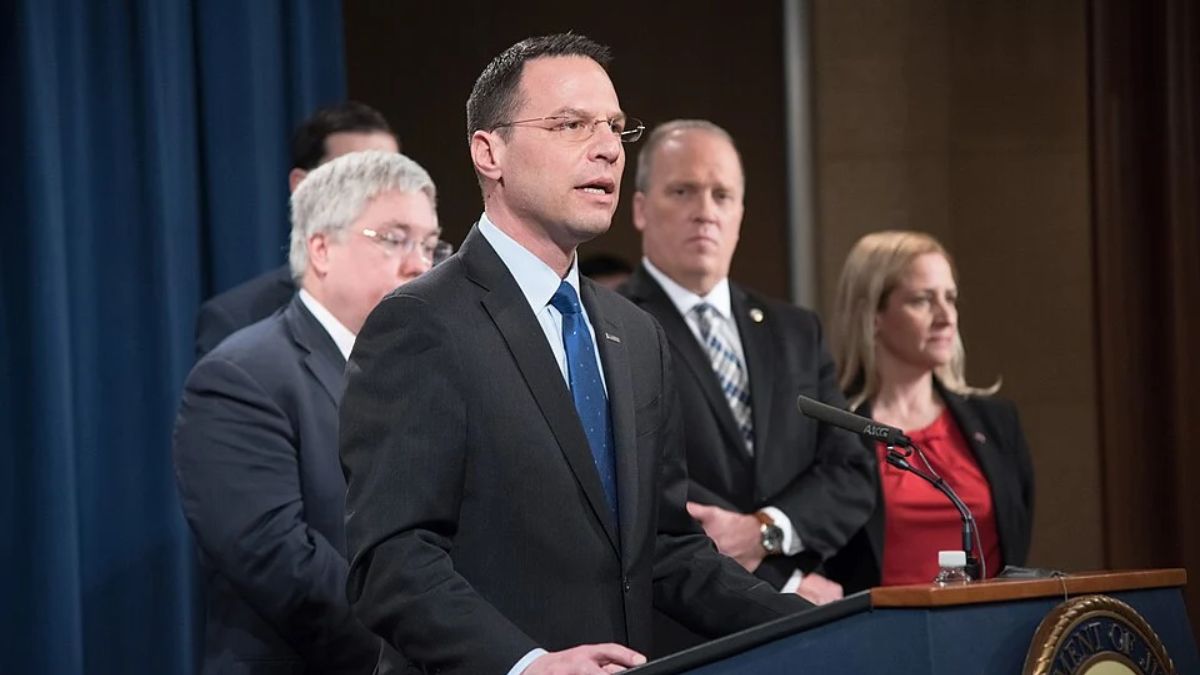
The disagreement reflects a broader debate over how minimum wage increases affect workers, businesses, and consumers. Supporters argue that the higher wages can improve financial security and increase spending power, while others warn that businesses may respond to additional labor costs by increasing prices, reducing employee hours, or limiting hiring.
Comments and Reactions to Josh Shapiro’s Minimum Wage Announcement
Several commenters expressed frustration over the possibility of higher grocery prices, questioning whether the policy would actually make Pennsylvania more affordable. “Most grocery stores make a 1% profit. Most grocery workers earn less than $15 an hour. Congratulations on increasing the cost of food,” wrote one user.
Other commenters questioned whether raising wages was the right approach when residents are already struggling with taxes and everyday expenses, with a different user writing, “Why not end income tax first thing that would put more money in peoples pockets?“
With Shapiro promising to make the $15 minimum wage a priority when the new legislature takes office in January, the debate is unlikely to die down anytime soon. While some Pennsylvania residents welcome the prospect of higher wages, others remain concerned about the potential impact on businesses, jobs, and everyday living costs.