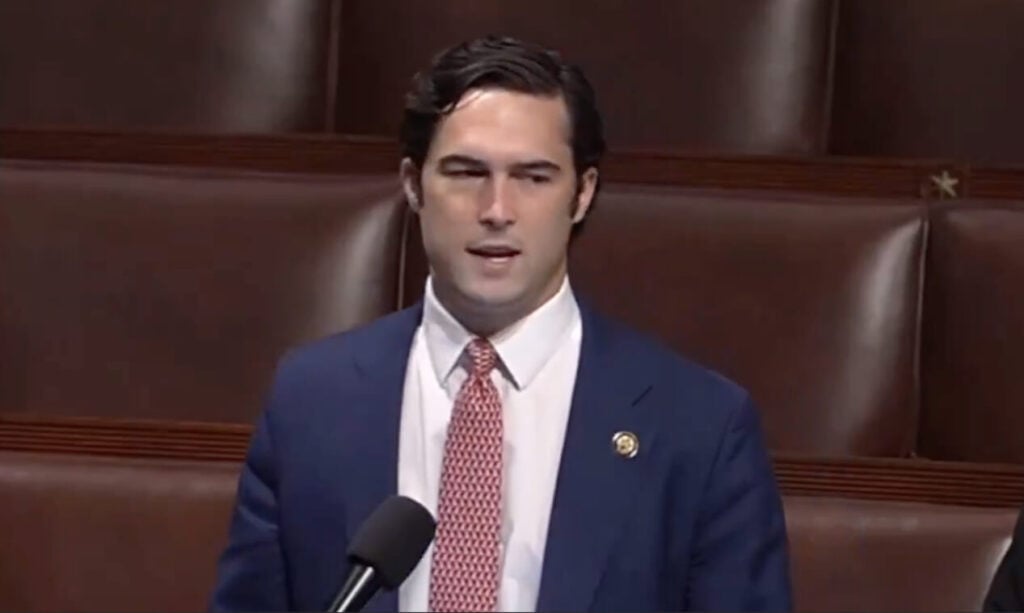
Texas Rep. Brandon Gill challenged BlackRock and Starbucks diversity programs during a congressional hearing. He questioned witness Mike Gonzalez about scholarship eligibility and corporate representation targets. The exchange circulated online and drew attention to corporate diversity policies.
Gill cited a BlackRock scholarship described as exclusively for a “diverse student.” He asked Gonzalez what “diverse” meant in that context.
Gonzalez said diversity should include people from varied backgrounds. He said the term often excludes Asian American and white participants.
Gill asked whether that practice was discriminatory. Gonzalez called it “discriminatory,” “illegal” and “immoral.”
Gill then cited a Starbucks training program limited to “black, indigenous, and peoples of color” employees. Gonzalez said the program was discriminatory and illegal.
Gill also cited Starbucks goals for BIPOC representation across corporate, retail and manufacturing roles. Gill said the targets sounded like a racial quota. Gonzalez described the quota as “illegal” and “immoral.”
Brandon Gill Faces Divided Reaction Over BlackRock and Starbucks Diversity Programs
Responses split over whether targeted diversity programs address established disparities or discriminate against excluded groups.
One user wrote, “Your home has a space specifically for ‘woman of Indian descent’. I personally don’t care but MY GOD you reek of hypocrisy and racism. I feel for your kids” Another response stated, “Every time someone says ‘diversity is discrimination,’ they quietly skip over why those programs were created in the first place.”
A separate commenter questioned, “Those are private companies? I thought y’all supported private enterprise lol.” Another added, “Diversity isn’t discrimination. It isn’t a threat to you.”

Others supported Gill’s criticism. One response stated, “It’s always been discrimination – liberals just wanted a pleasant word for it.” Another wrote, “Thank you for standing up for fairness and equality in the job market and the academic environment, Mr. Gill!”
The debate remains unresolved over whether the cited eligibility restrictions and representation targets violate discrimination laws.