Earlier this year, Texas expanded its Children’s Autism Program, extending eligibility to people up to age 21 and removing the yearly cap on therapy hours. Now, the state’s health agency wants to eliminate the program entirely, and parents who depend on it say they have nowhere else to turn.
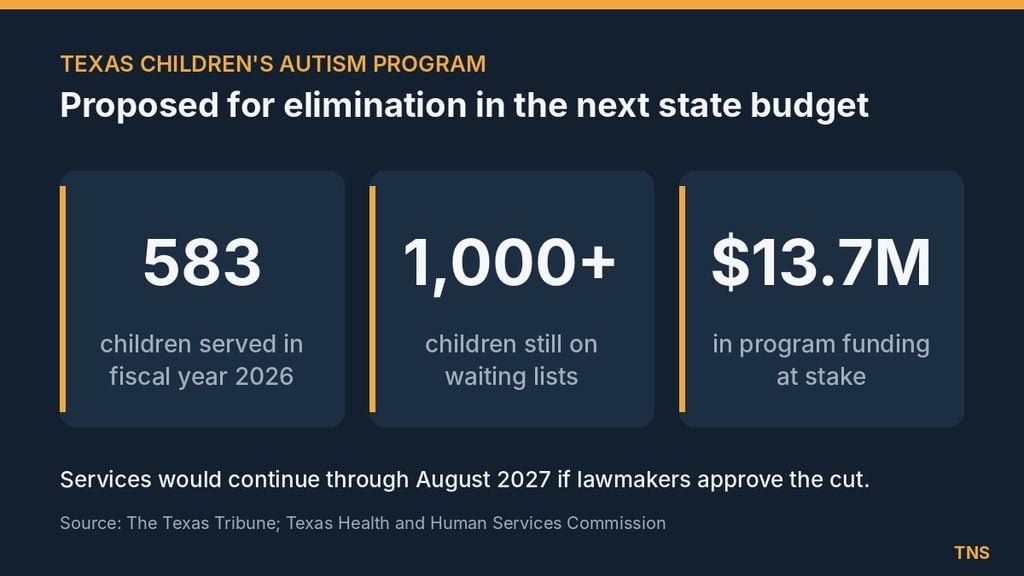
The Texas Health and Human Services Commission left the program out of its 2028 and 2029 budget request. Texas spent about $13.7 million on the program over the previous two years. The agency said its cuts focused on the “lowest direct service impact to clients.” But the program served 583 children in fiscal year 2026, and at least 1,000 more remain on waiting lists, according to The Texas Tribune.
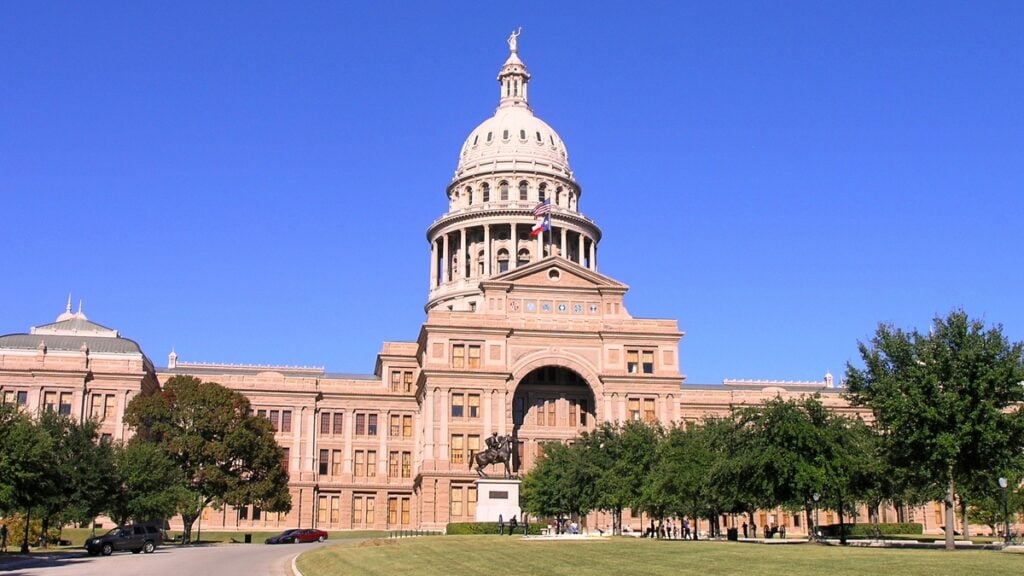
The proposal follows a July directive from Gov. Greg Abbott, Lt. Gov. Dan Patrick, and House Speaker Dustin Burrows ordering state agencies to cut spending by 3%. State lawmakers still need to approve the cuts.
Families and Providers Say There Is No Backup Plan
“You just feel like it’s all caving in on you,” parent Elizabeth Solis told The Texas Tribune. Jolene Pohl of the Coalition of Texans with Disabilities argued, “It would make more sense to increase the funding and get those kids off the waitlist.”
A center at the University of Houston-Clear Lake has about 200 families on its waitlist and cannot accept Medicaid or insurance. Its director, Dorothea Lerman, called the proposal “devastating,” adding, “There is no other option for the majority of them, and so they would basically have no services.”
Texas Medicaid has covered ABA therapy for people 20 and under since 2022, but advocates say that still leaves gaps for uninsured families and those in areas where providers are hard to find.
Texas Residents Slam Proposed Autism Program Cuts
The proposal has sparked anger among Texas residents on Reddit, and many of the reactions reviewed by The Nerd Stash took aim at state leaders. “Abbott is destroying Texas bit by bit!” one resident wrote, while another said, “This from the party that says they care about children.”
Others questioned whether the cut would save money at all. “Ignoring autism, like cutting educational programs, only saves money in the short-term,” one commenter argued. Another took a sarcastic approach: “If we eliminate the program then there will be no cases of autism in Texas.”
Not everyone opposed the proposal. One autistic commenter wrote, “Idk, as an autistic person who views ABA as largely harmful, I’m not so torn up by this.” A parent pushed back: “Aba has been fantastic for my kid. It’s the only reason he has any communication skills at all.”

If lawmakers approve the cut, services would continue through August 2027, giving families and providers less than two years to find another way to pay for therapy. The Texas Legislature will make the final decision when it writes the state’s next two-year budget.