Minnesota lawmakers say federal immigration agents tracked them, photographed their homes, and in some cases hurled insults. Across the state, residents are responding with a mix of anger disbelief.
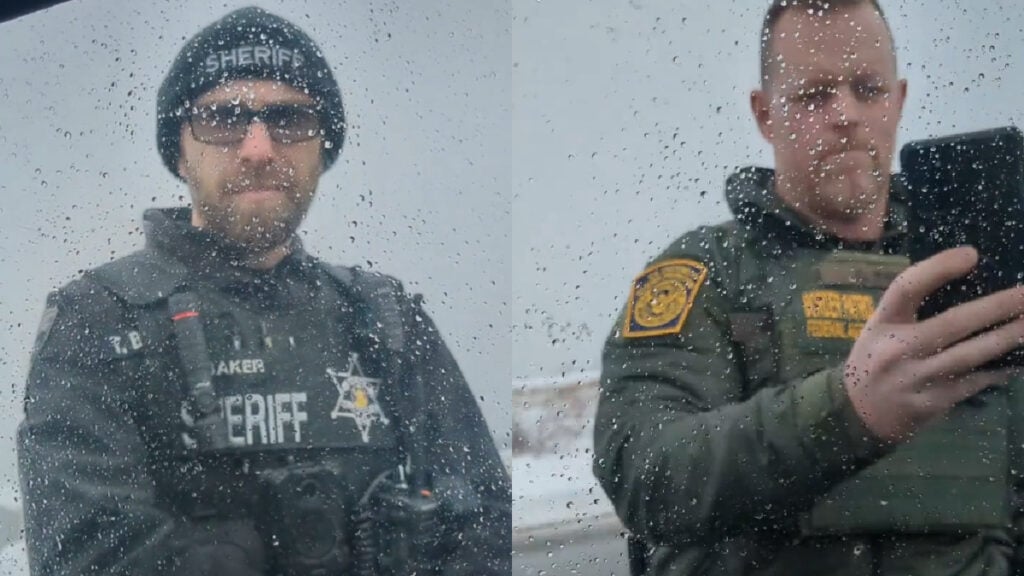
According to reporting from the Minnesota Star Tribune, DFL Rep. Brad Tabke had his license plate run by federal agents before an SUV later pulled up outside his Shakopee home in January. He says agents visibly photographed his house. The same sequence allegedly happened again in February, followed by repeated sightings of agents near his home.
Other Democratic lawmakers reported similar encounters during the Trump administration’s immigration surge. Sen. Lindsey Port said masked agents parked outside her house and took photos. Rep. Jessica Hanson said agents called her vulgar names after she identified herself as an elected official.
For many Minnesotans watching these accounts unfold online, the reaction has been one of outrage.
“It’s shocking what we’ve become,” one user wrote over on the Minnesota subreddit, capturing a sentiment echoed across hundreds of comments. Others went further, describing the reported behavior as intimidation tactics rather than standard enforcement.
“It was never about fraud and illegal immigration,” another user posted, suggesting broader political motives behind the surge.
The intensity of the response reflects how deeply the allegations have unsettled residents. Several commenters framed the situation as a fundamental breach of civil liberties, pointing to the idea that elected officials themselves were not immune.
“Individual liberty… used to be treated with the utmost respect. Now we’re cool with government agents tailing political opposition,” one user wrote.
Some reactions veered into stark historical comparisons or calls for sweeping consequences, underscoring how quickly the discourse has escalated. Others focused on what they see as a failure of accountability, with one commenter bluntly calling agents a “terrorist group.”
Not everyone agrees on the cause. Minnesota Republicans have pushed back, arguing that Democratic rhetoric and organized tracking of ICE agents contributed to tensions during the surge. GOP lawmakers have also raised concerns about the safety of federal officers, with some describing observer networks as dangerous.
Still, the online reaction suggests that for many residents, the core issue is less about policy and more about perceived overreach.
“This should be a bigger deal,” one user wrote, pointing to recent political violence and warning that the situation risks further escalation if left unchecked.
At the Capitol, DFL lawmakers are now attempting to respond with legislation, including proposals to require federal agents to unmask and to allow lawsuits over alleged civil rights violations. Those efforts face an uncertain future in a divided legislature.

Meanwhile, the public conversation continues to intensify. If anything is clear from Minnesota’s online reaction, it is that the allegations have struck a nerve that extends far beyond party lines, raising broader questions about power, accountability, and how far enforcement should go.