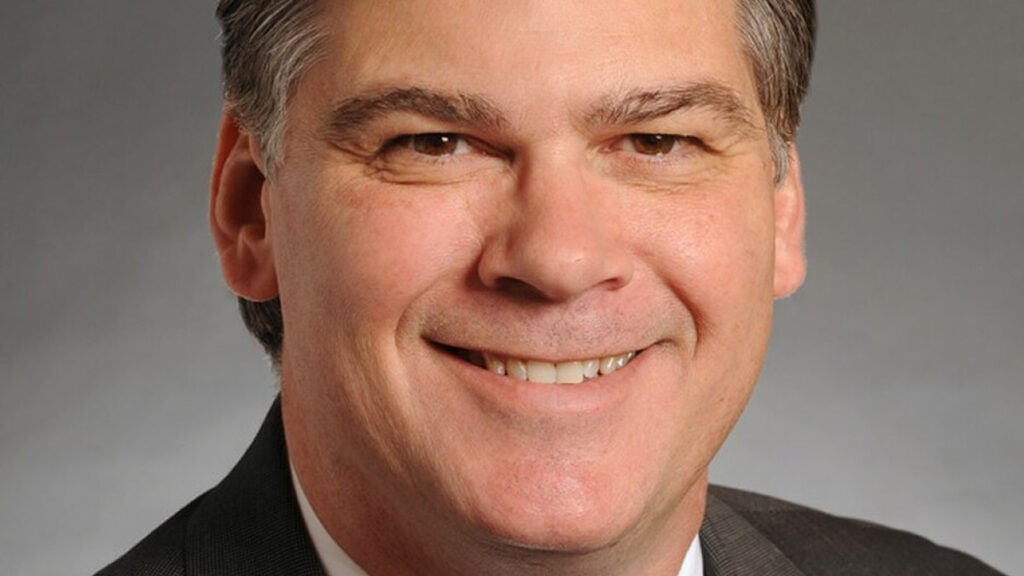
Republican congressional candidate Eric Pratt is facing criticism after an unusual instruction appeared on his Minnesota campaign website, advising his team to focus on local issues rather than President Donald Trump. The sentence, featured in a section outlining Pratt’s campaign strategy, quickly drew attention online and raised questions about how his campaign plans to appeal to voters ahead of the November midterm elections.
The message was first reported by MeidasTouch after appearing in the “Pratt Playbook” section of his website. It read, “The President is not popular, so all messaging should be focused on local politics and needs.” The page has since been updated, and the instruction is no longer visible.
Eric Pratt is running for Minnesota’s 2nd Congressional District, currently represented by Democratic Rep. Angie Craig, who is campaigning for a seat in the U.S. Senate. His campaign website highlights affordability, accountability and safe communities. The instruction attracted attention because it urged the campaign to focus on local issues rather than Trump.
However, the wording does not establish whether an AI tool was involved or whether the sentence came from an outside political adviser. There is also no confirmation that Pratt’s campaign formally adopted the recommendation. With the text removed, the website now presents the campaign’s stated priorities without the unusual guidance about the president.
Minnesota Campaign’s Trump Message Gets Mocked
The post quickly drew ridicule, with commenters wondering how such an awkward message ended up on a Minnesota campaign website. “If this is real, it’s completely hilarious and unhinged,” one user wrote.
Others thought it was a bad look for Pratt, whether the wording came from AI or a political adviser. One commenter suggested it could have been an email from a strategist that someone on the campaign team simply copied and pasted onto the website. Either way, they felt the campaign should have caught the mistake before it went public.
Some commenters questioned whether Pratt had clear positions of his own if his team needed outside help figuring out what to say to voters. Others used the incident to take a broader swipe at politicians, accusing them of chasing power and status instead of serving the public.
The fact that the sentence later disappeared from the website gave people another reason to talk about it. Users pointed to archived versions of the page to show that the wording had been there, while others laughed at the campaign’s apparent attempt to keep the focus on local issues rather than Trump.
Not everyone thought the blunder would hurt Pratt in Minnesota, though. One commenter argued that people who already planned to vote for him probably would not hear about the controversy, let alone change their minds over it.
For a campaign hoping to keep the focus on local issues, Pratt’s website briefly gave people something else to talk about.