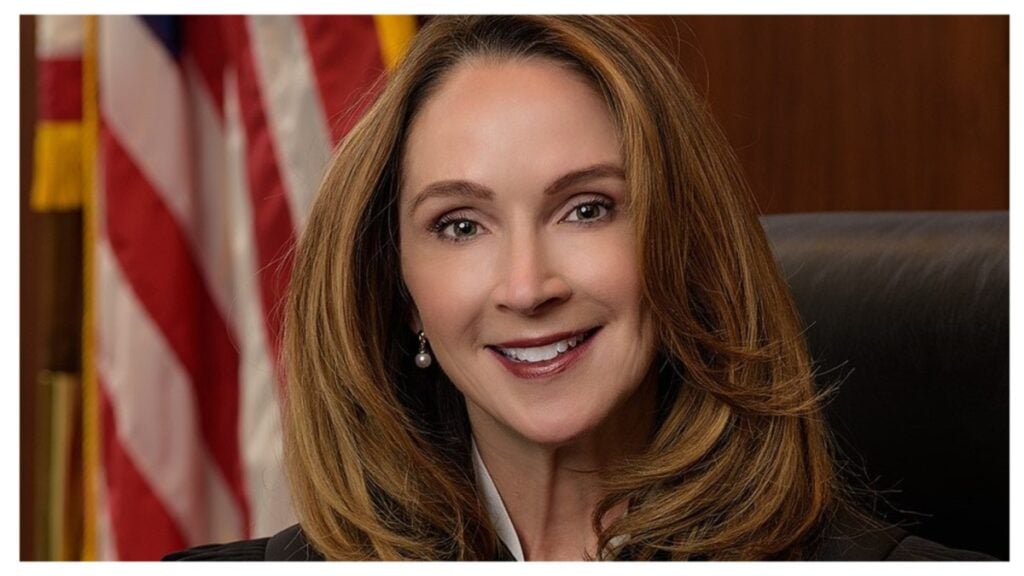
Minnesota Judge Nancy Brasel sentenced Zamzam Jama to six months in prison for stealing $5.6 million through the state’s Feed Our Future program. The ruling, delivered in Minneapolis, is drawing widespread attention for what many online call an unusually light punishment in one of the state’s largest fraud cases.
The backlash was sparked by a post on X from user @Rightanglenews highlighting that Minnesota Judge Nancy Brasel had sentenced Zamzam Jama to six months in prison for a $5.6 million fraud connected to the state’s Feed Our Future program. As the post went viral on the site, users expressed anger and astonishment, with many saying the sentence reinforced fears that punishments are too soft in big-money crime settlements.
According to the post, Jama’s conviction was tied to the misuse of federal pandemic relief funds intended to provide meals for low-income children. The sentencing took place just a day after Judge Brasel issued a one-year prison term to another defendant in a separate but related case. It is not clear from the report whether prosecutors plan to appeal or seek additional penalties.
The short sentence stands out given the scale of the fraud, which federal investigators described as one of the largest pandemic-related fraud cases uncovered in Minnesota. The post does not include statements from Jama’s defense team or federal prosecutors, and no comment from the court has been widely circulated online.
Public Reactions to Zamzam Jama’s Six-Month Sentence
The post immediately caused a lot of discussion on X. Some visitors were surprised by the brevity of the sentence. One of them exclaimed, “Can you seriously fathom stealing $5.6 million and only going to jail for six months?” A different user commented, ‘Crime Pays Better Than a 9‑5.’ Still others merely stated that this was “not okay.”
Another set of individuals resented the decision and blamed the judges instead. One of the comments read, “Until these activist judges are impeached, prosecuted, and slapped in handcuffs, nothing will ever change,” and another one said, “Judges need to be held accountable. How many times are we going to keep seeing this before something actually changes?”
Some users redirected the discussion to federal jurisdiction. One user posted: “Maybe they could be tried federally.” Another commented that agencies should interfere: “Get FINCEN and the IRS involved. Check for wire transfers, big purchases, something doesn’t add up.”
The sentence has received widespread media coverage, with many noting a sharp dissonance between the amount of the fraud and the length of the sentence. Several are using the case to discuss broader concerns and dissatisfaction about the punishment of individuals committing white-collar crimes with taxpayer money.
It is still uncertain if the sentence prompted any additional reconsideration or action. The story is still being shared online, where debates about equity and responsibility around large-scale fraud continue to take place.