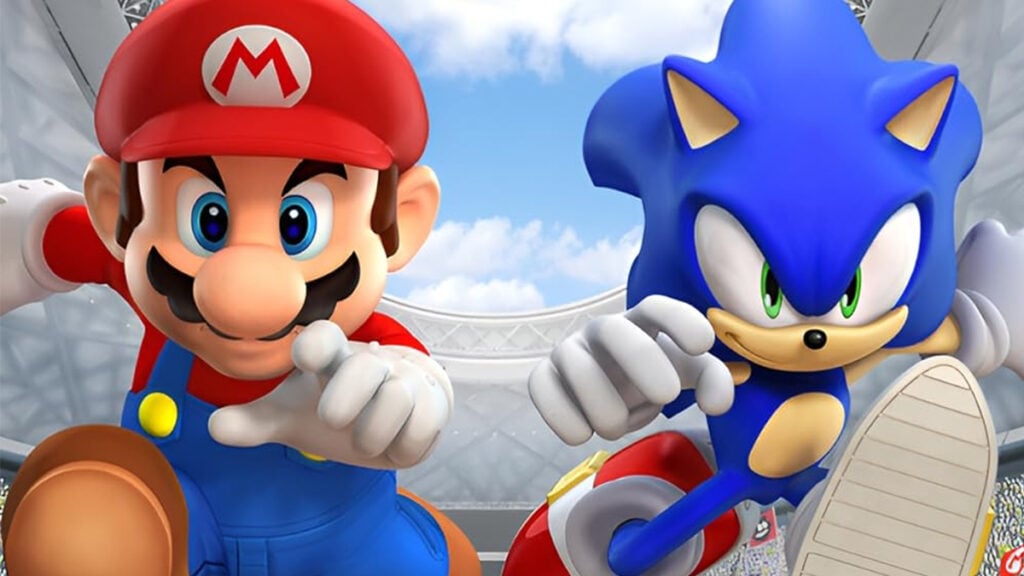
Today, seeing the Red Plumber and Blue Blur standing side by side barely registers as news. But rewind to the 1990s, and the idea of the two mascots fighting and running together would’ve been unthinkable. Now, decades later, with Sonic no longer matching Mario’s cultural weight, Nintendo appears to have held the upper hand, especially in crossover events. According to a former SEGA producer, even the smallest details of how Mario and Sonic appeared together were carefully scrutinized — right down to which character’s foot stood in front.
That little part of gaming history comes from Ryoichi Hasegawa, the former Crazy Taxi port producer, who spoke about his experiences in an interview with the Arcade Attack Retro Gaming Network. Hasegawa worked at SEGA from 1992 to 1998, then returned between 2007 and 2012, giving him a front-row seat to the two different eras. Both when Mario and Sonic were rivals, and when they finally began sharing the same box art.
“Collaboration of characters is pretty common now,” Hasegawa said. “But back then that was like, oh my God. That was a big thing.”
“But yeah, there was one funny story. So, you know, like, artwork of Mario and Sonic and, other characters standing on the field. And those artworks were used for the package. The manual instruction, manual cover and the cartridge label and things like that. There was one small error,” Hasegawa recalled.
“Sonic’s foot was in front of Mario’s foot, and Nintendo demanded us to change the priority. So Mario had to be slightly ahead.”
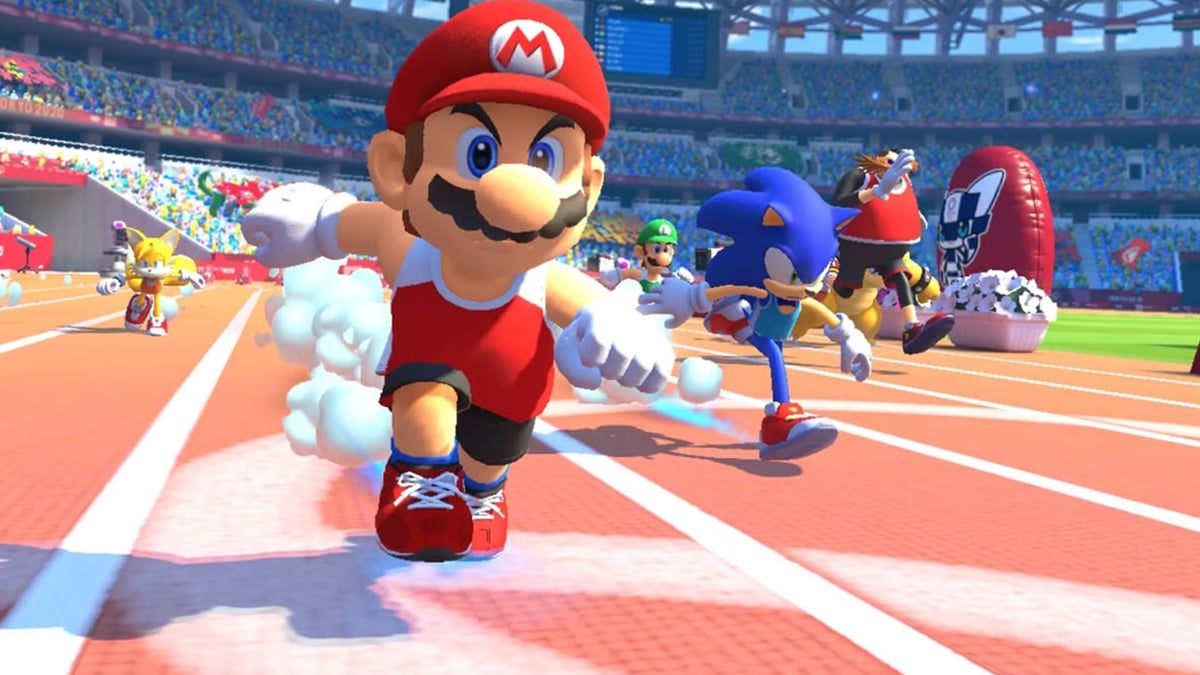
What’s more, according to the former localization producer, the request wasn’t optional. “We were like, ‘Oh my God, we have to change it or, you know, there will be no deal.” He added that the artwork was ultimately revised for the actual release.
Hasegawa also stated that the Mario & Sonic at the Beijing Olympic Games collaboration was one of the most challenging projects he worked on at SEGA. However, this time, it’s not because of Nintendo’s prying eyes. Instead, it was largely due to the approval process with the International Olympic Committee regarding the usage of symbols, terminologies, and the like.
“Those were extremely stressful moment because they don’t reply to you quickly. Like you send, you know, all those materials to them. And seven days later they came up with like, ‘Hey, you know, you need to change this, change that.’ But you could have said that on day one!”
“Getting an approval from IOC is, you know, one hell of an experience,” he added.
Beyond project challenges, Hasegawa noted how different Nintendo’s corporate culture felt compared to SEGA’s — and even other Japanese game developers. During visits to Nintendo’s headquarters for final approvals, he was struck by how formal the environment was.
“To my surprise, everyone, even the developers and the programmers, you know, they wore suit. […] When you are at the entrance, you cannot tell, that [this] is the entrance of a video game company. And when you are led to the meeting room, there […] were just, it has very nice, couches and gorgeous carpet and some nice paintings. But no, nothing video game-related.”
“So I was like, wow, the culture is completely different,” reminisced Hasegawa a bit shocked. To hear the full discussion about how Nintendo controlled Mario’s rivalries with Sonic, the part of the interview starts at the 56:22 mark in the video above.