California authorities have dismantled a major hospice fraud ring in Los Angeles that allegedly defrauded the state’s Medi-Cal program of $267 million using stolen identities.
Attorney General Rob Bonta announced charges against 21 people on Thursday, with five arrests made so far and more than $750,000 in cash recovered. No actual hospice services were provided to patients.
The case has drawn widespread attention online, with many questioning how the scheme went undetected for so long and what it reveals about oversight of taxpayer-funded programs.
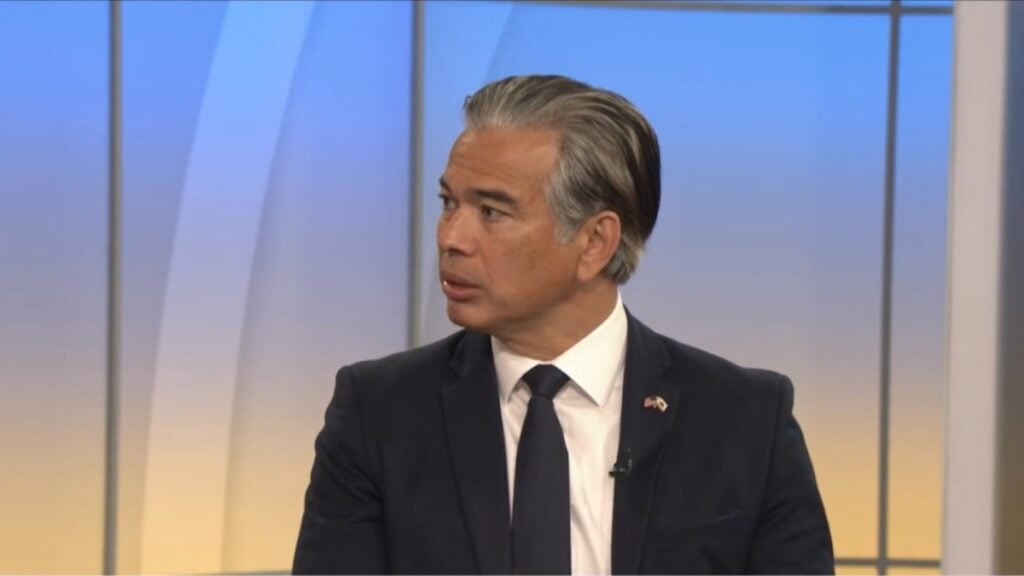
The post, shared on X by the account @WallStreetApes, features a news segment from ABC San Francisco highlighting a major fraud investigation in California.
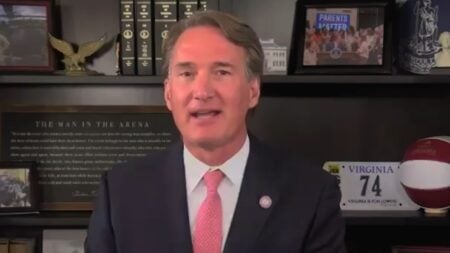
ABC7 reports on a press conference where California Attorney General Rob Bonta announced the results of “Operation Skip Trace.” The footage shows officials detailing how a network of 14 fraudulent hospice companies billed Medi-Cal for services that were never provided. The video does not show the suspects or any patient interactions.
According to state officials, the scheme used stolen identities — many belonging to non-California residents obtained from the dark web — to enroll people in Medi-Cal and submit $267 million in false claims. Authorities executed searches at multiple Southern California locations, arrested five people so far, and seized more than $750,000 in cash along with two handguns. Charges against 21 individuals include health care fraud, conspiracy, money laundering, and identity theft.
Online Reactions to the California Hospice Fraud Announcement
Some users were giving private investigators the merit for advancing the case, with one saying: “So Nick Shirley does all the hard work and these ‘officials’ swoop in and claim victory. Where was the action before Nick’s investigation?”
Some critics found issues with the timing and the lack of oversight, with one commenting: “They have this huge news conference as if they’ve won a prize or what, and NOT ONE single reporter asked the most obvious question, how the hell did you reach a quarter of a billion and nobody caught on?”
Several expressed skepticism about the bust’s impact, with comments such as: “So they shutter one operation in L.A., recovering 0.002% of the stolen funds and crow about it. There are 58 counties in California — they’ve got a long way to go.” Another added: “Probably a tiny bit of the fraud, too. Where are the arrests, though? They need to show us who stole this money.”
A few pointed out the broader pattern, stating, “Hospice fraud runs in every state with Medicaid billing. Texas, Florida, and Illinois have had identical cases. Treating this as uniquely Californian is a framing choice, not a fact.”
The case is remarkable because of the large dollar amount stolen in a single heist, and the vigorous public debate over how such a massive fraud could remain undetected for years.
The case continues to spark debate on X about how difficult it is to prevent such massive fraud in U.S. government healthcare programs. As prosecutions move forward, many will be waiting to see if this bust results in systemic change or if it is an isolated incident.