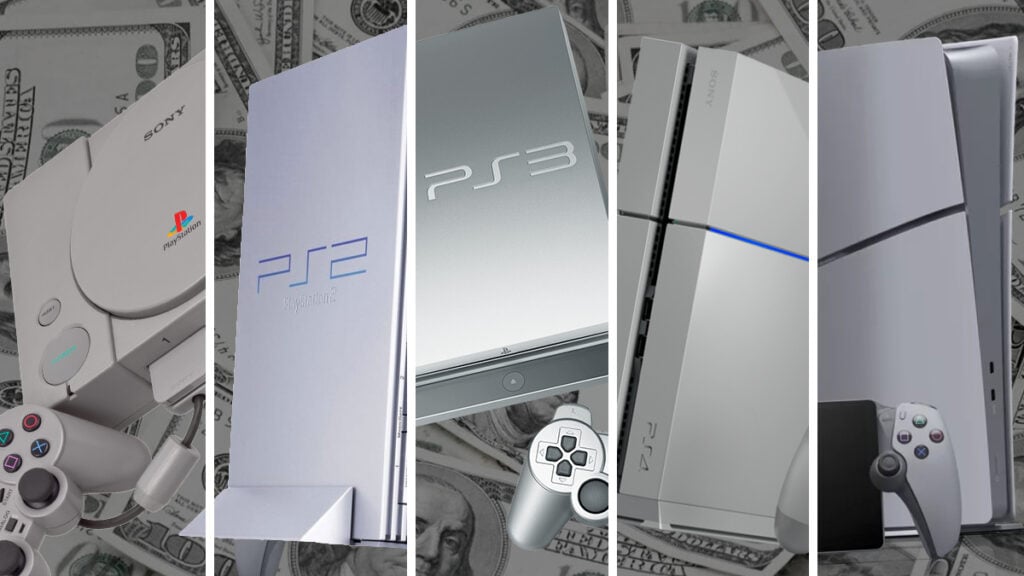
Recently, in an interview with Bloomberg, Sony CEO Hiroki Totoki reiterated the company’s plan, saying, “The best place to play from the user’s perspective, and at the same time, the best place to publish.” On paper, that sounds like the usual corporate jargon. In practice, though, it may actually signal something bigger. Especially as Sony reportedly leans harder into AAA exclusives again and a unified subscription service heading into the PlayStation 6.
However, with the volatile chip prices, many expect the PS6 launch to be pushed back beyond 2028. Worse, analysts like Michael Patcher argued that next-gen consoles will be sold at a $1,000 price point. Truly, gamers’ wallets are the most oppressed group of all.
If that happens, Sony’s push for the ‘best place to play’ may also turn PlayStation into the most expensive place to play. If that sounds familiar, it should. Because I am sure we’ve seen this story before.
A Massive Damage to Gamers’ Wallets
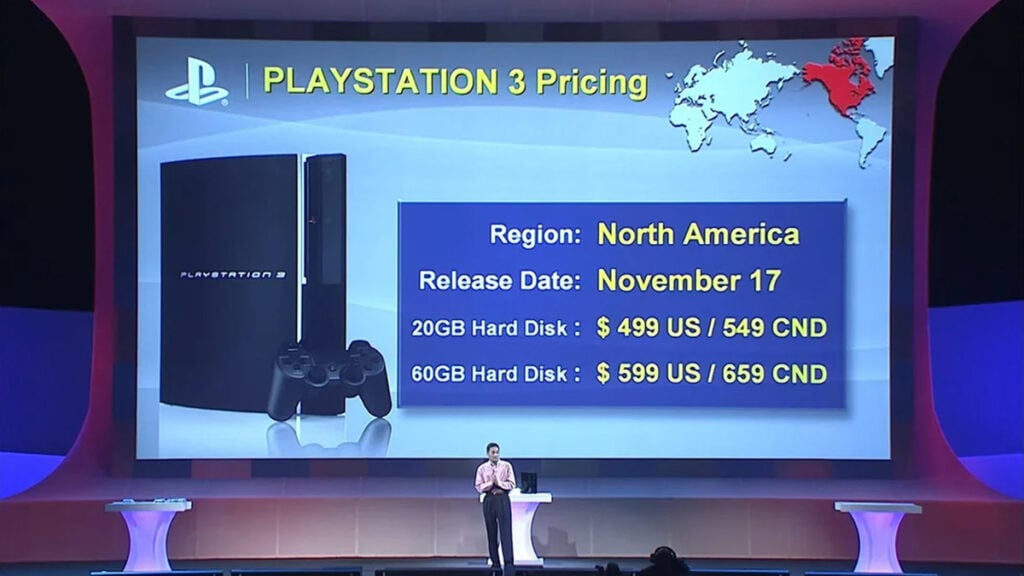
Let’s take a trip back to memory lane for a moment. Back to 2006, when the PS3 launched at $599 — and was widely considered a huge shock at the time. The reveal turned into a meme overnight, giving way for the Xbox 360 to dominate the gaming conversation for the whole generation.
It was such a massive contrast to the PS2, which offered an economical alternative to standard DVD players with additional features. Sony bet big on premium, cutting-edge technology with the PS3 — from Blu-ray to the Cell processor — but the price comes at a massive cost. It took years, redesigns, and price cuts for Sony to eventually recover at the tail end of the seventh generation.
At $1,000, the PS6 would be taking a very similar risk. The higher the entry cost, the more PlayStation shifts from mass-market entertainment toward a premium hobby. It’s like taking a Ferrari 488 instead of a Honda Civic when you’re going to a yard sale.
The AAA business model itself has become ‘unsustainable,’ with base games now costing $80 to recoup development costs. I haven’t even mentioned DLCs, online subscriptions, and whatever else add-ons come with these days. Add a four-digit console, and suddenly Sony’s ecosystem starts to look completely inaccessible.
So what’s the alternative for people looking for high-end gaming? Cloud gaming is the obvious one. Patcher also suggested that players will prefer to subscribe and stream new games on whatever device they own rather than buy exorbitantly priced hardware.
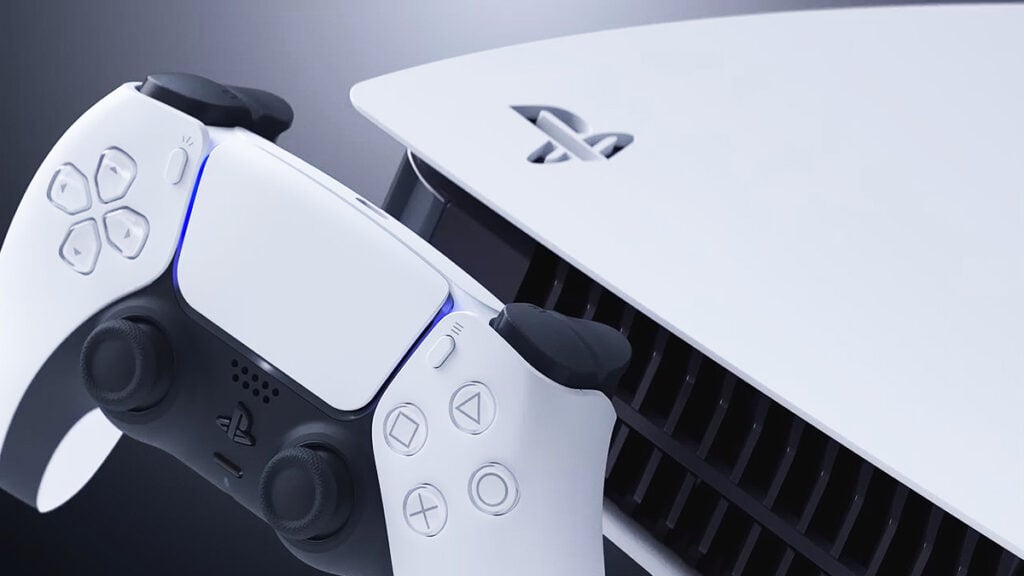
Setting aside whatever beef you (and me) have with Patcher for a moment, that is a sound speculation. If owning hardware becomes too expensive, then no doubt simple convenience wins. After all, I do think that some people are already content not to spend money just to experience games. Instead, they ‘consume’ the games’ content through streamers, YouTube playthroughs, lore videos, and VTubers. It doesn’t apply to everyone, but it does change the value equation.
Then there’s also another trend that’s quietly growing: retro gaming. When everything — including the latest gaming hardware — gets too expensive, players will simply turn to second-hand stores and emulators.
On the one hand, those could be detrimental to the PS6. Why bother buying an overpriced entertainment device when you can experience the latest AAA game’s plot through with a click? Or when there are literally tens of thousands of old games waiting to be (re)discovered?
But this is also where Sony actually has a major advantage — if it chooses to use it.
Sony Might Still Have Two Options
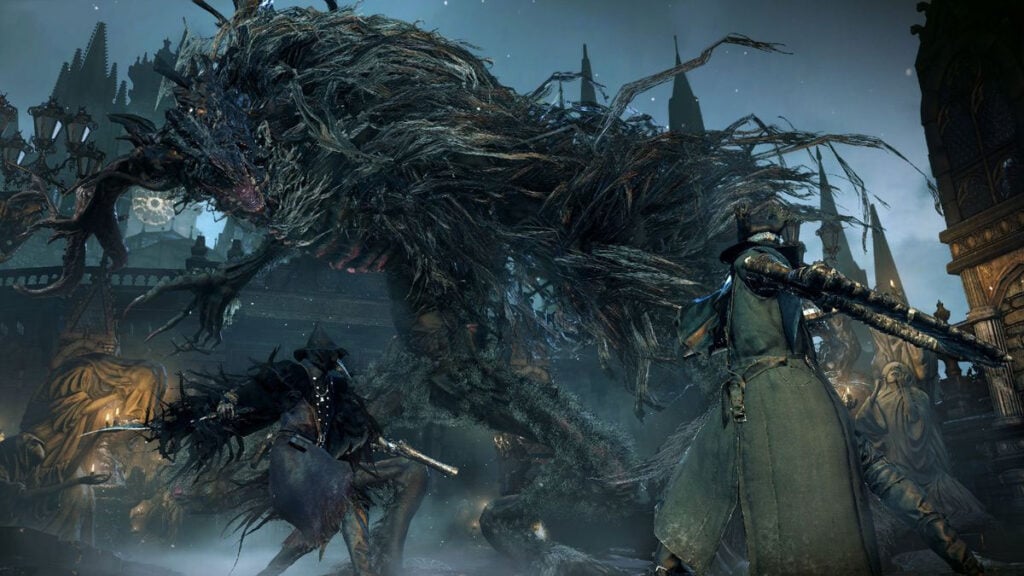
PlayStation’s back catalog is enormous. Ape Escape, Ratchet and Clank, Wipeout, Gravity Rush, Bloodborne — decades of exclusives, partnerships, and iconic franchises. Leaning into backward compatibility and remasters could soften the blow of expensive hardware. People may not immediately rush to get a PS6, but its predecessors, the PS4 and PS5, could also benefit from an ‘extended lifespan’ through cheaper remasters. It’s a strategy that could keep players engaged even if they don’t jump into the latest AAA releases immediately.
There’s also another potential safety guardrail: releasing a handheld instead of a traditional home console.
Rumors and speculation around a new PlayStation handheld haven’t gone away. If Sony introduces a more affordable portable device, perhaps borrowing ideas from the Switch, it could preserve the brand’s mass-market appeal. Only having a portable device could work, but releasing both simultaneously has its own advantages. Players priced out of the main console can still get into the platform, albeit with visual and performance drawbacks.
The PlayStation Portal already felt like an early experiment for this, and so far, it seems to have succeeded in its goal. “[…] the demand has continued to exceed our expectations,” Portal project lead Hiromi Wakai said in a 2024 interview.
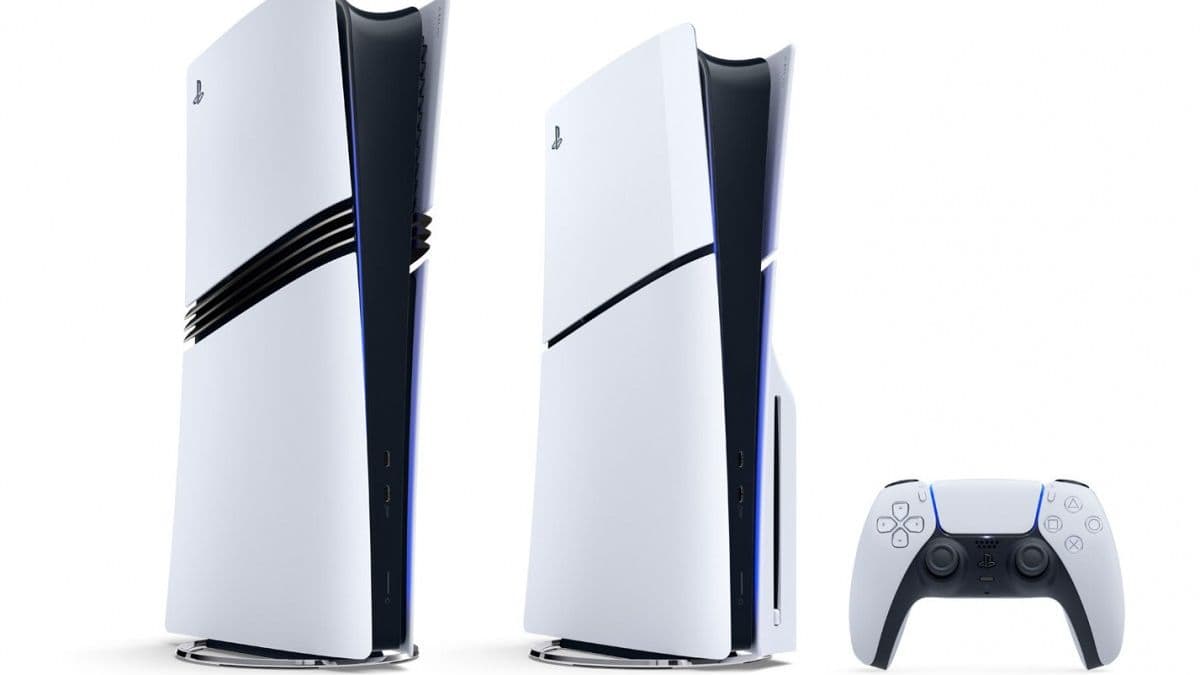
It’s worth noting that the $1,000 scenario isn’t guaranteed in any way and, so far, is just a theory. Hardware leaker Kepler_L2 estimates that the PS6’s materials cost could land around $760 instead. That price point should leave room for a launch price of around $699, close to PS5’s second price hike, if Sony decides to subsidize hardware. Nevertheless, the final decision will still depend on market conditions, component costs, and Sony’s strategy for the foreseeable future.
Sony says PlayStation should be the best place to play. The question, now, is what ‘best’ actually means. If it means cutting-edge plug-and-play hardware and premium all-in-one features, then higher prices become easier to justify. If it means accessibility, massive install bases, and cultural dominance, then low barriers—especially affordability—still matter just as much.