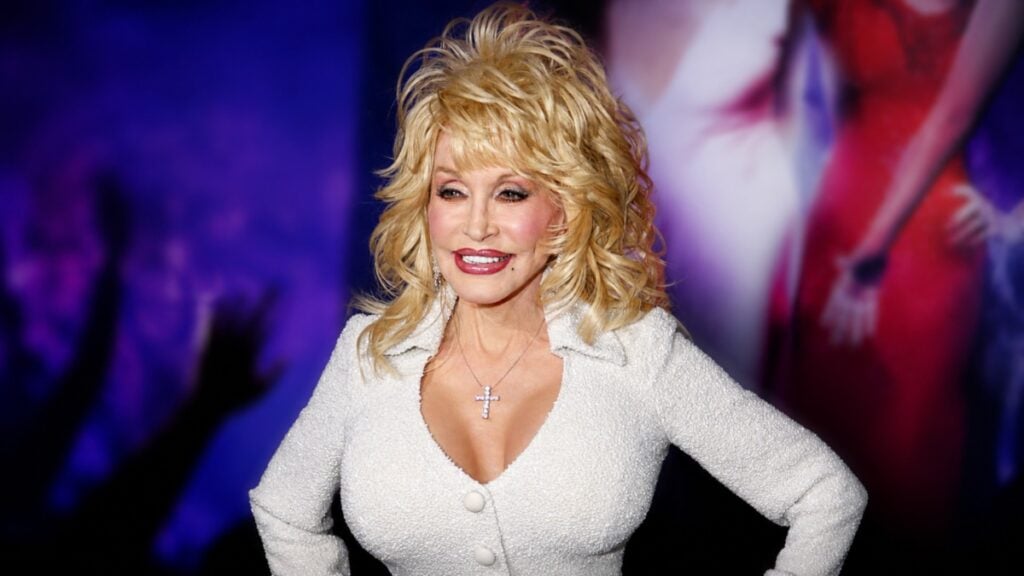
Dolly Parton, the songwriter from a one-room cabin in the Smoky Mountains who became the most beloved figure in American music ever produced, has died. She was 80, and there will never be another.
The Tennessee legend’s death was announced Tuesday by her nephew Bryan Seaver, on behalf of the Parton family, through her official accounts. No cause of death was announced. The news arrived after a difficult stretch she had faced the only way she knew how: out loud, with a joke ready.
Her final year was shadowed by loss and health battles she narrated herself. After her husband of nearly 60 years, Carl Dean, died in March 2025, she admitted she had let her own care slide while nursing him. “I didn’t take care of myself,” she said last fall, postponing her long-awaited Las Vegas residency for what she called, in perfect Dolly fashion, her “100,000-mile check-up.” When her sister’s prayer request frightened the world, she answered with a video and a grin: “I ain’t dead yet.” And she meant it, telling fans: “I’m not ready to die yet. I don’t think God is through with me, and I ain’t done working.“
She worked to the end. This summer she shepherded Dolly: An Original Musical through its pre-Broadway run in Nashville, three years after her Rock & Roll Hall of Fame induction joined a resume that already held the Country Music Hall of Fame and virtually every honor her industry can give. Only in recent weeks did the lights dim, with a canceled Dollywood appearance on doctors’ orders and a final health update days ago.
The life behind the legend remains one of the great American stories. Born in 1946, the fourth of 12 children in a cabin on the Little Pigeon River, she turned a childhood of patchwork poverty into “Coat of Many Colors,” and never stopped writing: more than 3,000 songs, including “Jolene,” “9 to 5,” and “I Will Always Love You,” the farewell she wrote herself that became one of the biggest recordings in history. She built Dollywood into her mountains’ economic engine and her home county’s biggest employer, put more than 200 million books into children’s hands through the Imagination Library, and helped fund a COVID vaccine, all while insisting to the last that she was just a simple country girl who got lucky.
The Song That Says Goodbye
Tributes poured in within minutes, but the truest came from the lives she touched. “I ran into Dolly Parton at a gay restaurant in San Francisco during the height of the AIDS crisis when most of America was terrified to be around anyone gay,” one mourner remembered. “She was having a blast holding court as one Queen with all the other queens.” Another wrote her a farewell letter: “From a little gay boy who always loved you: thank you, Dolly. For the music, the kindness, the humor, the sparkle, and for making people who felt different feel a little more at home in this world.” And a parent testified to the empire of books: “my daughter receives free books via her kindergarten from Dollys books for kids program all way down in Australia.“
No figure in modern entertainment was loved across more divides, and as that farewell letter put it, Tennessee’s brightest star just got a little higher.