
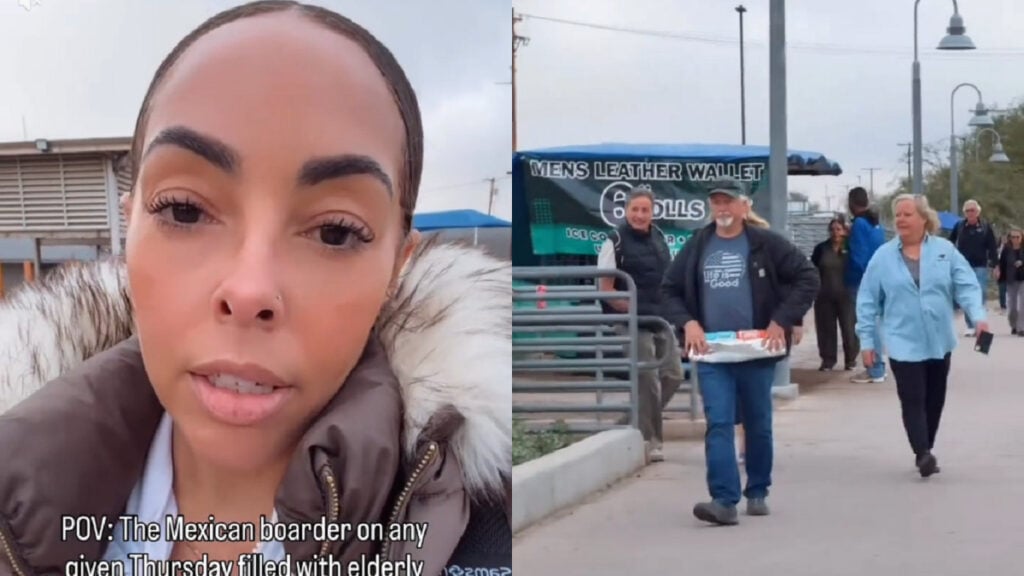
The American healthcare system is widely criticized for its high deductibles and costly monthly premiums. And that’s often for care that many would rate poorly. Then there’s dental, which is also incredibly expensive in the U.S. We just can’t catch a break here. One way people save on medical bills is to cross the border into Mexico. As one woman captured in Texas, droves of Americans just waltz into Mexico to reap the benefits of cheaper dental care.
TikToker Viper.vet shared the video, which shows a Texas woman recording the Mexican border on “any given Thursday,” while “elderly Americans” head into Mexico for “affordable dental work.” This strikes her as odd and raises serious concerns.
As the woman says, “As ICE is terrorizing Mexicans and immigrants,” White people from America are crossing the border for highly specific care. And this doesn’t just end at dental care, either. Americans get to reap the advantages of cheaper healthcare since our premiums are so high. So many people can’t afford their healthcare costs.
The woman in the video comes to the same conclusion. “You know why? Because they can’t afford to get their dental work done in the states.” Despite claims of being the world’s best, access to affordable healthcare — including dental care — remains out of reach for many Americans.
Near the end of her video, this woman looks on, flabbergasted, as she says, “And Mexico welcomes us in with open arms. We all come with our passports and we get our dental work done. We get our glasses. We get everything we need and go home.”
Some Americans who support strict immigration enforcement still travel abroad for affordable healthcare, highlighting a striking contradiction in the broader healthcare debate. Make it make sense.
Well, it doesn’t. “They want the benefits from both sides but don’t want the Mexicans to have the same opportunity,” one commenter said.
“Take a wild guess who they voted for,” another wondered.
Without meaningful healthcare reform, Americans will likely continue traveling to Mexico for treatment, underscoring how inaccessible care remains for many.