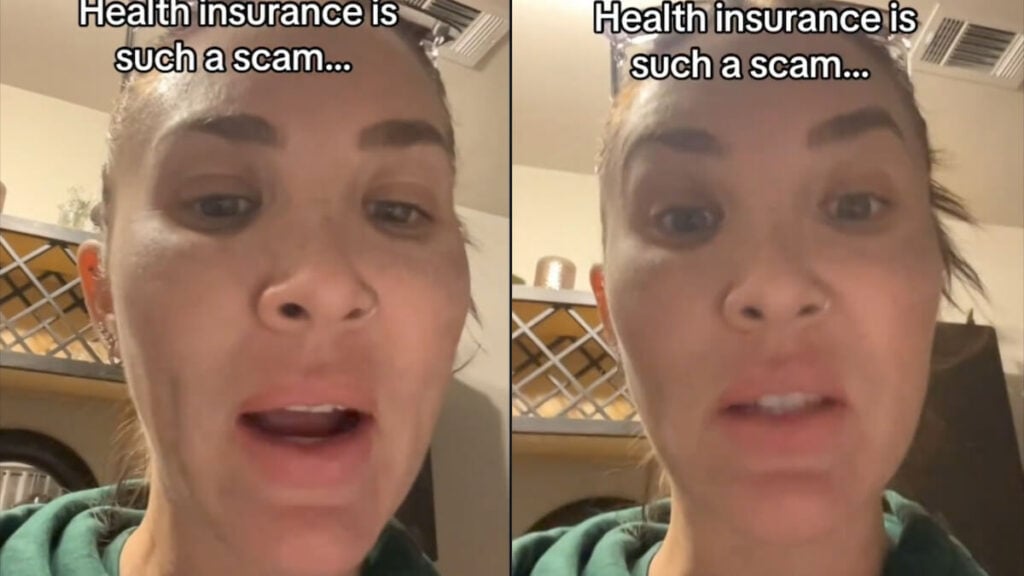
A woman in Texas who pays roughly $500 a month for health insurance recently got the shock of her life when her hospital bill came back with an increase instead of a decrease after coverage was factored in.
The woman had visited a hospital to have her child tested for the flu, and the lab originally billed her $125 because her new insurance information had not been scanned when she arrived. When she later contacted the lab to have the insurance applied, she was told to disregard the original bill and wait for a revised statement.
Instead of going down, however, the amount rose to $179.83, a 43.9% increase. Irritated that she was now owing more out of pocket than the original uninsured amount, the woman chalked it up to her “being scammed” by insurance. “I’m gonna freak out on someone,” she said in a TikTok video.
Why the Bill Appeared to Increase After Insurance
Now the billing structures in the U.S. healthcare system can sometimes produce outcomes that feel counterintuitive to patients. According to a study by an economist at Trinity College, providers often bill insurers at a higher contracted rate than what an uninsured patient would be charged directly. The insurer then applies negotiated discounts, deductibles, or co-pays that ultimately determine what the patient owes.
This layered process can occasionally result in patients paying more after insurance is applied, especially if deductibles have not been met or if the insurer’s allowed amount differs from the provider’s original charge.
Netizens React to the Texas Woman’s Video
In her comments, many people sympathized with the Texas woman, saying the situation felt all too familiar. One person wrote, “Happened to me too. It’s dumb and so wrong.” Another said, “That’s so frustrating I’m sorry girl.” A third added, “American healthcare is a world wide embarrassment.”
Some viewers even said they have opted out of insurance altogether due to cost concerns. “I haven’t been insured for like a year now. Have been paying everything out of pocket. Way cheaper then when I did have insurance,” one comment read.
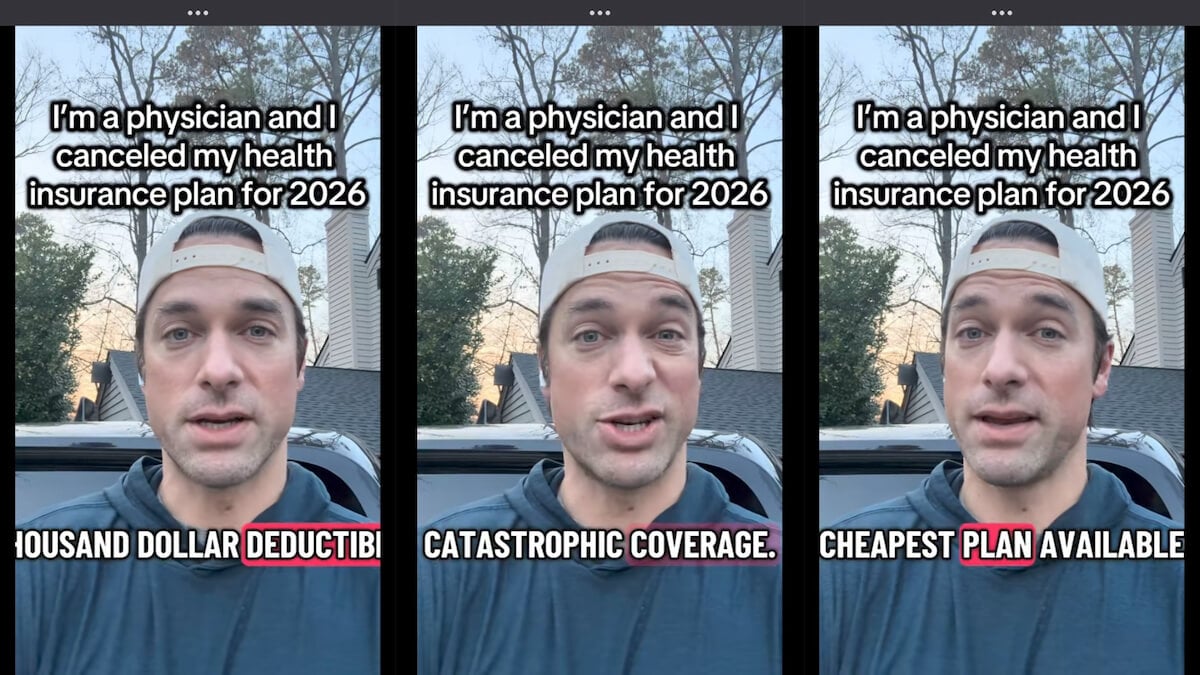
However, not everyone agreed that placing blame solely on the insurance company was appropriate. One commenter pointed out that provider billing practices may play a role, writing, “You are blaming the insurance company, but your provider is the one who charged your insurance more then they charged you. Your insurance is just doing it’s job.”