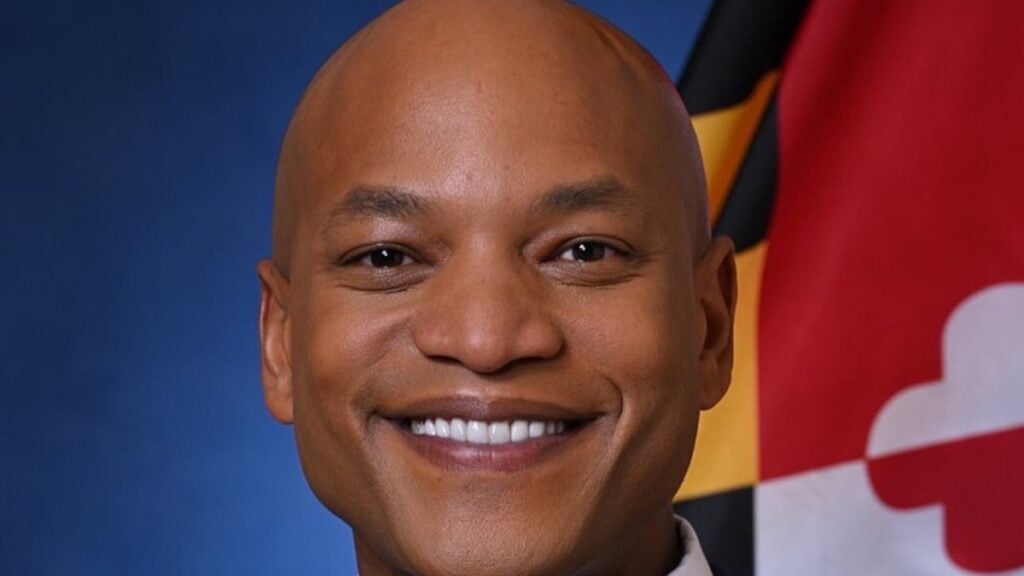
Maryland Gov. Wes Moore posted on X that he banned dynamic pricing at grocery stores in the state so corporations cannot use personal data to charge customers more. The post, which includes a video of the governor discussing the measure, came after the Protection from Predatory Pricing Act took effect, making Maryland the first state to restrict the practice. Online users reacted to the message, with many commenters questioning whether the pricing approach had been in use at Maryland stores and raising other cost-of-living concerns.
The video shows Moore seated in an office setting, speaking directly to the camera with a Washington Post headline visible about Maryland becoming the first state to ban dynamic pricing in grocery stores. In the clip, he says, “We made it illegal for grocery stores” to adjust prices “all day long, and, because they know your schedule, you are about to buy.”
He continues that “major corporations are learning your own personal data,” refers to “the first law in the nation,” and states that no one should face higher costs “for trying to feed your family” with practices “lurking over your shoulder,” ending with “Not on my watch.” The footage does not show grocery store aisles, price tags, or any specific transaction.
The post text states that Moore banned dynamic pricing at grocery stores in Maryland so corporations cannot use personal data to charge more. The Protection from Predatory Pricing Act took effect on Oct. 1, requiring large food retailers and delivery services to keep prices fixed for at least one business day and barring the use of personal data for individualized pricing, according to state records and news reports.
Retail industry representatives have said the practice was not in use in Maryland stores. Consumer groups have welcomed the measure as a first-in-nation step while noting limitations in its scope, according to coverage from outlets including The Washington Post.
Online Responses to Gov. Moore’s Grocery Pricing Ban Post
Some viewers supported the ban and its broader potential, with one writing “We need this ban nationally” and another saying “Ok, this is good.”
Others questioned whether the practice had been occurring, including comments that “You invented a problem that didn’t exist to distract from the problems you created,” “Precisely how many businesses were using this? Spoiler: it was zero,” and “No signs this is happening. Waste of time, bro.”
Additional replies focused on other costs facing residents, such as one stating, “When does the government stop ripping us off?” and another listing “You rip us off every day” in reference to high taxes, energy costs, and car registration fees, while one asked, “When do my taxes go down?”
For now, the post has added to an ongoing conversation about grocery costs and pricing practices in Maryland. Online responses continue to range from support for the ban to questions about its practical impact and other state expenses.