The base-building genre with automation features isn’t new for today’s standards. It faces some of the toughest competition in the market, so delving into it isn’t easy. Yet the creative minds behind Green Hell took on the monumental task of tacklingthis type of game, and they nailed it. After spending hours in StarRupture, I’m convinced this is the game that finally nails automation, base-building, exploration, and combat into a cohesive experience, with one of the most entertaining gameplay loops I’ve seen recently.
Serving Time, Building Factories
The overarching plot of StarRupture might feel familiar to many: you arrive at a dangerous planet and need to mine, produce, and send items through a space elevator to appease a corporation, which leads to quite an addictive gameplay loop, and one that fixes a few of the things that often feel weak in the genre.
You begin with your mining tool and start searching for basic materials to build your base. Once your main base is up, you need to start crafting bigger equipment, such as extractors, smelters, and so on. But what do you do with all those materials? Well, here is where the gameplay loop gets interesting.
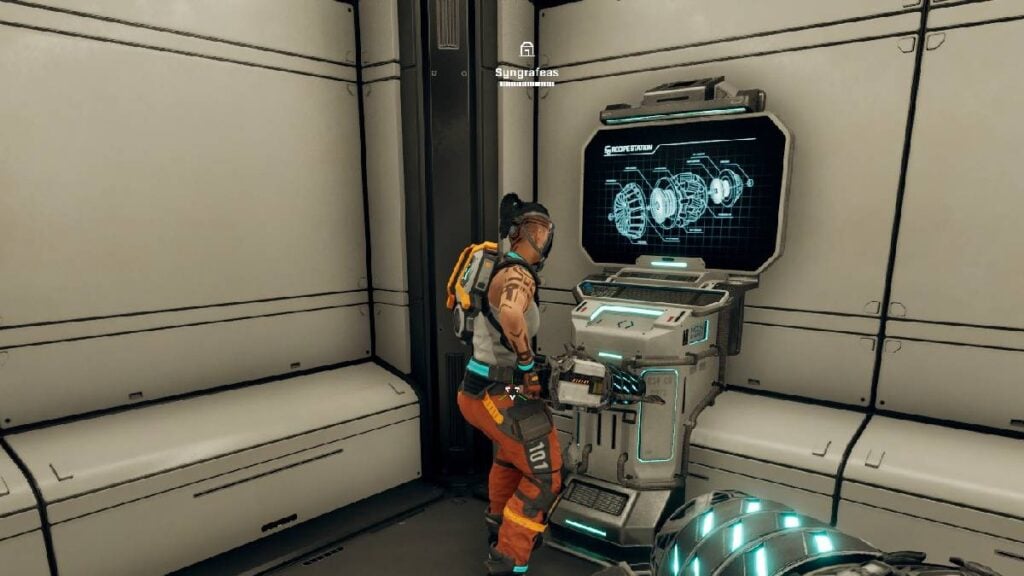
StarRupture has a currency called Data Points, which you obtain by submitting organic resources, items from previous expeditions, and other specific objects. You can then spend these Points on any of the five companies you work for, each focused on different things. Leveling up a company unlocks a new recipe, such as a weapon, grenade, healing item, or brand-new crafting station.
The thing I liked most about this system is how it encourages you to actually explore the map. For instance, at first you’ll only earn Points by submitting flora. However, you can automate the process by crafting materials for a specific company and sending them through an elevator. This allows you to passively farm Data Points for a company while allowing you to explore the planet, which is actually full of enemies and many POIs packed with rewards.

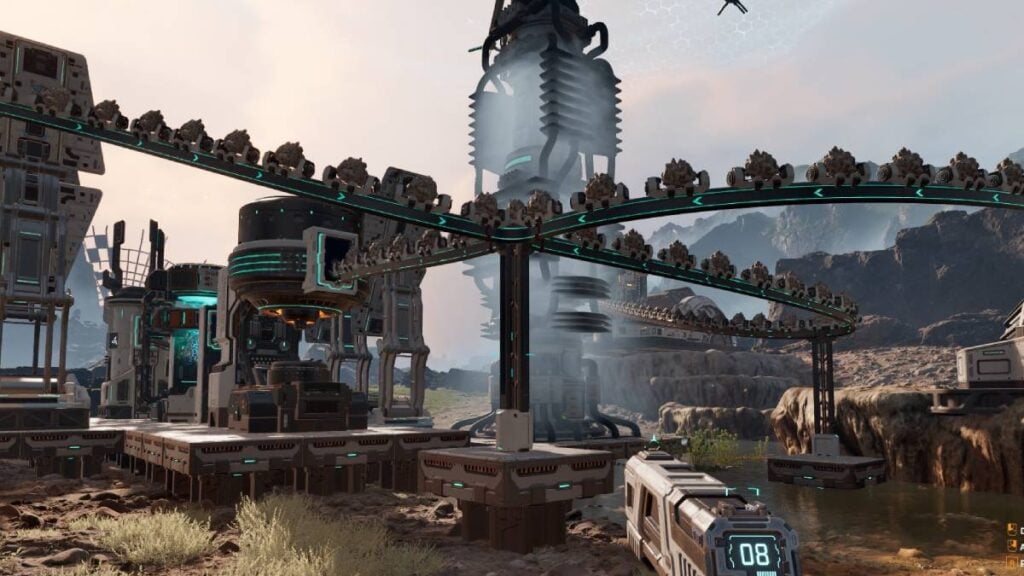
In terms of the actual building part, it is pretty intuitive, but I’m not a big fan of how the game handles some things, especially power distribution. Call me old-school, but I’m used to seeing my cable-riddled base. StarRupture moves away from this by putting all energy in platforms and rails. For example, if you want to power up your extractor, you need to place a solar generator right next to it to link the two platforms. Then, the rail will transfer that energy to another machine. However, if the juice runs out, you need to place another generator next to the platform. While it makes things easier for those with poor cable management skills, it ended up feeling cluttered.
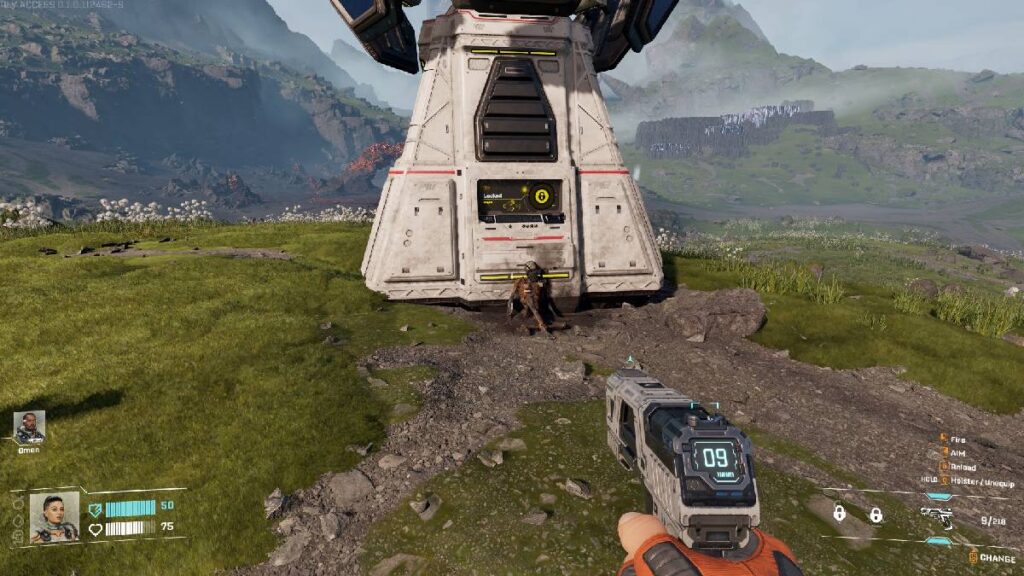
Aside from that, there are some UI issues, but I won’t delve into them that much, as these are easy to fix, especially during the early access period. Still, I believe that power management needs some sort of rework or a way to make the base less cluttered, as it often makes space management tedious.
While that is my only complaint about the base-building aspect, the exploration is a whole different beast, and one I think works perfectly. As I said, you can pretty much automate your base in the first couple of minutes and dedicate your time to exploring.
Compared to StarRupture, Satisfactory never made exploration too rewarding. It focused more on the dopamine you got from making a conveyor belt maze. StarRupture, on the other hand, splits the loop evenly and encourages you to go out to find rarer materials, alien parts, or to break down meteorites to unlock recipes or upgrade your base. Furthermore, exploration in StarRupture has a Subnautica vibe, with environmental storytelling that’s pretty interesting and makes you want to find another abandoned location to see what piece of lore you’ll uncover.
The Rupture Cycle
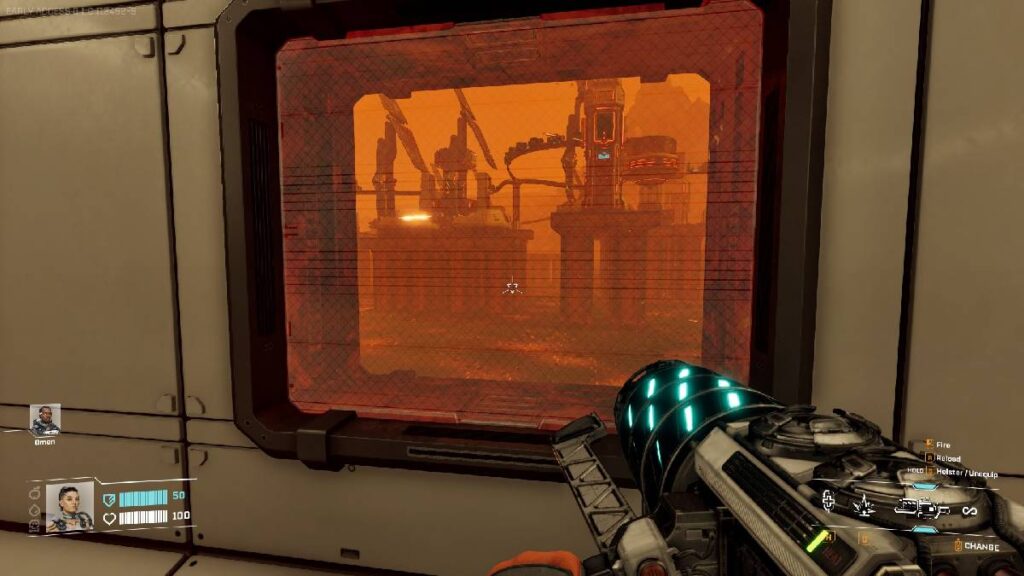

The main gimmick of StarRupture is the Rupture. At specific moments, you’ll get a “Wave Alert,” indicating that the Rupture is coming, which is basically a big supernova that kills you in seconds and burns the entire map. This deadly flare damages your base and also razes the whole planet. Still, after that happens, everything blooms again, restoring some of the materials you might have collected already and even leaving some rare resources on the ground.
This is yet another thing that I liked, as beyond looking deadly and epic, it also provides a constant renewal cycle where you can farm most items almost endlessly. The real danger, of course, is that of the Rupture damaging your base, but nothing a few repairs can’t fix. Also, it was pretty great to see that, despite a world-ending supernova in real time, the game never crashed or dropped frames. That didn’t happen either when the planet bloomed in real-time, which is quite the technical achievement.
Beyond the Rupture, other dangers are the alien denizens, which are bug-like creatures that either attack you at a melee range, explode and infect you, or worse. At first, I treated them as the weakest beings on the planet, downing them with one hit. I even felt a bit cocky and used my mining tool slice a few of them. However, the game quickly teaches you how to respect the planet and its inhabitants.
In a couple of hours, the game felt like Helldivers, with hordes of these alien bugs attacking my base. Thankfully, there are several things to protect it, from weapons you can actually wield to defense turrets and so on. Still, an invasion can ruin your base if it catches you off guard.
Fixing The Weakest Parts of the Formula
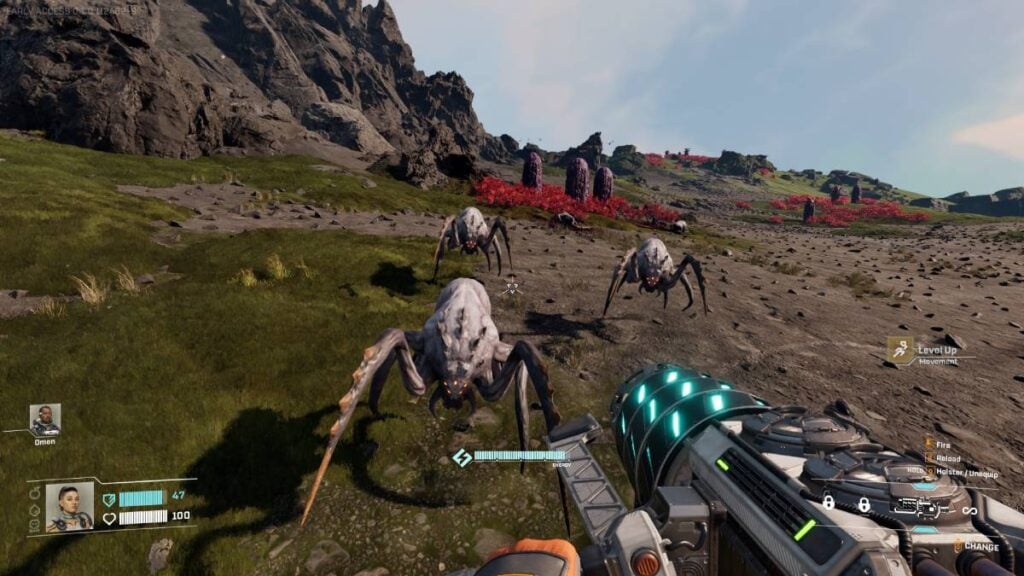

Frankly, I liked the fact that StarRupture didn’t focus on the cozy side of things only. It perfectly evensout the base-building, exploration, and combat aspects of the game. I never felt as if staying at my base was mandatory or the only thing I should do. I had to plan my run before the next cataclysm, and the game often had me wondering whether it was a good idea to search for a new Alien Monolith or stay around my base in case the Rupture arrived in a few moments.
Overall, it is surprising to see such a cohesive early access game with so many systems working in tandem and in ways that never overwhelm you. While I have some favorite base-builders in my library, StarRupture quickly rose as one of the most enjoyable, and one I can’t wait to see how it develops during its early access period.