
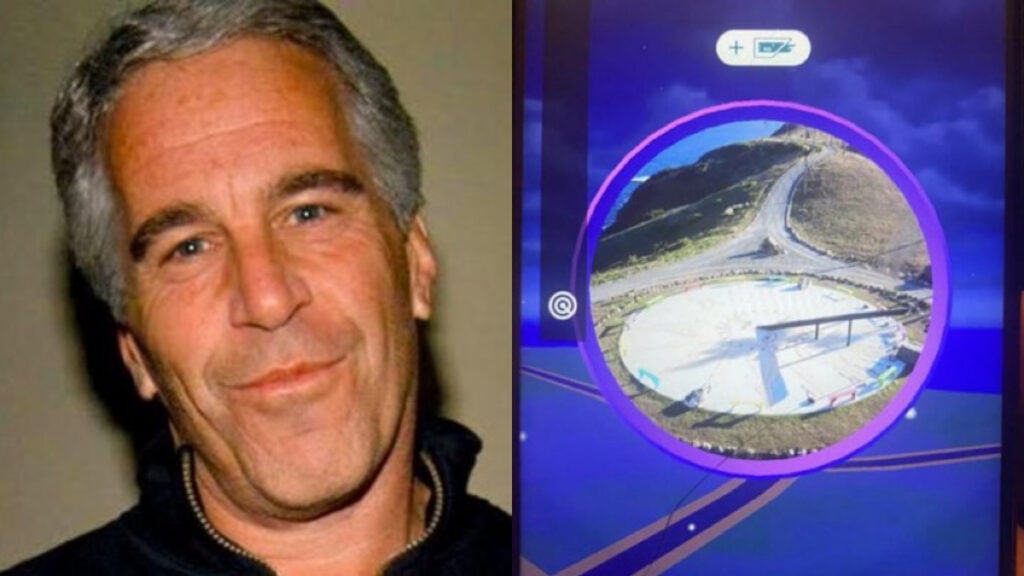
Epstein’s reach is proving to be more disturbingly extensive, as people who have combed through the notorious Epstein files have discovered that he not only had his hands on Call of Duty, but also Pokémon Go. In fact, Epstein’s island even had its own PokéStop. Following the recent and ongoing controversies about the Epstein files, however, Niantic, Pokemon Go‘s developers, have removed the stop from the island in a rather belated distancing from the long-deceased financier.
The augmented reality mobile game, developed by Niantic, allows players to collect items at real-world landmarks designated as PokéStops. While most of the millions of locations worldwide are tied to public art, parks, or historic markers, some have sparked backlash over the years, including stops at the Holocaust Museum, Arlington National Cemetery, and the 9/11 Memorial.
Little Saint James or Epstein Island has been on the list of PokéStops for quite a while. The roughly 70-acre island was formerly owned by financier Jeffrey Epstein, who died in jail in 2019 while awaiting trial on federal sex trafficking charges. The island is widely believed to have been the site of crimes involving underage girls. Following his death, ownership passed to a trust before the property was sold in 2023.
Players first noticed the PokéStop, reportedly tied to a large outdoor sundial on the island, as early as 2021, according to estimates based on Niantic’s earlier AR platform, Ingress. Because the island is private and restricted, the location was primarily accessed through GPS “spoofing,” a violation of the game’s terms of service that allows users to fake their physical location.
People got curious about who checked in there
Interest in the PokéStop surged in recent days following the government’s release of millions of pages of Epstein-related documents. Online forums are filled with screenshots of Pokémon captured on the island, with some users deliberately catching certain creatures there to create meme-worthy “caught at” location tags.
“Release the list of everyone who checked in there,” one viral Facebook commenter demanded, referencing the game’s location-tracking features. Niantic confirmed this week that the PokéStop has been removed after it was brought to the company’s attention.

It remains unclear who originally submitted the location. Players can nominate PokéStops once they reach a certain level in-game, and submissions are reviewed through Niantic’s platform. The company’s guidelines require “safe pedestrian access,” a standard the restricted island likely did not meet since it is private, among other reasons.
While there is no evidence Epstein himself played Pokemon Go on the island specifically, emails released in the document trove show he referenced the game shortly after its 2016 launch, calling it “the first of augmented games.” For now, at least digitally, Little Saint James is no longer a place where trainers can catch ’em all.