
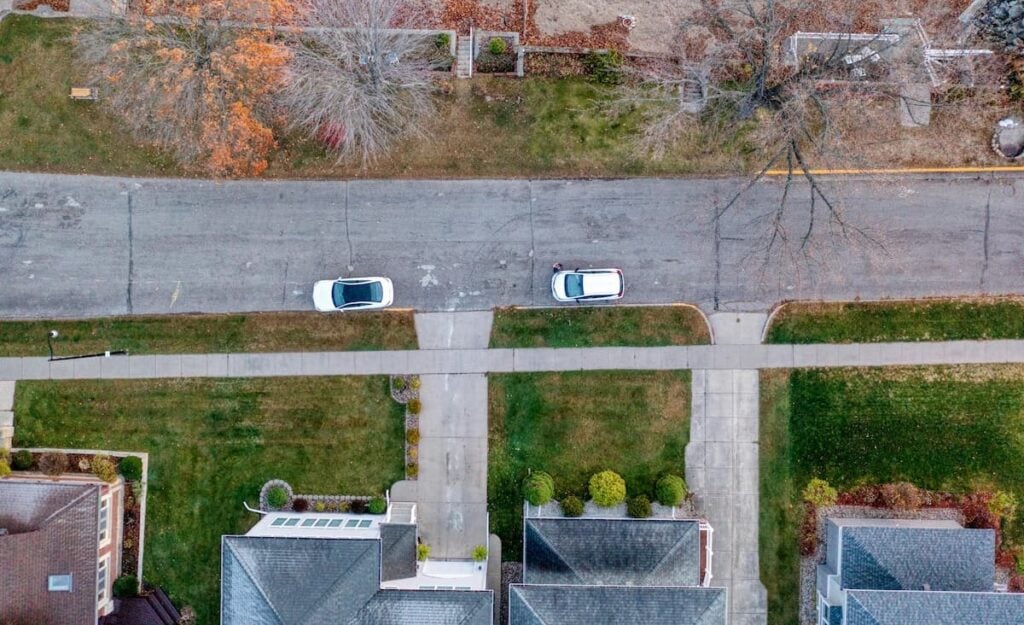
Minnesota lawmakers are closing in on a rare bipartisan win, advancing legislation that could significantly curb the power of homeowners’ associations. But outside the Capitol, the momentum is being fueled by something louder than policy debate: simmering frustration from residents who say the system has gone too far.
The proposed “HOA Bill of Rights” has already cleared the Senate and is nearing a final vote in the House. It would introduce new transparency requirements, cap fines at $100 per violation, limit foreclosures over minor debts, and make it easier for homeowners to dissolve associations that no longer serve them. It would also establish a state ombudsperson to mediate disputes and restrict conflicts of interest among HOA board members.
The push follows years of complaints from Minnesotans who describe HOAs as overly punitive, opaque, and in some cases, financially predatory. Stories cited by lawmakers include foreclosure attempts over debts under $500 and fines for minor infractions like leaving garbage bins out too long.
Online, that frustration is even more blunt.
“It’s a horrible scam,” one user over on the local Minnesota subreddit wrote, reacting to the legislation. Others echoed the sentiment, pointing to what they see as a system that double-charges homeowners while limiting their autonomy.
“They still pay taxes for services they aren’t having provided… then pay HOA dues for the same services,” another user argued, highlighting a common complaint that HOAs shift infrastructure costs away from cities while continuing to collect public tax revenue.
A breaking point for homeowners
At the center of the legislative push are cases like Jolene Johnson’s in north Minneapolis, where an HOA initiated foreclosure proceedings over a debt of less than $500. Residents there have struggled to dissolve the association, a process that currently requires approval from at least 80 percent of homeowners and lenders.
Lawmakers say that kind of imbalance is exactly what the bill is designed to address. Even some Republicans have acknowledged that reform will likely come at the expense of HOA authority.
Still, opposition remains. Property management groups and some HOA advocates warn that increased regulation could raise costs and make it harder for volunteer boards to function. They argue that many associations operate effectively and provide essential services that cities no longer cover.
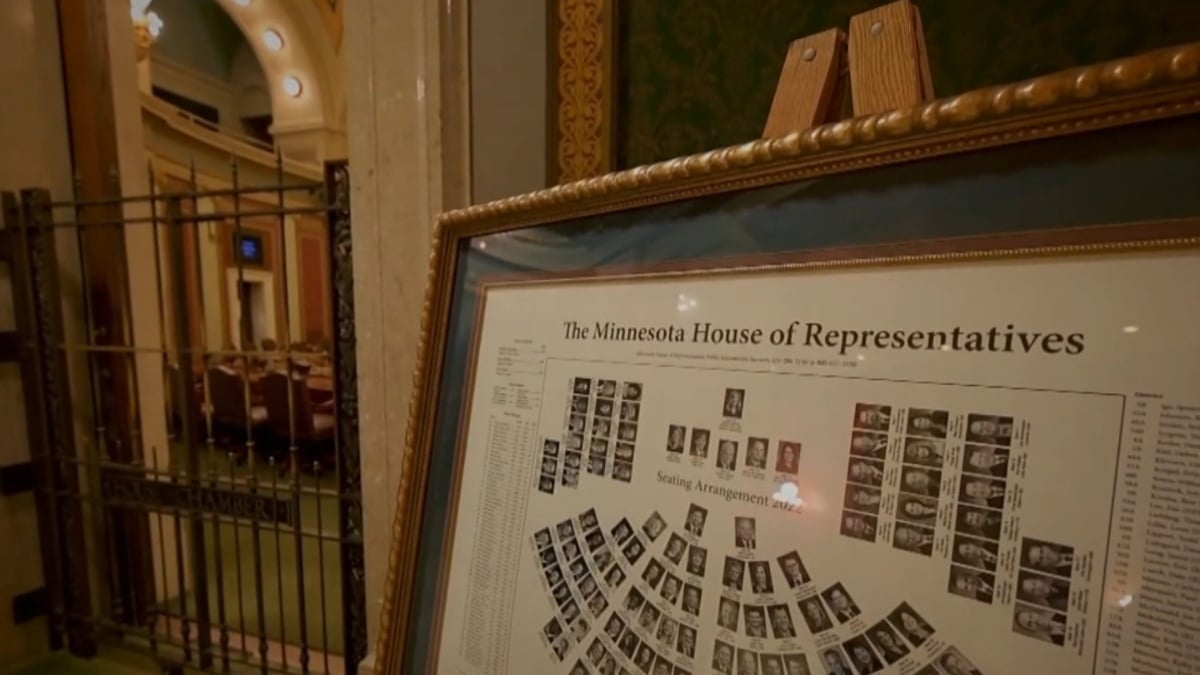
That nuance appears in community discussions as well. Some residents draw a distinction between HOAs for condos and townhomes versus those governing single-family homes.
“For neighborhoods with standalone homes it makes absolutely no sense to me,” one commenter wrote, while others said associations are necessary for shared structures but overreach when regulating personal property choices.
Yet even among those who see some value in HOAs, there is growing agreement that reform is overdue.
“HOAs can and will foreclose for amounts under $2,500… that’s insane,” another user noted.
Whether the bill passes as expected or faces last-minute hurdles, one thing is clear: in Minnesota, the political appetite to rein in HOAs is now matched by a public that has already made up its mind.