The Colorado legislature advanced a controversial measure allowing residents to sue federal immigration officers in state court over alleged constitutional violations. This new Colorado ICE bill targets unlawful searches and alleged police brutality to provide a legal avenue for victims. However, mounting public skepticism suggests the legislation may face insurmountable legal barriers before it ever takes effect.
Lawmakers pushed this specific legislation following the failure of a broader bill that would have exposed state and local officials to similar civil lawsuits. The narrower measure arrives in response to a surge in federal immigration arrests and recent fatalities involving officers in other states. Similar attempts to regulate federal agents in California and Illinois were recently struck down by courts for violating the Supremacy Clause of the U.S. Constitution.
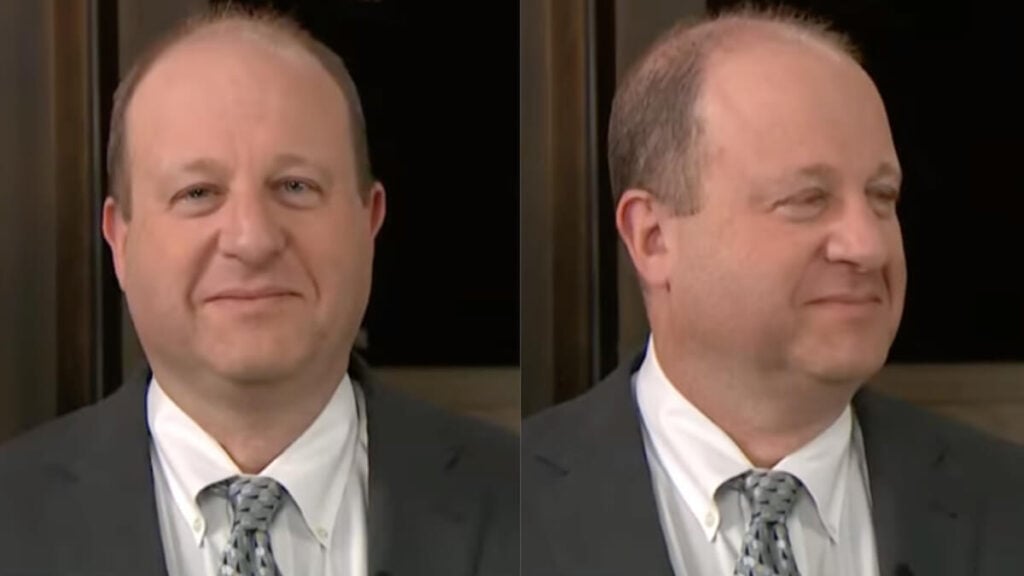
The legislation now awaits a final decision from Governor Jared Polis who has not indicated whether he will sign the measure. Meanwhile, state lawmakers are actively debating additional proposals that would mandate regular inspections of federal immigration detention centers. Online backlash continues to grow as residents debate whether the state can genuinely hold federal authorities accountable or if the effort is merely political theater.
Colorado residents doubt the state can sue federal agents
Many users expressed immediate doubt regarding the state’s actual authority to challenge federal law enforcement overreach. Pointing to recent legal failures, one Reddit user asked, “What is to stop them from claiming qualified immunity on the federal level and invoking the supremacy clause like they did in California?”.
Others voiced intense frustration with the perceived performative nature of the state legislature’s recent actions. Another commenter bluntly stated they were “Getting real tired of all of the virtue signaling coming from the city of Denver and our state legislature”.
Some critics argued that blaming individual agents entirely ignores the broader institutional chain of command. Echoing this sentiment, one resident argued, “They are just doing their jobs as told, I think you gotta go up the chain if you want changes”.

However, strong defenders of the bill insisted that pushing for constitutional accountability remains a moral necessity regardless of the legal odds. Rejecting the common defense of federal officers, one commenter said, “‘I was just following orders’ was not an excuse in 1945 and it still isn’t in 2026”.
As the governor weighs his final decision, Colorado remains caught in an escalating clash between state-level legislative resistance and federal immigration enforcement.