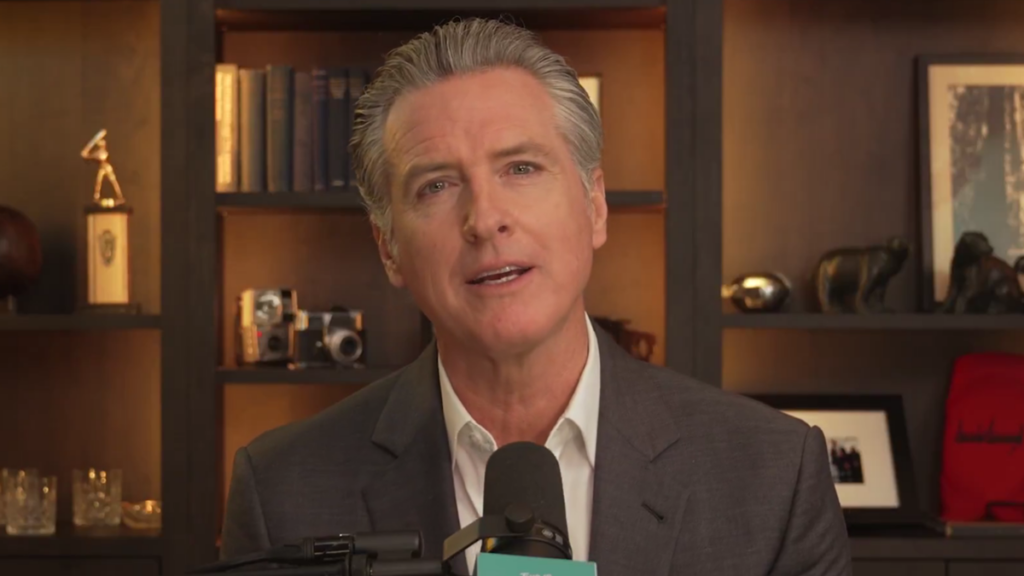
Governor Gavin Newsom proposed a revised $350 billion California state budget on Thursday, raising Medi-Cal premiums for undocumented adults while allocating millions for private insurance subsidies. The plan increases monthly costs from $30 to $50 to help eliminate the structural deficit through July 2028.
The administration projects $16.5 billion in additional revenue from a surging technology sector despite warning of an eventual market bust. Simultaneously, the budget commits $300 million to subsidize private healthcare after the federal government failed to renew Affordable Care Act subsidies.
The proposal restricts care for approximately 1.3 million undocumented enrollees who would move to a separate fee-for-service program lacking case management and housing assistance.
Newsom defended the decision to reporters, stating that “to the extent we are forced to make decisions, that’s called reality, that’s called math”. California Pan-Ethnic Health Network executive director Kiran Savage-Sangwan expressed hope the Legislature would “stand up for immigrants” in ways the governor has not.
The California State Association of Counties alleged the proposal forces local governments to care for those losing coverage without state support.
The proposal is drawing attention because it increases financial burdens on undocumented residents while the state reports a multi-year balanced budget.
California Residents Question Budget Rationale Following Announced Healthcare Cuts
“He’s cutting MediCal,” one commenter observed as the governor’s revised budget proposal reached the public. The assertion followed a plan to move 1.3 million undocumented enrollees into a separate program with fewer benefits and higher costs.
“Still cutting healthcare for thousands of immigrants in CA. With them only being able to access emergency services, healthcare spending will go up,” another person argued. Skeptics suggested the immediate savings would eventually be offset by a surge in emergency room visits for untreated conditions.
Criticism extended to the plan’s effect on providers, with one person noting officials “are still hurting and destroying Medi-Cal Dental funding”. The commenter warned that lowering reimbursements to levels not seen for decades would likely trigger a wave of dental emergencies.
“They do play accounting tricks from time to time,” a skeptic noted regarding the administration’s claim of a $0 structural deficit. Others alleged “the numbers are so fudged” to mask a worsening economic reality beneath the tech-driven revenue surge.
A different viewpoint emerged from a commenter who stated, “It’s literally California law to balance the budget”. This perspective framed the spending reductions as a legal requirement rather than a matter of political choice.
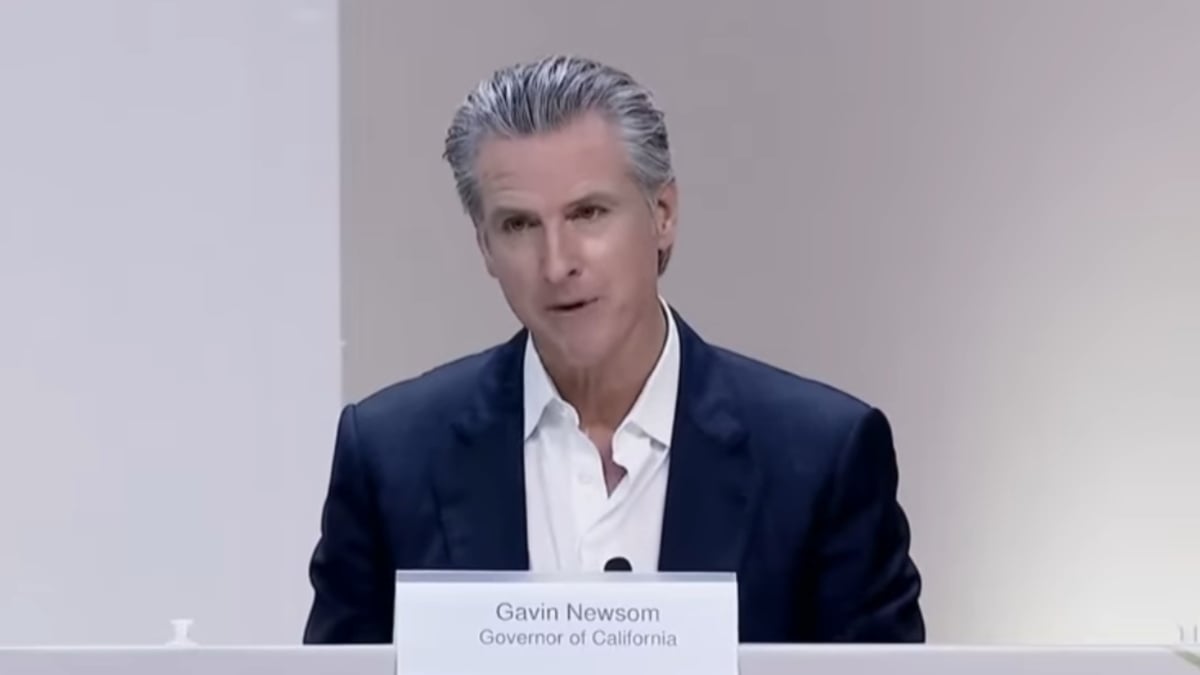
“Democrats are better at budgeting,” one user declared in defense of the governor’s fiscal discipline. Supporters maintained that the focus on building reserves was necessary to protect the state against a projected “AI bust”.
The clash between claims of fiscal stability and allegations of targeted service cuts remains central to the state’s unfolding budget negotiations.