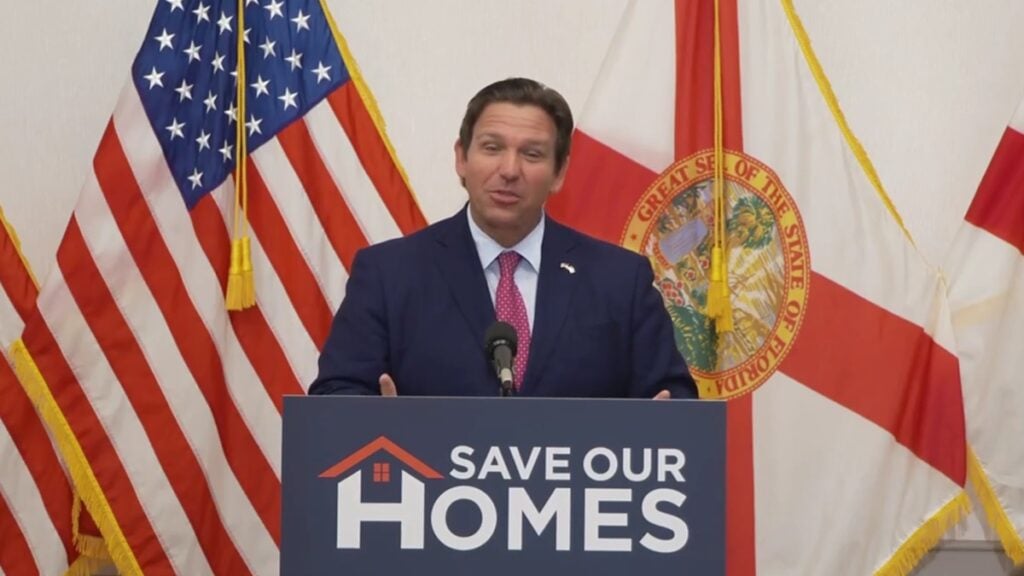
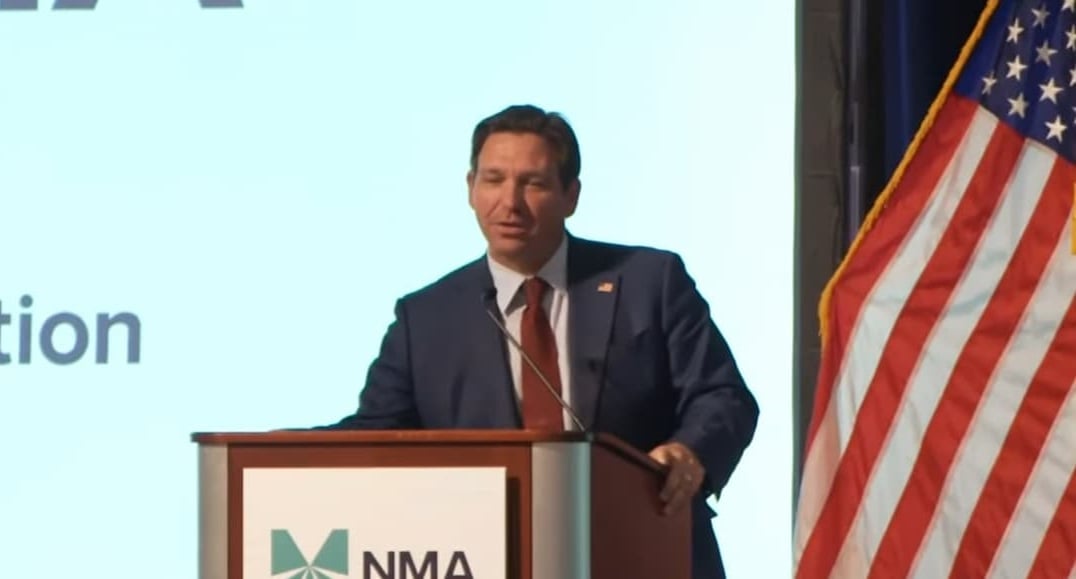
Florida Governor Ron DeSantis has promised to help 92% of homeowners save on property taxes through his proposed legislative changes, but investment bank UBS recently expressed skepticism about those claims. The news outraged some Florida residents, who oppose the plan to phase out property taxes on homesteaded properties.
As reported by Fortune, UBS flagged a “notable discrepancy” in the data provided by DeSantis. While the Florida governor claimed that 92% of homeowners would save money under the plan if exemptions went as high as $500,000, UBS reportedly used data from Florida property records to challenge that statement.
According to UBS, only about 47% of homesteaded properties appear to be worth $250,000 or less, with around 75% to 80% falling below the $500,000 threshold. Despite criticizing the data used by DeSantis, however, UBS was not opposed to the proposal, reportedly arguing that it could “positively impact affordability” in the Sunshine State.
Florida Residents Criticize Ron DeSantis After UBS Shares Data
The new data gave Florida residents who disagree with the governor’s plan even more arguments. “Data has never really been a GOP staple,” someone claimed. Some locals mocked the Republican Party, saying, “Facts and especially Math have a well-known liberal bias. What really matters is motivation for the MAGA crowd to turn out and give Orange [expletive] 4 more seats in Congress.”
To some Floridians, however, the entire plan to reduce these taxes was merely a ploy to gain voters and centralize political power: “They couch this in it being good for people, but it’s really about taking money away from local governments and giving it to the state so that the state government can more easily control localities.”
Others seemed concerned that the proposal could ultimately lead to higher taxes rather than lower ones: “Say hello to higher sales taxes, because counties still have to pay for services like police, fire, and roads that the eliminated taxes currently fund. This will disproportionately screw rural counties that don’t have the sales volume to make up the lost funds.”
Not everyone was put off by DeSantis’ plan, however. As one user wrote, “I guess why lie about a number that’s still of decent % regardless of agreeing with the policy itself.”
There is still a long way to go before the plan can become law. The proposal would need approval from 60% of lawmakers before it could be placed on the ballot. It would then need to be approved by at least 60% of voters to be added to the state constitution.