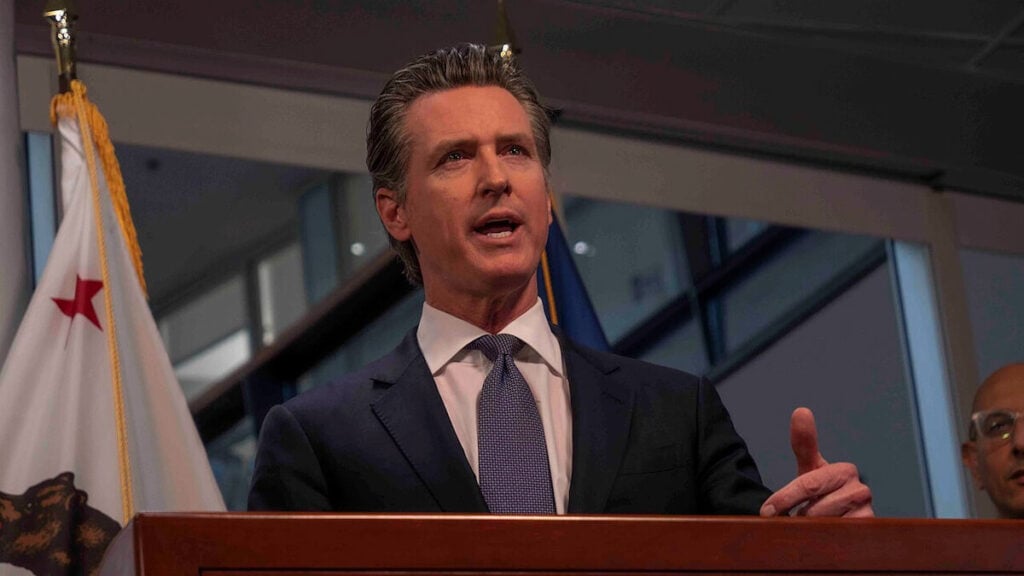
California Gov. Gavin Newsom said the state has accelerated housing construction and reduced unsheltered homelessness. He cited 682,000 units built since 2019 and a 9.5% decline in unsheltered homelessness. His remarks gained attention after the figures circulated online.
The video came from a housing event and highlighted Newsom’s claims about construction, permitting and homelessness.
Newsom said residential construction increased 59%, with 682,000 units completed since 2019. He said state entitlement times fell from 160 days to 68 days, a 57% reduction.
Newsom also said California produced more multifamily housing during five years than during the previous 30 years. He described those figures as evidence the state was “finally seeing progress.” Newsom added, “I’m proud of that.”
Turning to homelessness, Newsom said California recorded its first unsheltered homelessness decline in nearly two decades. He placed the reduction at 9.5% and said only three states reported comparable declines.
Newsom credited local mayors across California with contributing to the reported homelessness decline. He also linked the change to encampment accountability, HomeKey and resolution grants.
Newsom cited Proposition 1 and its $6.38 billion mental health bond. He said the state was finally seeing results from those efforts.
Public Reaction to Gavin Newsom Housing and Homelessness Claims
The remarks drew skepticism online, with users questioning whether the reported gains had produced visible improvements.
One user wrote, “TOO LITTLE, TOO LATE.” Another questioned, “So why haven’t rents and home prices dropped?”
A separate response stated, “Newsom cutting red tape? Really? Go ask the people still looking to rebuild their houses from the Palisades fire. They can’t even get permits!”
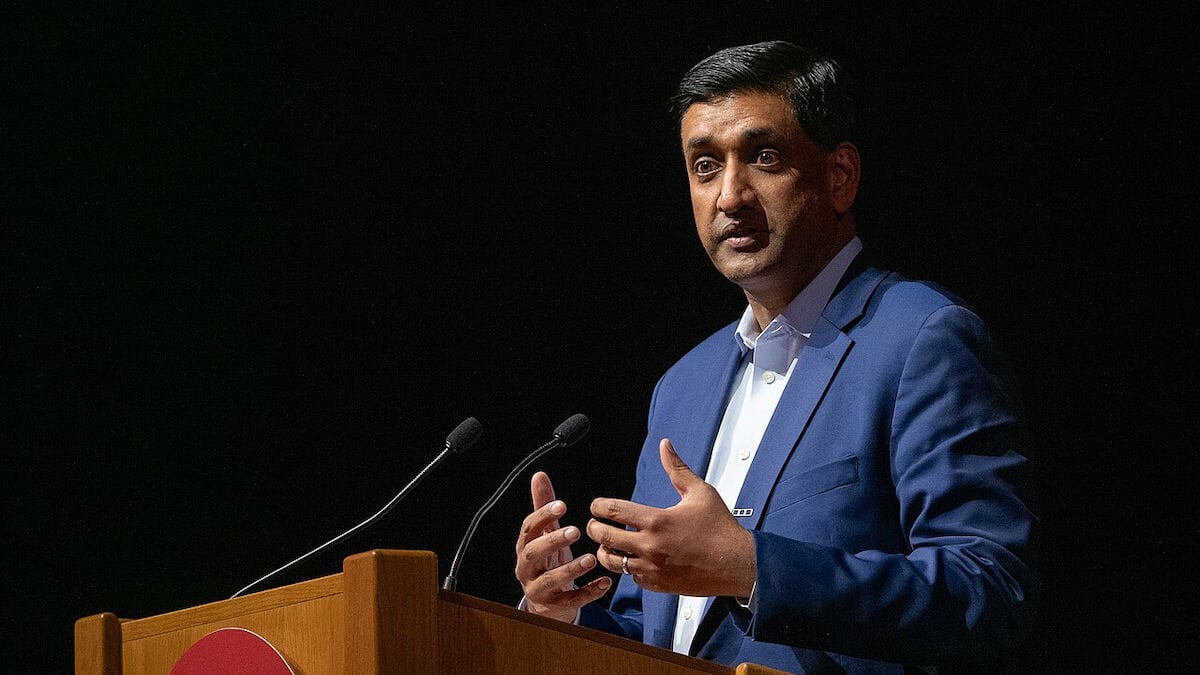
Another user demanded, “What a staged phony photo. They don’t look like construction workers. Union bosses? Give us numbers, statistics and facts that are provable and I can replicate.”
Whether California’s recent housing gains translate into lower costs, faster rebuilding, and lasting reductions in unsheltered homelessness remains a point of debate. As new housing projects continue, many will be watching to see how those efforts affect communities across the state.