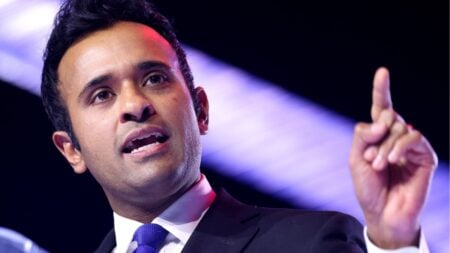
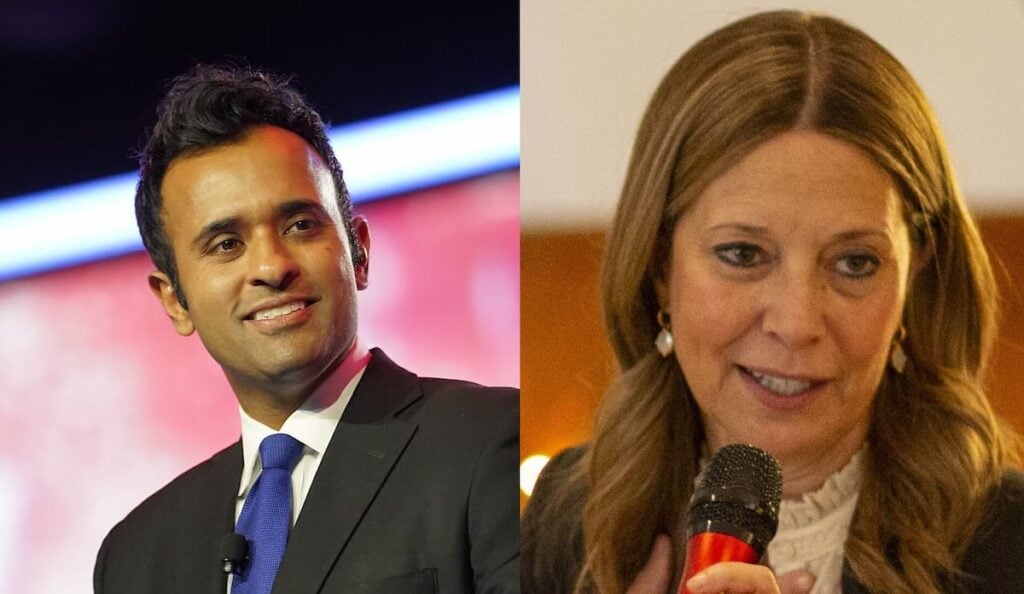
Former Ohio Governor Ted Strickland has launched a blistering attack on Vivek Ramaswamy, accusing the Republican gubernatorial candidate of running some of the most dishonest political ads he has ever witnessed.
In a strongly worded opinion piece for The Columbus Dispatch, Strickland did not hold back, claiming the campaign against Democratic candidate Dr Amy Acton had crossed far beyond ordinary political mudslinging.
He wrote that the advertisements were “among the most disgraceful and dishonest attacks I have ever seen in my life” before adding that they were “complete lies, and Ohioans deserve better.”
The former governor, who served from 2007 to 2011, defended Acton’s character and medical career, rejecting suggestions made in campaign advertising about her personal history.
Strickland said he knew Acton personally and praised her leadership during the Covid 19 pandemic alongside Republican Governor Mike DeWine. He described her as an experienced physician with more than three decades in medicine and dismissed allegations that she had struggled with alcohol or drug abuse.
He also condemned references to Acton’s childhood sexual abuse and mental health treatment, calling the attacks insulting to survivors and questioning why any candidate would use such tactics.
Strickland argued the ads reflected desperation rather than confidence, claiming Ramaswamy had spent millions without gaining the political momentum he expected.
Ohio Erupts After Strickland’s Broadside
The opinion piece quickly sparked intense discussion among Ohio residents online, with many Reddit users echoing Strickland’s criticism of the campaign.
One of the most upvoted comments claimed the candidate’s advertising focused almost entirely on attacking Acton instead of presenting policies, writing, “I’ve never seen an ad of Vivek’s saying what he will do for Ohio. He has no platform or plan. All he can do is bash Acton.”
Others compared the strategy to previous Republican campaigns in the state, arguing that negative advertising had become more effective than promoting policy proposals.
Several commenters pointed to Ramaswamy’s campaign promises involving tax changes and economic development, while others questioned whether those ideas had received much attention compared with attacks on his opponent.
COVID also remained a flashpoint. Multiple users noted that Acton served as Ohio’s health director rather than governor, with one writing that campaign ads appeared to blame her for decisions ultimately backed by DeWine. Another commenter remarked that Acton had merely encouraged mask wearing during the pandemic, describing the backlash she received as disproportionate.
Not every response focused solely on campaign tactics. Some users expressed frustration with the tone of modern politics, while others said the election could influence whether they remain in Ohio.
Strickland closed his opinion piece with a direct appeal to voters, insisting there was “only one choice for governor of Ohio” and urging residents to reject what he characterised as dishonest campaigning.
With the race heating up, the fierce exchange has ensured the battle for Ohio’s governorship is becoming increasingly personal, with online reaction suggesting emotions among voters are running just as high.