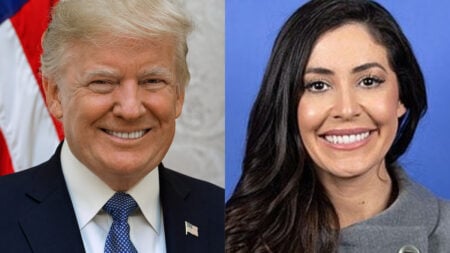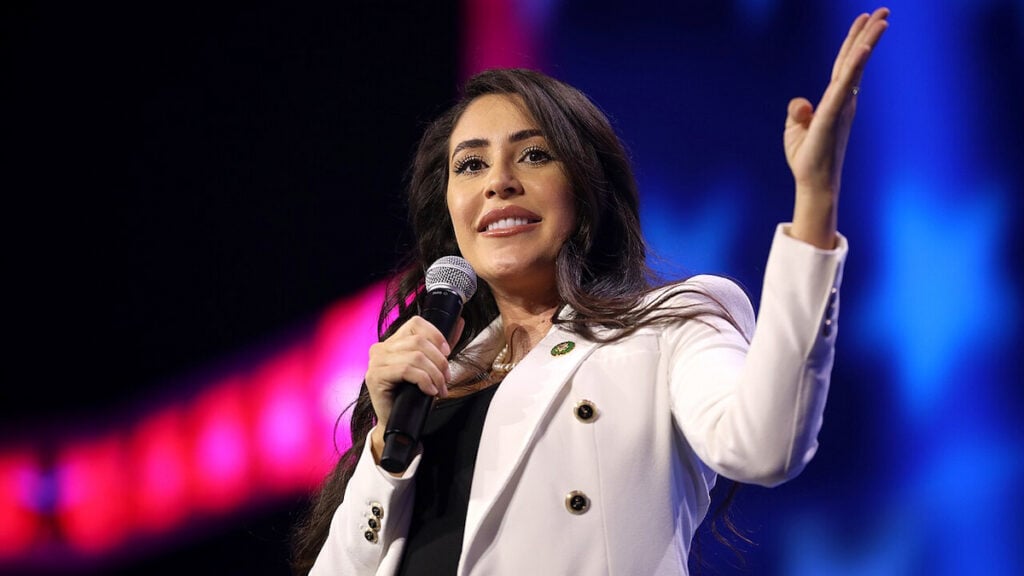
Florida Rep. Anna Paulina Luna said concerns about foreign influence online pushed her to pursue new disclosure legislation. She pointed to bot farms, foreign funding mechanisms, and influencers’ growing role as sources of political information. Luna said Congress must update its laws to account for how foreign actors can influence online political discourse.
The Florida Rep. discussed the proposal in a Politico interview and explained why she made foreign influence a legislative priority. She said she first heard about the issue through people in the right-wing influencer space. Her concerns grew after she noticed bot-farm activity online and received briefings on the issue.
Luna pointed to large account purges on X and said online conversation dynamics changed afterward. She argued that foreign countries could exploit America’s protections for free speech.
“It’s naive to think that other countries aren’t going to use that against us,” Luna said.
She also raised concerns about how foreign actors move money through different organizations. Luna described funding mechanisms that could “wash the money” before influencing political discourse.
That concern overlaps with changes in how people get political information. Luna said influencers have increasingly replaced legacy media as trusted news sources.
She specifically pointed to younger generations and their reliance on online personalities. Luna said her experience as a younger millennial helped shape her view of that shift. Congress, she argued, has been slow to keep pace. Luna said lawmakers need to account for the growing political influence of online personalities.
Luna said she raised the issue with fellow Republicans, House leadership and Democratic lawmakers, adding that those conversations ultimately convinced members of Congress that legislation was needed. “And so hence the bill,” she said.
Luna’s Foreign Propaganda Disclosure Act would amend the Foreign Agents Registration Act, or FARA, to explicitly include social media influencers under its definition of a “publicity agent.” The bipartisan proposal is intended to make foreign-backed political influence online more transparent by requiring applicable influencers working on behalf of foreign interests to disclose those relationships.
Critics Turn Foreign Influence Questions Back on Luna
The proposal also prompted users to turn questions about foreign influence and political funding back on Luna.
“She should stop taking AIPAC money first,” one user wrote. Another questioned, “So are you saying your going to give back the 27k plus that AIPAC has given you.”
A separate response widened the criticism beyond influencers: “How abt we start w/Congress – specifically her.” Another asked, “Will this include AIPAC?”
Other users supported the broader push for disclosure. One wrote, “Exposing foreign-funded grifters buying off our online commentators is long overdue. Total transparency will clean up the political influencer swamp real fast!”
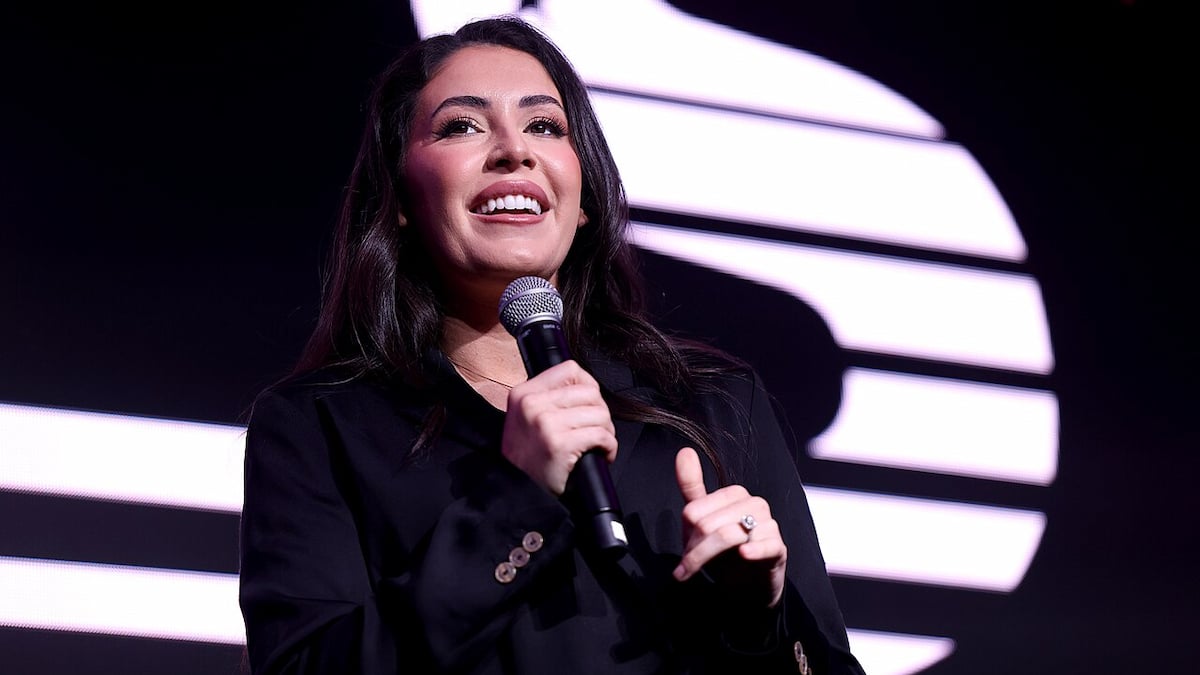
Another stated, “Yes, this is the way. Don’t censor, but do demand greater transparency.”
However, the criticism does not describe the same type of funding Luna’s bill is targeting. AIPAC is a U.S.-based lobbying organization, while Luna’s proposal focuses on disclosure requirements involving influencers acting on behalf of foreign interests. The commenters’ specific claim about how much AIPAC has contributed to Luna was not independently established in the discussion.
Luna has framed the proposal as a transparency measure rather than an attempt to restrict what influencers can say. The debate quickly expanded beyond social media personalities to questions about foreign influence throughout American politics. For now, exactly where Congress would draw that line and which relationships would trigger disclosure may be where the bigger fight begins.