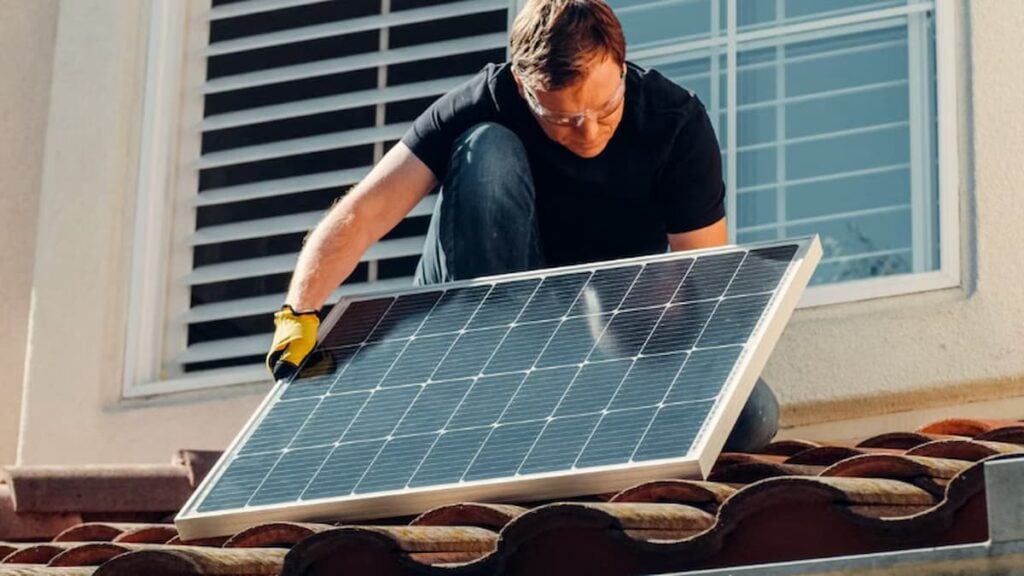
California residents struggling with high electricity bills could soon get some relief, with the state legalizing small plug-in solar systems that supporters say could save households around $400 a year. The new law opens the door for renters and homeowners to generate their own power using compact solar panels without going through the lengthy approval process typically associated with traditional rooftop systems.
According to KPBS, Gov. Gavin Newsom signed the Plug and Play Solar Act into law this week, clearing the way for Californians to use qualifying solar systems of up to 1,200 watts. Rather than requiring a traditional rooftop installation, the smaller systems can sit on balconies, patios, or other suitable spaces and plug directly into a home’s electrical system.
The change could understandably be welcome for Californians feeling the pinch from some of the country’s highest electricity costs. Supporters of the new law estimate that a small plug-in system could save a household around $400 a year on electricity, while also giving renters and people without access to a suitable rooftop a cheaper way to generate solar power.
There are still a few catches, however. The law does not take effect until January 1, 2027, and qualifying systems will need to meet a new national safety standard known as UL 3700. Depending on the equipment, some households may also need an electrician to install a special outlet, while the law itself is currently set to expire in 2030 unless lawmakers decide to extend it.
California Residents React to New Plug-In Solar Law
The change quickly caught the attention of Californians online, with many questioning why smaller solar systems faced so many hurdles in the first place. “It’s still absurd to me that the government (city, state, federal, whatever) can simply declare that it’s illegal for you to catch sunlight,” one Reddit user argued.
Others focused on whether the new systems could actually make solar more affordable. “Plug in solar makes a lot of sense for people in similar scenarios,” another person wrote. “Lower bar to entry, won’t take forever to pay off and no construction.”
For some residents, the news was enough to make them reconsider their own solar plans. “How does this work? The power goes back into your outlet and becomes available for the rest of your house to use… how?” one person asked, adding, “We are in the middle of quotes for a solar panel system and this might be an easier start.”
That’s essentially how the technology works. The panels send electricity through the home’s wiring, where it can help power appliances and other devices that would otherwise draw electricity from the grid.
California’s high electricity costs remained a sore point throughout the discussion. One frustrated commenter asked why the state couldn’t “install public co-op solar farms in the desert and lower the [expletive] rates?” Not everyone was sold on the new approach, however, with another skeptic describing it as a “colossal pain and a financial boondoggle.”
The bigger test may be whether California’s version of plug-in solar remains as cheap and simple as supporters hope. While the systems are designed to lower the barrier to going solar, the state’s safety requirements could mean some residents need an electrician before plugging one in.
For renters and homeowners priced out of traditional rooftop solar, however, the new law will soon offer another option. Californians will get their first real chance to see whether the smaller systems deliver meaningful savings when the law takes effect January 1, 2027.